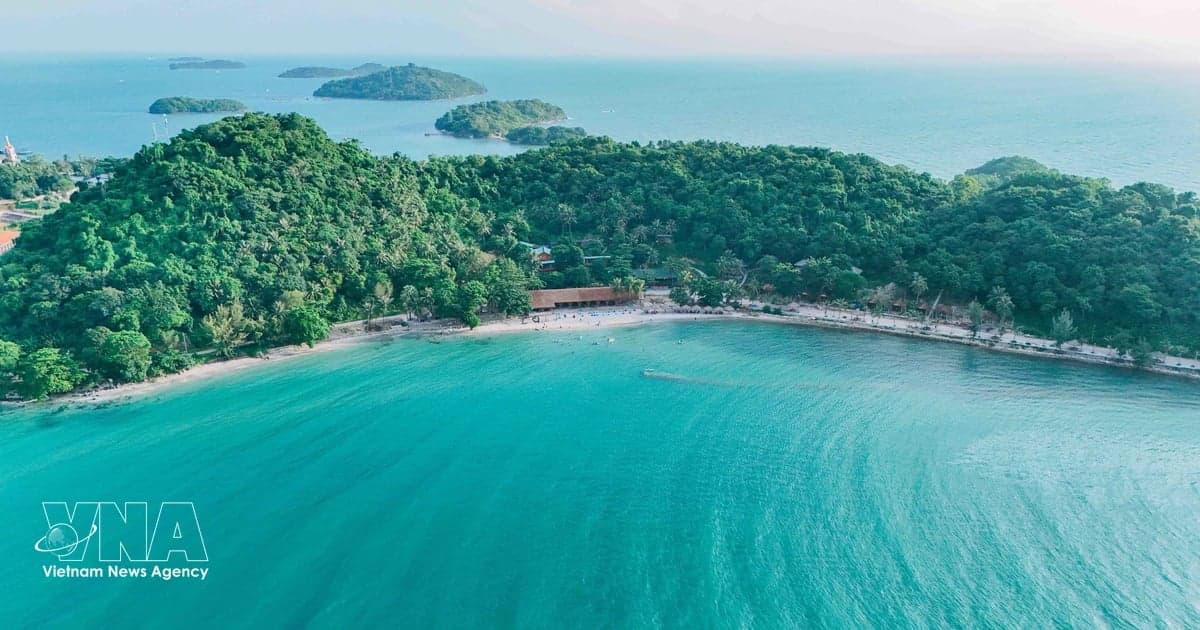
Vietnam's marine tourism sector is entering a new phase. The country wants to move beyond traditional beach holidays and build a competitive tourism economy based on experiences.
Natural attractions alone are no longer enough. The focus is on turning landscapes into distinctive experiences that encourage longer stays, higher spending and sustainable livelihoods for coastal communities.
Vietnam welcomed nearly 21.2 million international visitors in 2025, up 20.4% from the previous year. Domestic tourist arrivals reached about 137 million, while total tourism revenue was around 1 quadrillion VND, or 38.78 billion USD.
From natural advantages to competitive strengths
The World Travel & Tourism Council estimates that in 2023 marine and coastal tourism directly contributed about 1.5 trillion USD to global GDP, supported 52 million jobs and represented around half of all tourism spending.
Vietnam should assess tourism through length of stay, spending, repeat visits and the share of value retained by local communities, not only visitor numbers. Cruise tourism also has potential: about 273,900 international visitors arrived by sea in 2025, just 1.3% of total international arrivals.
Diversifying marine tourism
Vietnam can develop cruises, yachting, diving, marine wildlife observation, fishing, water sports, island trips, ecotourism, wellness services, marine cuisine, festivals, cultural activities and MICE tourism. Coastal destinations should be organised into connected experience clusters under the 2021–2030 tourism system master plan.
Northern Vietnam could link Ha Long, Cat Ba, Hai Phong, Van Don and Yen Tu. In central Vietnam, Hue, Da Nang, Hoi An, Cu Lao Cham and Ly Son could be connected through cultural, ecological and marine themes.
Marine culture as a tourism asset
Coastal communities offer fishing villages, whale-worshipping festivals, traditional fishing, shipbuilding, fish sauce production, seafood processing, pearl farming, traditional architecture, folk music and maritime stories.
Visitors could help pull fishing nets, learn to make fish sauce, prepare seafood, take basket-boat trips, eat with coastal families, restore coral reefs and plant mangroves. These activities could create additional income for coastal communities.
Priorities towards 2045
Vietnam should measure economic value per tourist, develop connected tourism clusters, invest in passenger ports and marinas, and make marine culture part of its tourism image. Digital data can help manage environmental carrying capacity.
The country should promote low-emission tourism, train workers in languages, service standards and marine culture, and involve local communities. Marine tourism should connect with transport, ports, logistics, coastal cities, culture, digital industries, science, technology and marine conservation.
By 2045, Vietnam aims to be among Asia's leading destinations for high-quality, sustainable and culturally distinctive marine tourism.
Sources: VietnamPlus / Vietnam News Agency