From July 1, 2027, owners of social housing in Vietnam will be able to sell it at market price after five years, but only to buyers who qualify for social housing. The unrestricted resale allowed under current rules will be banned.
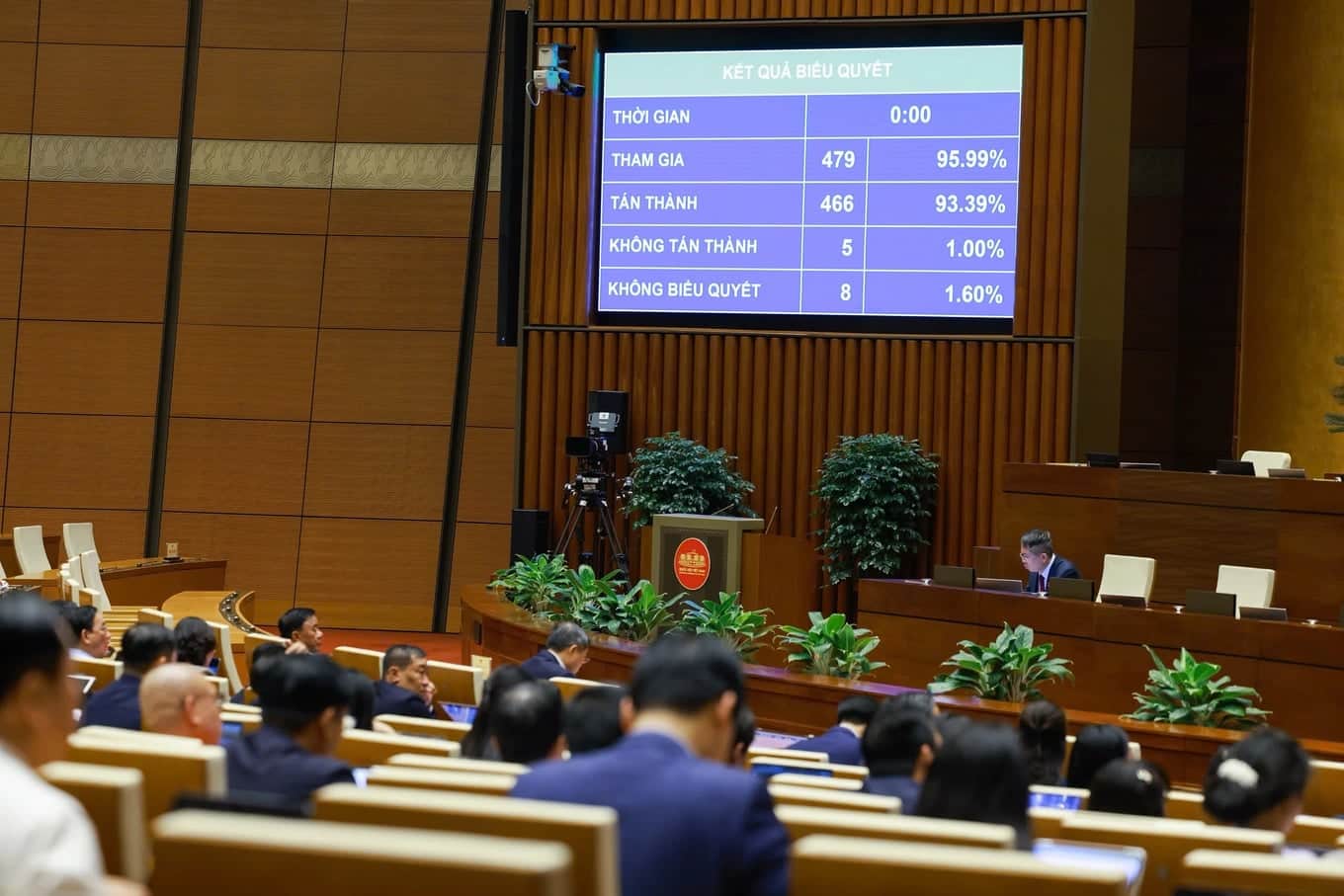
On the morning of November 21, at the second session of the 16th National Assembly, a majority of lawmakers approved amendments to the Housing Law. The law will take effect on July 1, 2027.
Resale of social housing will be restricted
Under the amendments, five years after the purchase has been paid in full, a buyer or a rent-to-own buyer may resell social housing only to a person in a category eligible for social housing. The seller must have received a certificate of ownership.
The seller will not have to pay land-use fees but will have to pay personal income tax under tax regulations.
Compared with the current law, social housing will still be resold at market price after five years. The new rule will limit the pool of buyers instead of allowing a transfer to anyone.
Eight groups are eligible to buy social housing: people who have rendered services to the revolution; poor and near-poor households; low-income people and workers at businesses or cooperatives; officers and professional military personnel; cadres, civil servants and public employees; people returning official housing; and people whose land was taken by the state for national defense, security or socio-economic development without compensation in the form of housing or residential land.
During the drafting process, some opinions called for studying a mechanism that would allow social housing to be resold to the Housing Fund before or after five years if it had demand.
The government said the Housing Fund was established to invest in and create a public rental housing fund. Allowing social housing to be sold to the fund would scatter public housing across projects alongside private ownership. This would make the public fund harder to manage and operate and would increase management costs.
The government therefore proposed allowing resale only to people eligible for social housing support.
What happens to apartment owners when a building must be demolished
Another important part of the amendments concerns the service life of apartment buildings.
The service life of an apartment and an apartment building will be determined by the service life of the construction under construction law. Ownership rights will remain protected: when the service life ends, apartment owners may meet their financial obligations to rebuild the apartment building under the rules.
When a building reaches the service life stated in its design documents, it must be inspected. Continued use will be determined under construction law. If the building is unsafe and cannot be strengthened, renovated or repaired for continued use, it must be demolished.
If the design service life has not ended but the building is damaged, has suffered a structural incident, faces a risk of collapse or is unsafe, it must be repaired to preserve the service life specified in the design.
If repairs cannot preserve that service life, the building's service life must be reassessed under the design documents for the repair and renovation.
When an apartment building is designated for demolition, owners may use the land occupied by the building to renovate or rebuild it and exercise other land-user rights under the law. The owners will contribute to the costs under the applicable rules.
Sources: Thanh Niên