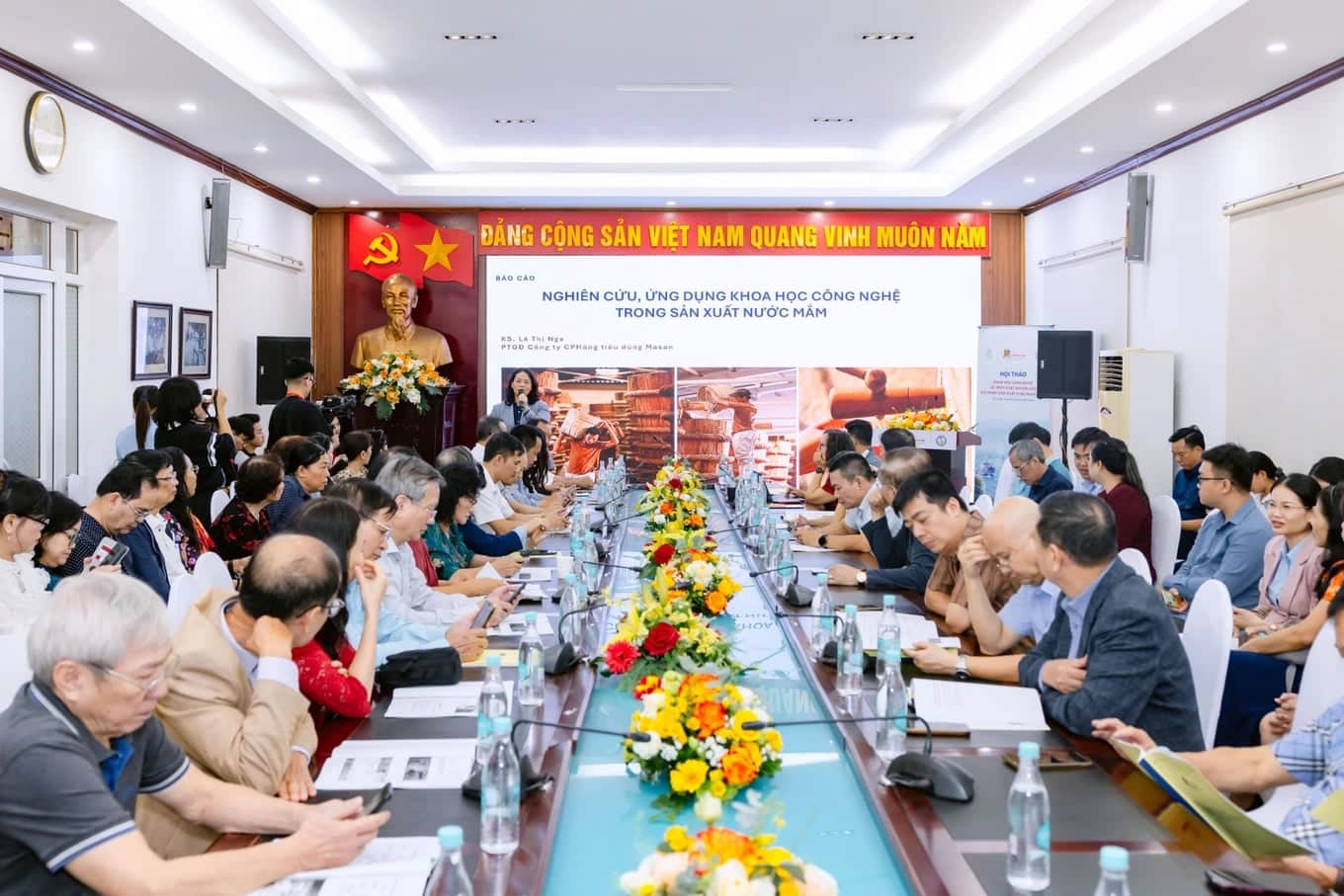
The northern province of Ninh Binh is seeking international partners to develop circular and high-tech agriculture. Established last July through the merger of Ha Nam, Nam Dinh and Ninh Binh, the province has nearly 65 per cent of its delta and semi-mountainous area in agricultural land. Production remains small-scale, with weak linkages and logistics, while output from agriculture, forestry and fisheries has yet to match the province's potential.
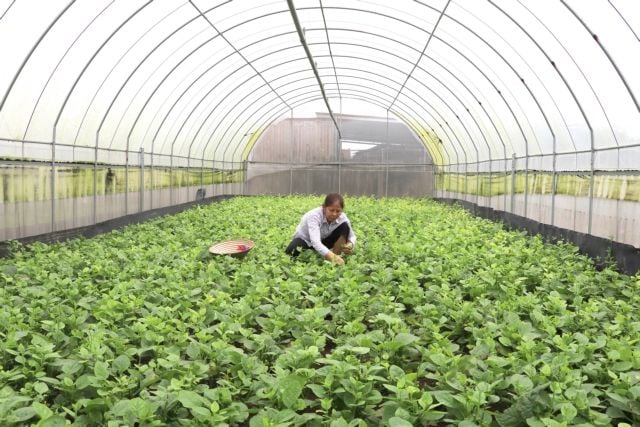
Nguyen Van Thong, deputy director of the provincial Agricultural Extension Centre, said tourism growth was encouraging Ninh Binh to promote clean, safe and green agriculture for residents and tourists, including international visitors.
Japanese soil improvement technology
Ninh Binh is working with JICA in Vietnam on a vegetable supply chain using the Tokushima soil improvement method. Launched in April 2026 and scheduled to run until February 2029, the project heat-treats river and sea sand, mixes it with soil, organic fertilisers and selected microbial strains, and covers the site with plastic sheeting.
Nazo Act director Nguyen Duc Tien said sunlight can raise soil temperatures to around 90 degrees Celsius, helping suppress harmful microorganisms and some weed seeds. One treatment takes about 30 days and can improve soil structure and fertility. It is best suited to the dry season.
The project will first trial sweet potato cultivation on two hectares in Duy Tan Ward. Preliminary assessments showed that the treatment may remove residual pests, diseases and plant protection chemicals from earlier seasons. Farmers often grow successive crops with insufficient intervals, allowing such residues to accumulate.
Thong called it the second project with JICA and Japanese partners. The province hopes for further support in high-tech, circular and low-emission agriculture, disaster risk reduction and technology transfer, including irrigation, spraying equipment, cultivation machinery and plant protection.
The Gio Song Hong cooperative plans to sell the trial sweet potatoes to major supermarket chains and directly to consumers. The first products are expected around May 2027. They will be sold under the cooperative's brand in three, five and 10-kilogramme boxes. Director Pham Van Thang noted that sweet potatoes in Japan are sold in 500-gramme to one-kilogramme bags.
Seeking investment opportunities
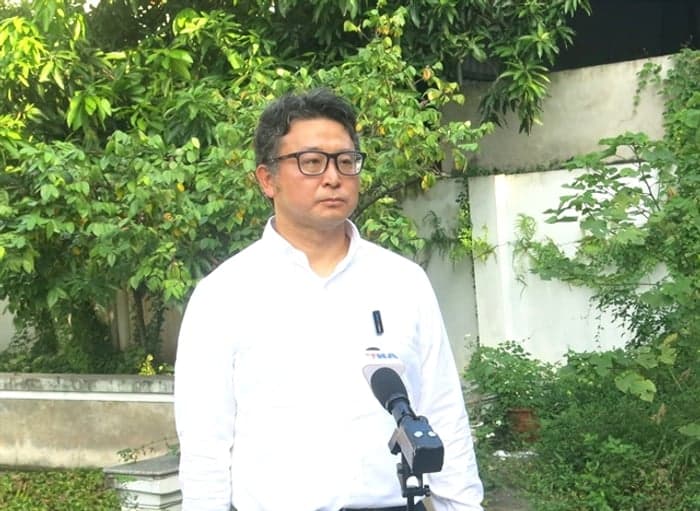
During a visit on Monday, several Japanese companies expressed interest in agricultural investment and cooperation in Ninh Binh. Aoba Kasei president Ishida Kaori said the company was seeking new raw-material sources and emerging markets, including Vietnam, as northern Japan faces declining seafood production and climate impacts. The visit also assessed production capacity, market demand and cooperation with small producers and cooperatives.

Yamabun Farm senior managing director Takauchi Koji, who previously worked at JICA Vietnam for around 10 years, wants to apply his company's technology in Vietnam. The company grows about 30ha of rice in Japan while reducing pesticide use. KIT president Kudo Tetsuya said the company was interested in wasabi production and studying Vietnamese demand. KIT produces ultra-pure water for semiconductors and wants to apply its water-treatment technology to agriculture. Wasabi is grown from young shoots in greenhouses, but importing planting material requires several inspections and registrations. The company hopes local support will simplify the procedures.
Sources: Viet Nam News