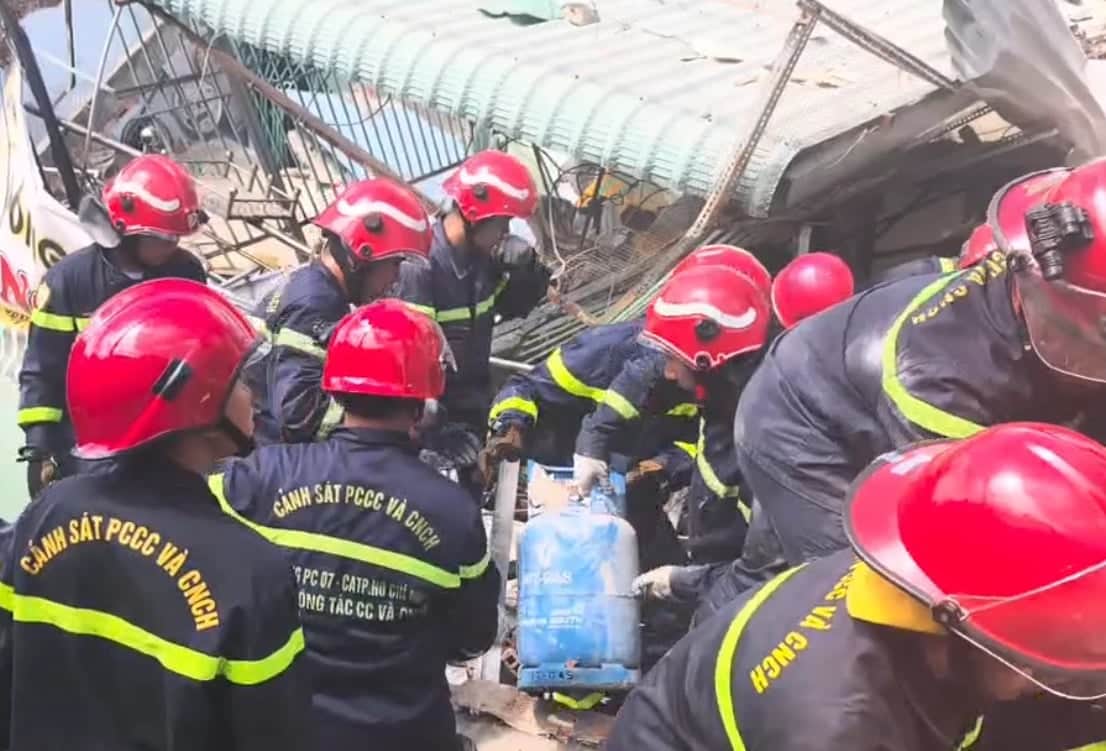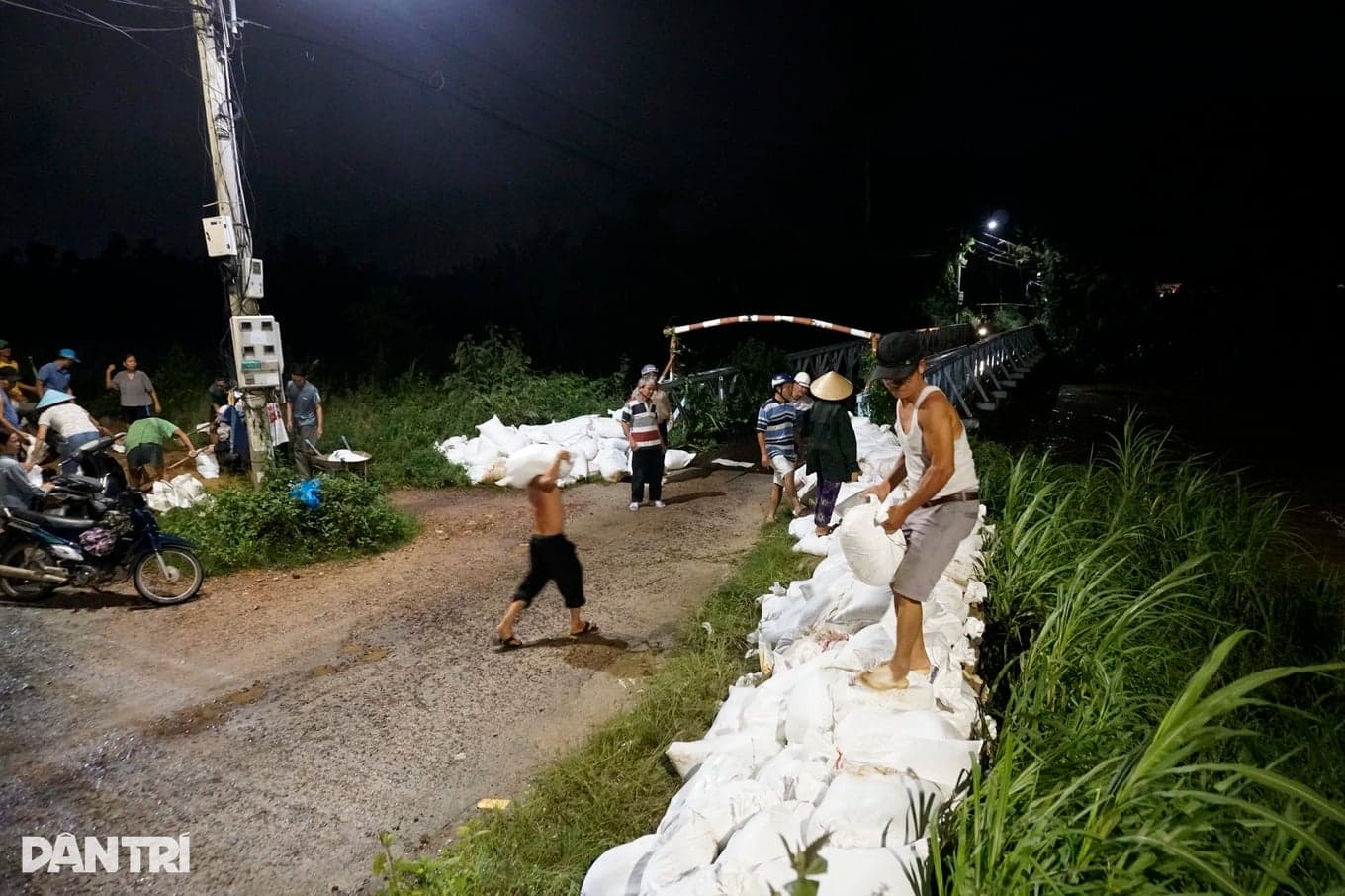
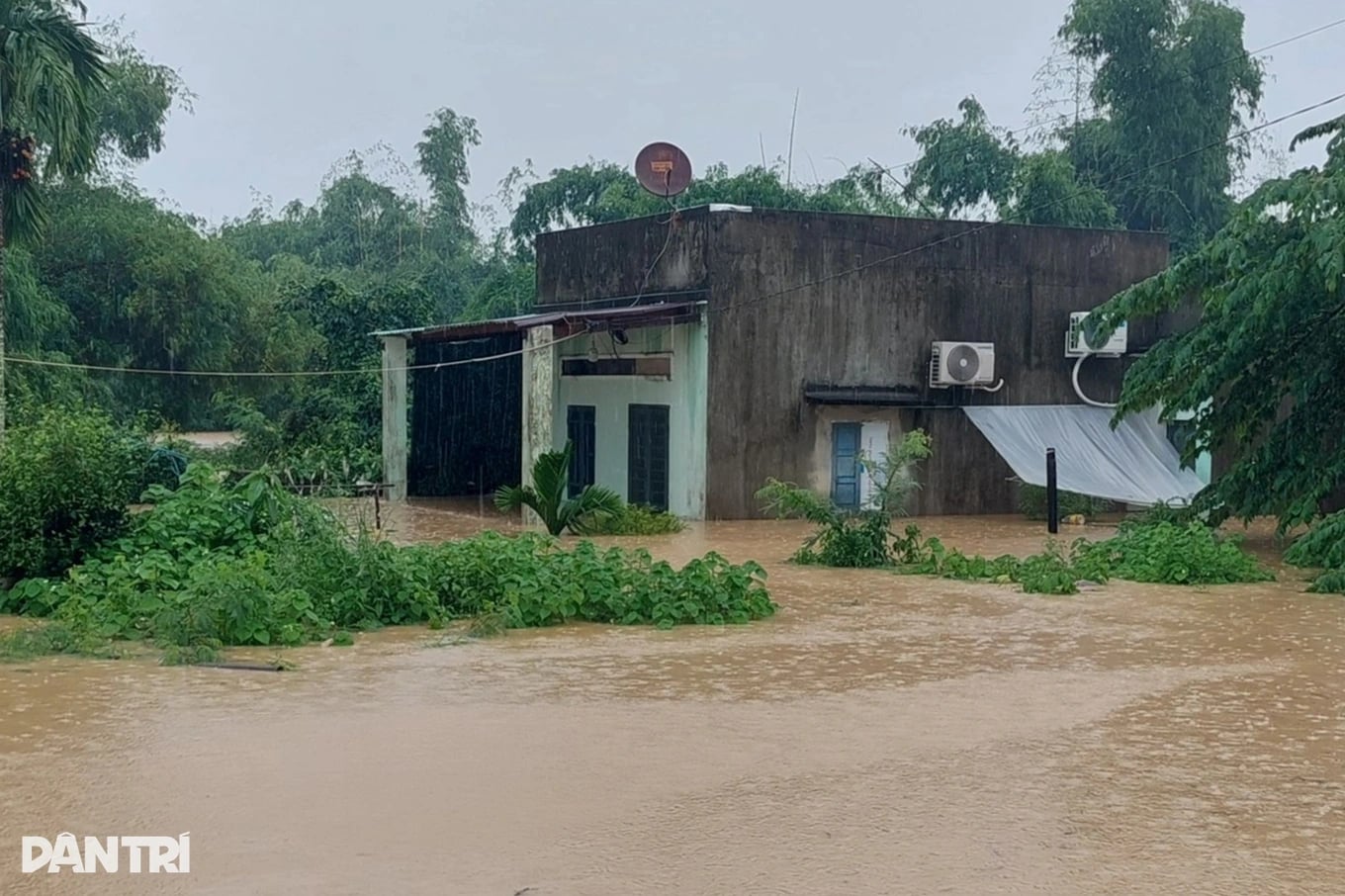
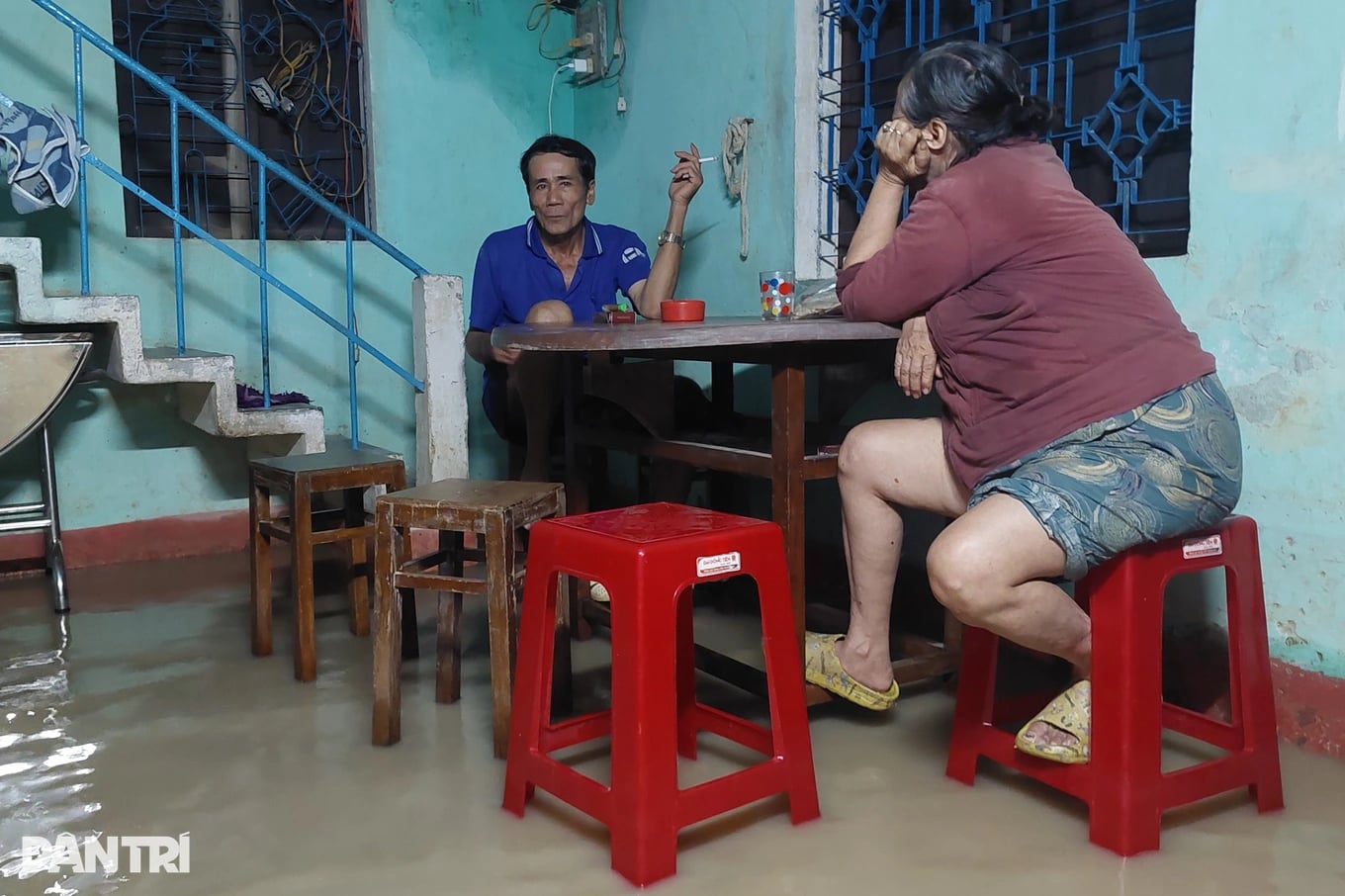
On the afternoon of November 12, Gia Lai's People's Committee held an emergency meeting with departments, services, the armed forces and local authorities. They discussed responses to heavy rain, floods, inundation, flash floods and landslides in the province.
The provincial People's Committee said weather conditions remained complicated. Heavy rain was forecast to continue in many areas, especially Van Canh Commune and the upper reaches of the Ha Thanh River.
Flooding could continue and river levels could rise, threatening deep inundation and isolation downstream, flash floods and landslides in residential areas along rivers and streams, below mountains, on slopes and along roads.
Some dikes, bridges and roads had already been damaged and could become unsafe if the rain and flooding continued.
At the meeting, Gia Lai People's Committee Chairperson Pham Anh Tuan told local authorities to follow the “four on-the-spot” principle and apply lessons from flood prevention work in 2025.
“Agencies, units and local authorities must not be negligent or complacent, even when the rain has eased or floodwaters have temporarily receded. The top priority is to put the safety of people's lives first,” Pham Anh Tuan said.
The chairpersons of commune and ward People's Committees were told to personally check every household in areas at risk of deep flooding, isolation and landslides. Local authorities must move residents to safe places immediately and must not wait for an incident.
During evacuations, authorities must pay attention to older people, people with disabilities, children, pregnant women and other vulnerable groups, and prepare enough food, drinking water, medicines and essential supplies at evacuation sites.
Emergency forces must maintain round-the-clock duty at underpasses, spillways, fast-flowing water and areas at risk of landslides. People and vehicles must be stopped from passing when conditions are unsafe.
The chairpersons of commune and ward People's Committees will be held accountable if negligence prevents timely warnings, roadblocks and evacuations in dangerous areas and causes avoidable damage.
The army, police and border guards must prepare personnel and equipment to help local authorities evacuate residents, conduct rescue operations and handle emerging situations. Relevant agencies must inspect dikes, bridges, roads and landslide sites and take measures to keep traffic safe.
After the flooding subsides, local authorities must mobilize forces to clear damage, clean the environment, repair infrastructure, restore electricity, water, schools and medical facilities, and help residents return to normal life and work.
According to a Dân trí reporter, rain had eased by the evening of November 12, but floodwater was receding slowly. Many residential areas in Quy Nhon Bac Ward remained flooded, roads were deeply submerged and difficult to use, and some areas were almost isolated.
Sources: Dân Trí