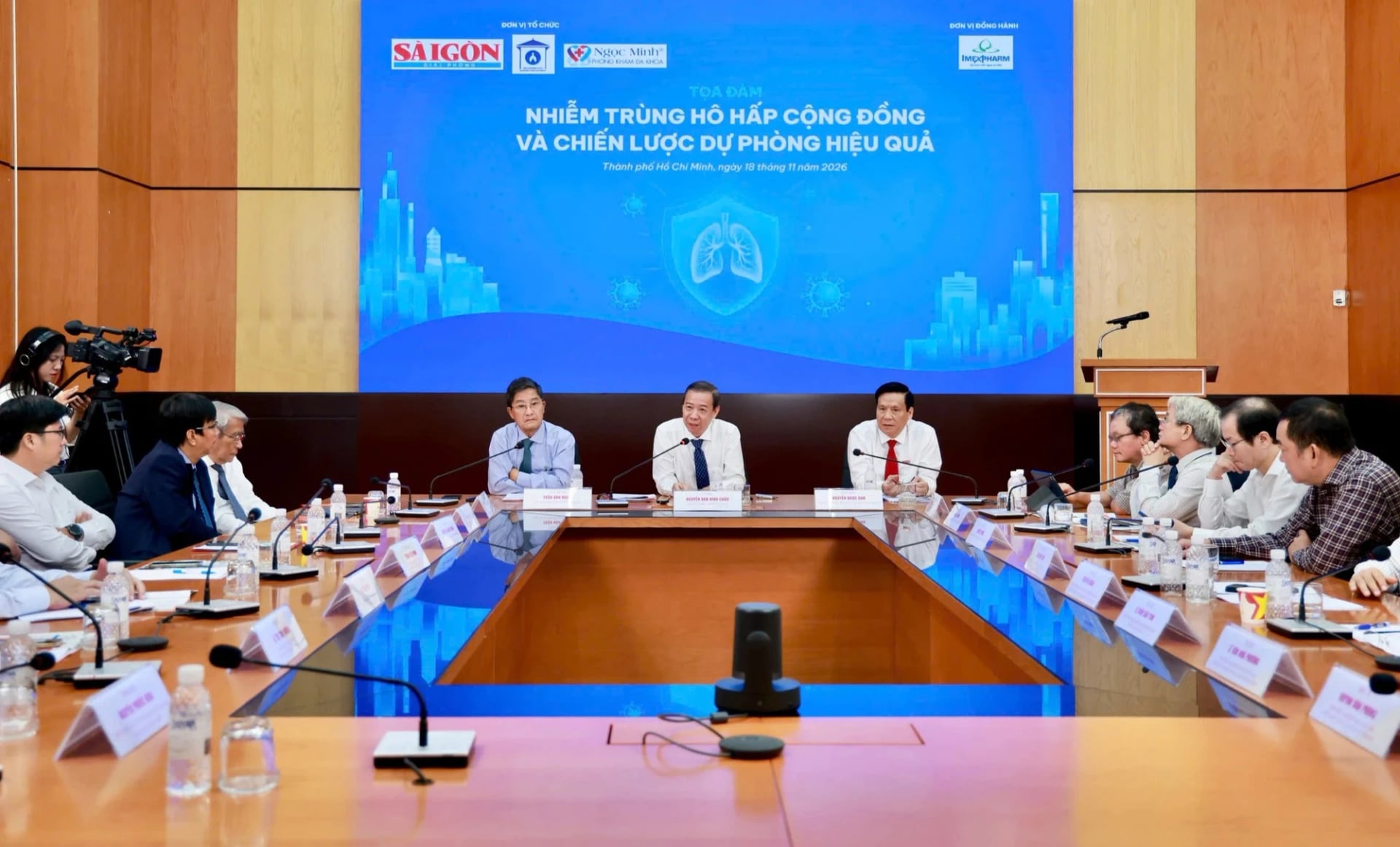
At the seminar "Community respiratory infections and effective prevention strategies", organized by Sai Gon Giai Phong newspaper on November 18, Tran Van Ngoc, chairman of the Ho Chi Minh City Respiratory Society, said people had begun to underestimate influenza after the Covid-19 pandemic.
Severe influenza treatment can cost billions of dong
Tran Van Ngoc said that after the Covid-19 pandemic, people had become too complacent about influenza and prevention. Influenza is not always a mild illness. It can cause severe complications and raise the risk of hospitalization and death, especially among older people and those with underlying conditions.
Influenza may affect 10% to 20% of the world's population each year. The estimated number of influenza-related hospitalizations and deaths worldwide is about 290,000 to 650,000 cases annually.
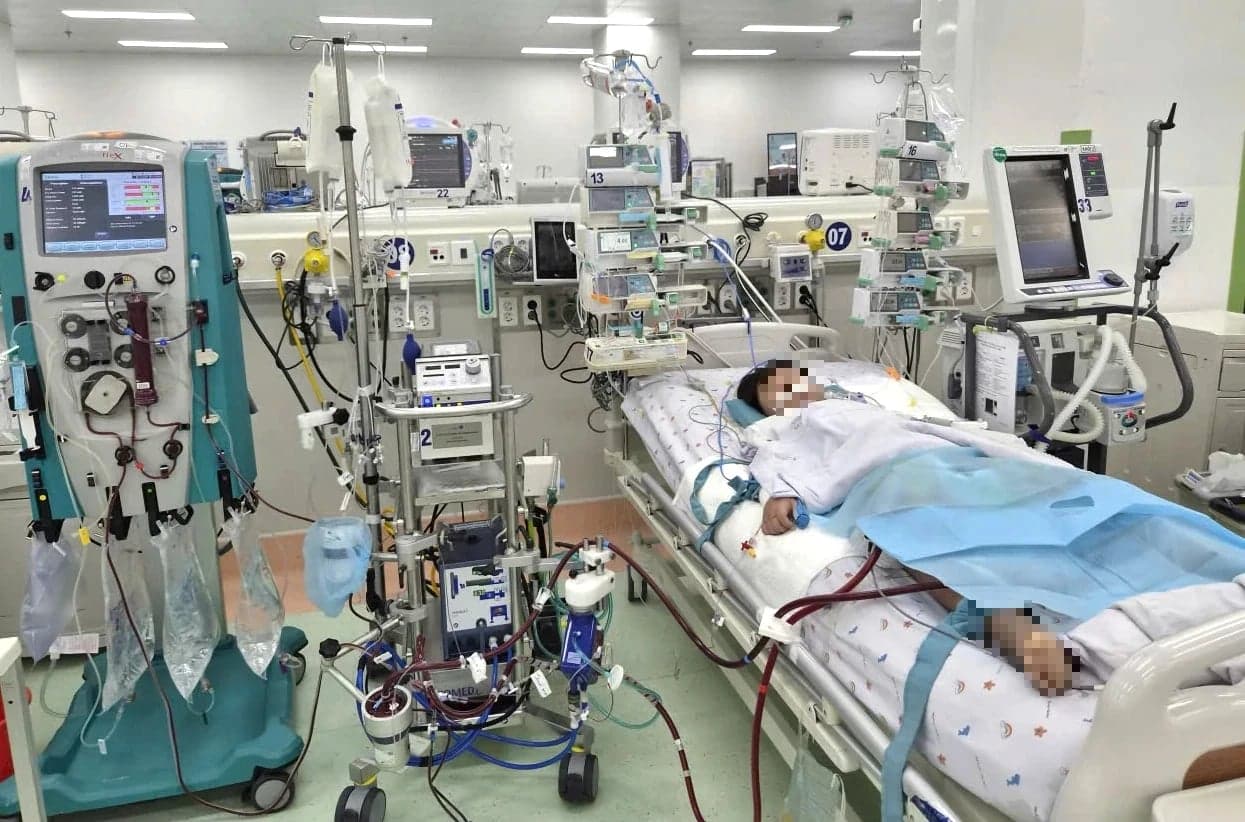
The disease is particularly dangerous for people with chronic obstructive pulmonary disease (COPD) and other chronic conditions. An influenza episode can increase the risk of COPD exacerbation, hospitalization, death and high treatment costs. A study cited by the specialist found that inpatient treatment for a patient with an acute COPD exacerbation can cost an average of up to VND 200 million, while some cases cost billions of dong.
Respiratory syncytial virus (RSV) also requires attention, especially among older people and those with underlying conditions. The risk of hospitalization and death from RSV rises in these groups, particularly with age. COPD, heart and kidney disease, diabetes, liver disease and a history of stroke all increase the risk of complications.
Risk of community-acquired pneumonia is rising
Tran Van Ngoc also said respiratory infections are among infectious diseases with high mortality and drug resistance rates. In 2022, the world recorded nearly 14 million deaths linked to infections. Almost half were associated with bacteria, and about 30% with respiratory infections.
In Vietnam, Streptococcus pneumoniae and Haemophilus influenzae account for more than 60% of the pathogens causing community-acquired respiratory infections. Pneumococcus can also cause sepsis, meningitis and other serious complications.
Multidrug-resistant bacteria commonly found in hospitals, including Klebsiella, Pseudomonas and Acinetobacter, are also appearing in the community. More than 42% of hospitalized community-acquired pneumonia patients have infections involving multidrug-resistant bacteria. The proportion exceeds 50% among patients with COPD.
Cao Xuan Minh, general director of the Ngoc Minh polyclinic system in Ho Chi Minh City, said respiratory infections are becoming a serious threat to older people as Vietnam's population ages rapidly, especially those living with several chronic conditions. Aging weakens immune protection, the defenses of the airways, respiratory muscles and lung function. Older people therefore become ill more easily, are more likely to develop severe disease and face a higher risk of complications and death.
Self-medication with antibiotics raises resistance risks
Tran Van Ngoc drew attention to the habit of buying medicines without medical advice. Before visiting a health facility, many patients take antibiotics, anti-inflammatory medicines and symptom-relief drugs.
Most upper respiratory infections caused by viruses, including influenza, Covid-19 and RSV, do not require antibiotics. Incorrect use of these medicines creates conditions for drug-resistant bacteria to develop and makes treatment more difficult.
Pham Hung Van, chairman of the Ho Chi Minh City Society of Clinical Microbiology, said pneumococcus and Haemophilus influenzae have already shown reduced sensitivity to several antibiotics. He said the solution is early detection of the pathogen and resistance genes through multiplex molecular testing. Results can be available in more than 3 hours, helping doctors choose appropriate treatment and limit unnecessary antibiotic use.
Sources: Thanh Niên