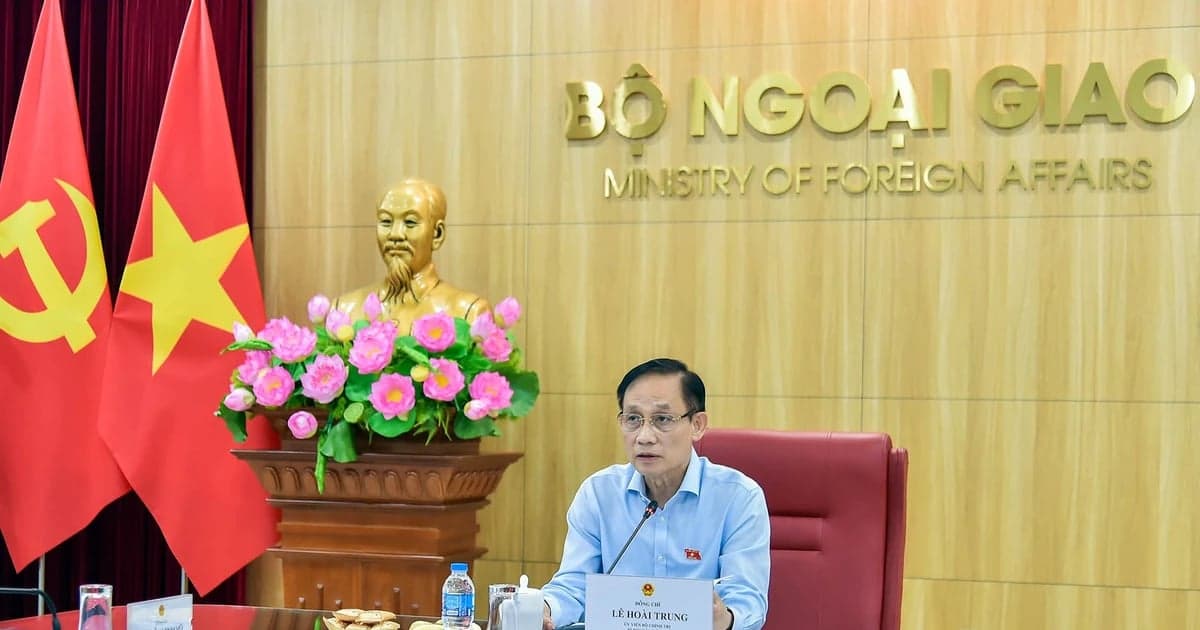
To Lam's November 8-11 visit to Japan set a new direction for bilateral cooperation and opened opportunities for joint projects in areas where both countries have strengths and needs. Minister of Foreign Affairs Le Hoai Trung said this in an interview about the visit.
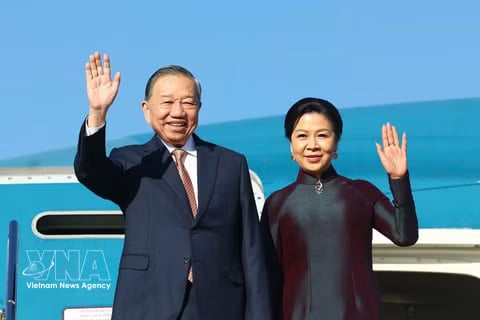
It was the Vietnamese leader's first visit to Japan as both General Secretary of the CPV Central Committee and President, and the first visit by a CPV General Secretary in 11 years. Japan's Imperial Family, Government and Diet gave To Lam, his spouse and the Vietnamese delegation a solemn and warm welcome.
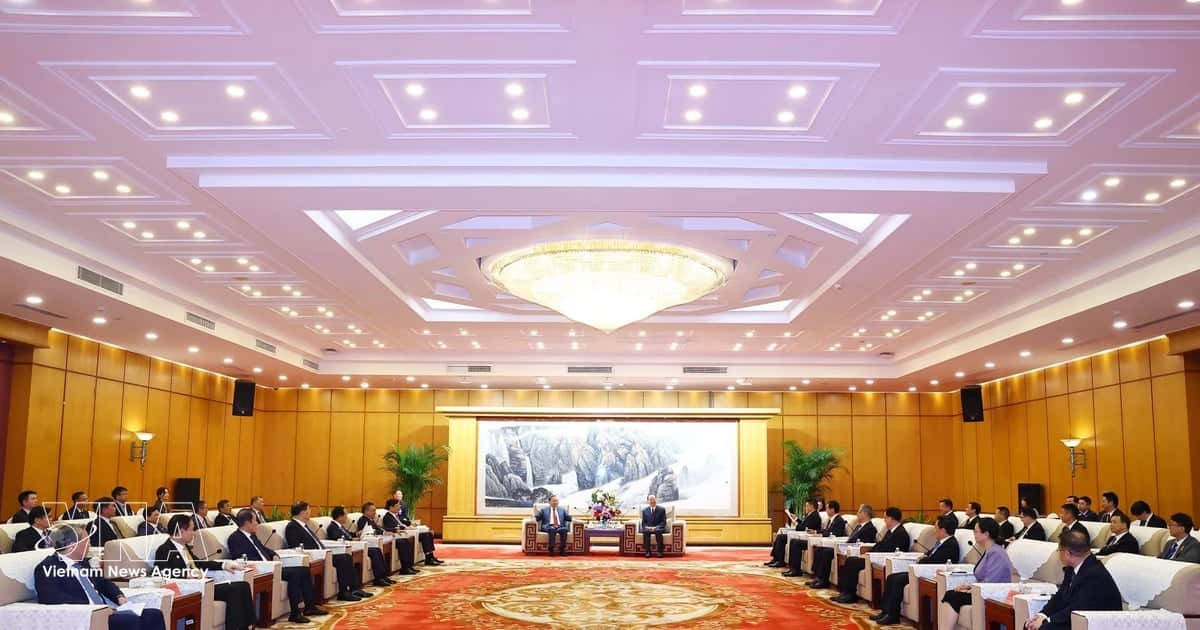
During the visit, To Lam held meetings and talks with Japan's top leaders, political party leaders and prominent politicians. He also met business executives, research institutes, universities, and representatives of Japanese friendship and people-to-people organisations.
The two sides reached broad agreement on important issues, reflected in the Viet Nam-Japan Joint Vision Statement on bilateral relations in the coming period. The countries are moving into a new phase as partners advancing together and co-creating for mutual benefit, high-quality growth, strategic autonomy and resilience.
The statement sets out priority areas for cooperation: science and technology, innovation, education and training, human resource development, production and supply chain links, finance, investment and development assistance.
The two sides also specified cooperation frameworks in finance, investment, energy, digital transformation, semiconductors and other fields to meet the development needs of both countries in the years ahead.
The two sides signed 11 agreements between ministries, sectors and localities, while businesses concluded around 60 cooperation arrangements. The documents provide a basis for work in fields where both countries have strengths and needs.
Trung said the visit strengthened bilateral and multilateral ties, mutual understanding and cooperation. He said it was consistent with the development strategies of both countries and served their peoples' interests, while contributing to peace, stability, cooperation and development in the region and the world.
The results also advanced cooperation through Party, State, parliamentary and people-to-people channels and helped create a favourable external environment for Vietnam's development. The minister described the main result as a new course for cooperation, new opportunities in priority areas and momentum to turn commitments into deeper and more effective work.
The first priority is to implement the orientations in the Joint Vision Statement. Vietnam and Japan can work together on research and development, production and sourcing, allowing them to take part more deeply in regional and global supply chains.
Both sides should use Party, State, parliamentary and people-to-people contacts to strengthen political trust and mutual understanding and make bilateral ties deeper and more effective.
Vietnamese and Japanese ministries, sectors, localities, agencies and businesses should turn the visit's results into programmes, plans and projects with clear objectives, roadmaps and responsibilities. They should also strengthen periodic reviews, follow-up and monitoring to speed up implementation and address difficulties.
The two countries should coordinate more closely at regional and international forums, especially the United Nations, APEC, ASEAN, the Mekong subregion and other multilateral platforms. This would promote multilateralism, dialogue, confidence-building and respect for international law, while supporting peace, stability, cooperation and development, the minister said.
Sources: VietnamPlus / Vietnam News Agency