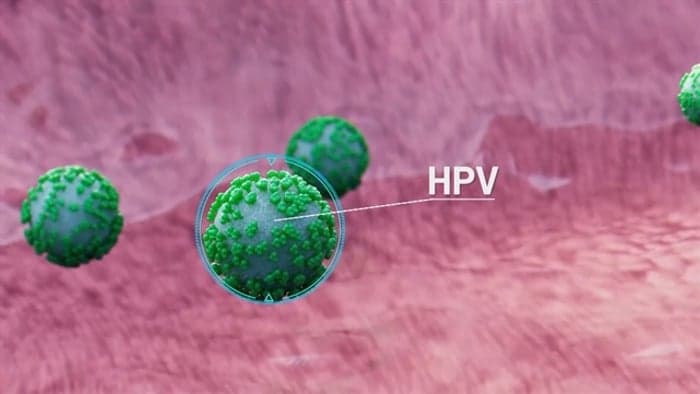
HPV is a common virus that can affect the health of both women and men. Most HPV infections are asymptomatic and clear naturally. However, persistent infection with certain high-risk HPV types can lead to precancerous lesions and several types of cancer, including cervical, anal, vulvar, vaginal, and penile cancers, as well as certain other cancers. Some HPV types can also cause genital warts. Among HPV-related cancers, cervical cancer represents a significant disease burden, although it is not the only one. In Vietnam, according to GLOBOCAN data, an estimated 8,274 women were newly diagnosed with cervical cancer in 2024, while 4,110 deaths were attributed to the disease. Meanwhile, cervical cancer screening coverage among women remains below the level needed, with a rate of 28.2 per cent reported in documents supporting the implementation of the National Action Plan.
Accordingly, preventing HPV-related diseases and cancers should be viewed as a long-term effort that combines raising awareness, expanding access to vaccination, screening and early detection, and timely treatment of precancerous lesions, cervical cancer, and other related conditions. Evidence-based interventions that fit Vietnam's healthcare context and policy framework can help reduce the disease burden and advance the goal of eliminating cervical cancer in the future. This direction is increasingly reflected in Vietnam's healthcare policies. The National Action Plan for the Prevention and Control of Breast and Cervical Cancers for 2026–2035, issued by the Ministry of Health under Decision No. 358/QĐ-BYT, identifies improving the effectiveness of prevention, early detection, diagnosis, and treatment as key priorities. The plan also highlights the importance of communication, awareness-raising, and varied communication approaches to reach different population groups more effectively.
Vaccination is one of the important preventive measures in efforts to strengthen the prevention of HPV-related diseases. In Vietnam, HPV vaccines are currently approved with either a two-dose or three-dose schedule, depending on age and eligible population, in accordance with the approved prescribing information. A notable development in preventive healthcare policy is the inclusion of HPV vaccination in the Expanded Programme on Immunisation. Implementation is planned from 2026 under Resolution No. 104/NQ-CP. According to the roadmap, the programme is expected initially to target 11-year-old girls in selected disadvantaged areas across four provinces: Tuyen Quang, Quang Ngai, Dak Lak and Vinh Long. Alongside these policy developments, research into HPV prevention continues. Research into different vaccination schedules has received increasing attention in recent years.
Questions remain that require further study, including the durability of protection and effectiveness across different populations and HPV-related diseases. New scientific findings are expanding the evidence base and providing countries with additional information when developing vaccination policies, taking into account their epidemiological profiles, healthcare resources and regulatory frameworks. The success of HPV immunisation programmes depends on more than vaccine schedules. Achieving high coverage and effective implementation also requires planning, clear communication, public confidence and immunisation delivery models that respond to local conditions. For scientific advances and healthcare policies to bring tangible health benefits, public awareness is essential. People need access to accurate, easy-to-understand information about HPV, its associated health risks and appropriate preventive measures. When scientific evidence, healthcare policies, communication efforts and preventive interventions are effectively integrated, Vietnam will be better positioned to reduce the burden of cervical cancer and advance its goal of protecting public health over the long term.
Sources: Viet Nam News