Hanoi. Vietnam is seeking more high-quality foreign direct investment amid changes in global production and supply chains.
The Ministry of Finance's National Statistics Office said Vietnam attracted 54.85 billion USD in registered FDI in the first 10 months of this year, up 74% year-on-year. The goal is to attract projects that bring wider benefits to the domestic economy.
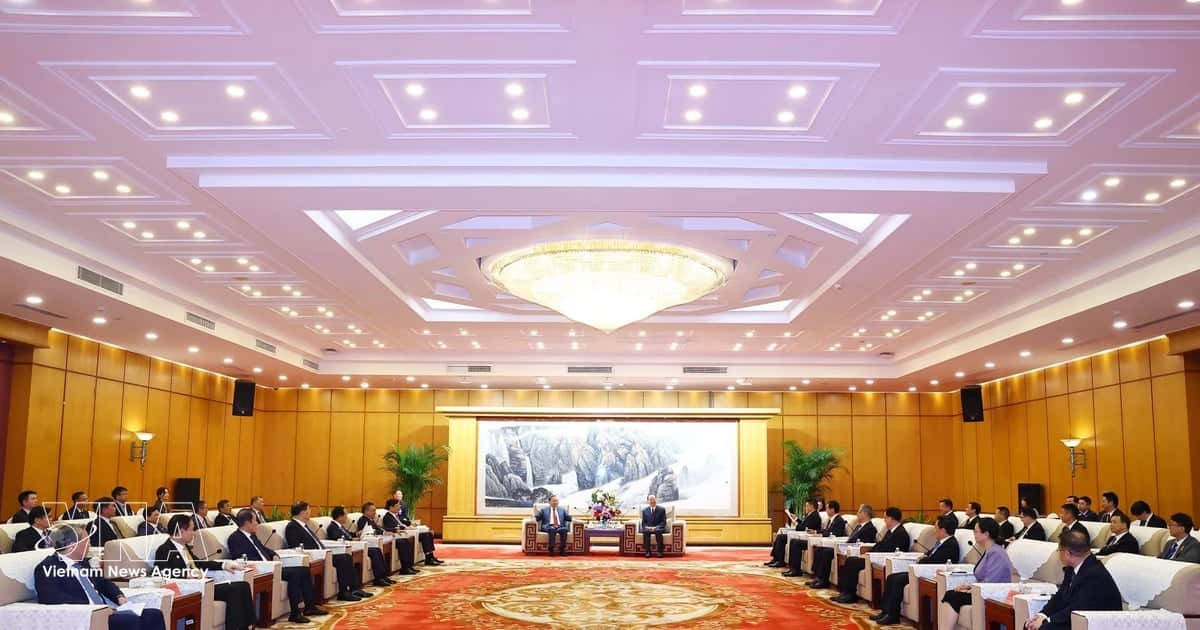
The Bac Ninh Industrial Forum 2026 discussed investment quality and local firms' ability to join global supply chains. Low labour costs and preferential policies are no longer enough; investors also consider infrastructure, workforce quality and suppliers. A 2025 JETRO survey found local procurement by Japanese manufacturers at 38.1%, with Vietnamese firms accounting for 18.3%, while 58.9% of Japanese businesses could not find capable local manufacturers.
Vuong Thi Minh Hieu, Deputy Director of the Foreign Investment Agency, called for a shift from investment scale to FDI quality and efficiency. Priority should go to electronics, semiconductors, supporting industries, high technology and R&D. Projects should be judged by domestic links, technology transfer and added value.
This follows Politburo Resolution No. 10-NQ/TW dated June 8, 2026, which prioritises advanced technology, modern management, environmental protection and domestic economic links.
Strengthening domestic enterprises' capacity
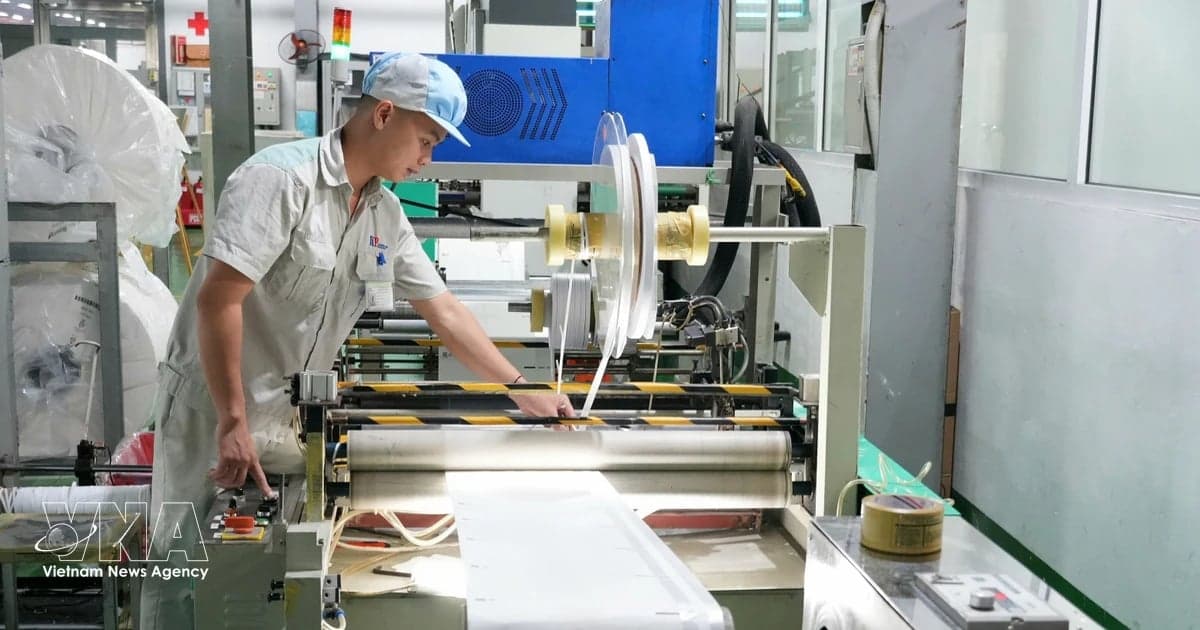
Bac Ninh will prioritise electronics, semiconductors, mechanical engineering, automation and high-value supporting industries, aiming for at least 700 firms in these sectors by 2030. SMEs need capital, equipment, quality systems and help becoming suppliers.
Decree No. 205/2025/ND-CP, amending Decree No. 111/2015/ND-CP, provides support of up to 70% for some activities involving business links, management, supplier development and digital transformation. Matchmaking should help firms secure orders and continue until they enter supply chains.
High-tech industries require skilled workers, so training institutions should work with businesses on automation, maintenance and quality control, while expanding retraining and digital skills. Infrastructure should connect FDI firms with suppliers, training institutions and research organisations, and improve utilities, waste treatment, transport and logistics.
Sources: VietnamPlus / Vietnam News Agency