Switching to electric transport is not mandatory in Vietnam, but the price of a new motorbike remains a barrier for many workers.
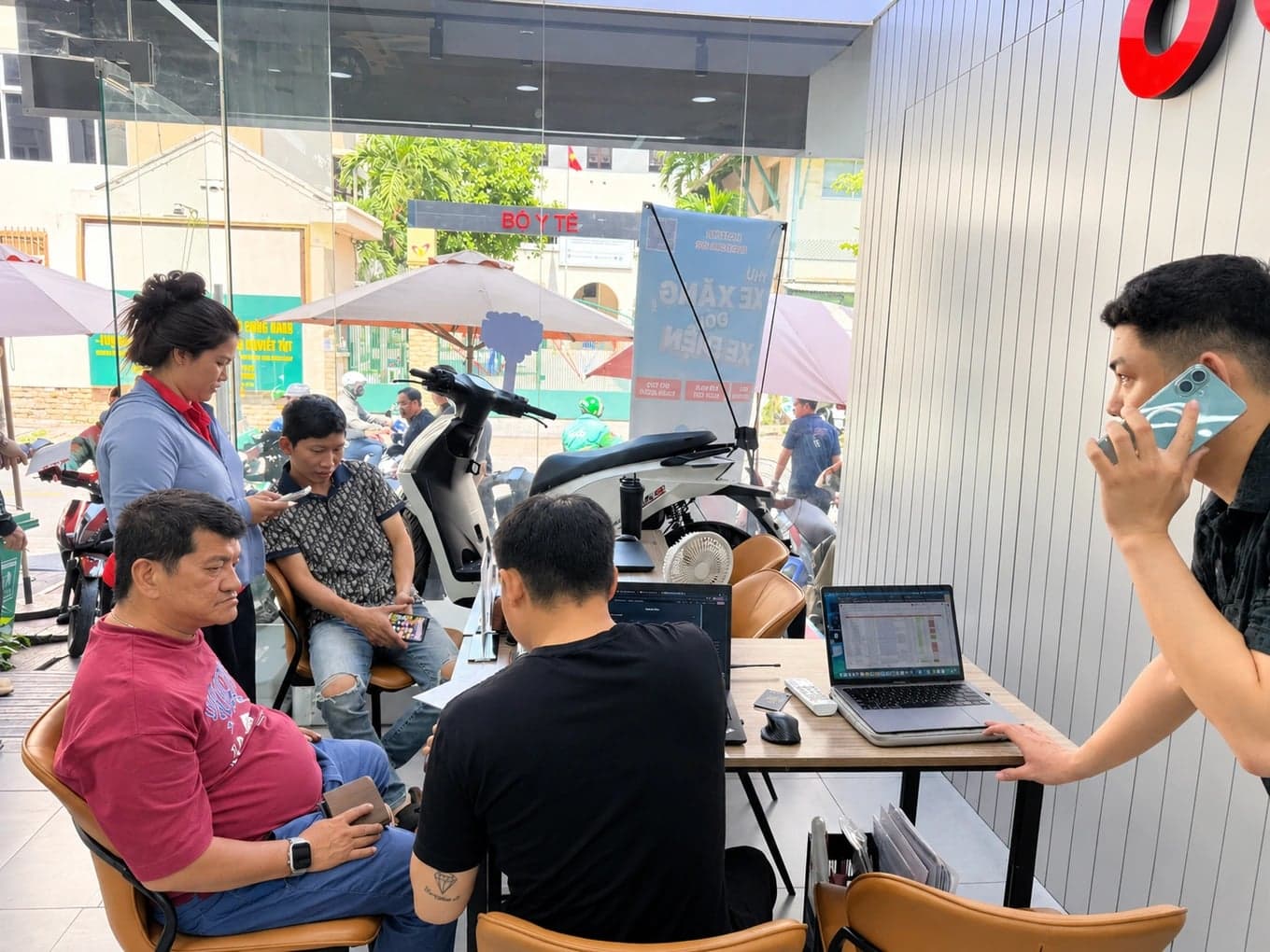
Ho Chi Minh City resident Truong Thanh replaced his 2016 Honda Vision with an electric motorbike listed at about 22.4 million dong. An exchange programme valued his old motorbike at 15 million dong and added 2 million dong in battery support, leaving him to pay several million dong.
An electric motorbike can cost several months of income
Average worker income in the first nine months of 2026 was about 9.1 million dong per month, according to the Statistics Office under the Ministry of Finance. The figures were 7.8 million for women, 8 million in rural areas and 10.7 million in urban areas. A cargo-capable electric motorbike costing over 20 million dong requires more than two months of average income; a 46-million-dong model requires more than five.
The calculation excludes rent, food, education and other essential expenses. A worker earning 9.1 million dong who saves 10%, or 910,000 dong a month, would need about 22 months to accumulate 20 million dong and more than four years for a 46-million-dong motorbike.
Some delivery drivers say older petrol motorbikes may sell for only 2–3 million dong. Exchange programmes can lower the initial cost, but support depends on the vehicle and programme conditions.
Drivers report lower operating costs
Ho Chi Minh City technology driver Mai Vuong Tuan Phat said he used to spend about 60,000 dong a day on petrol. Charging costs around 15,000 dong, and his total with coffee at the station is about 30,000 dong. The difference is around 45,000 dong a day, or 13.5 million dong over 300 working days, before purchase, wear and downtime.

Drivers also consider downtime. A 56-year-old driver, Hai, uses a battery-swapping model and checks nearby stations and available batteries in the company app. He said swapping is more convenient than waiting for a long charge.
Charging infrastructure and purchase support
Renters and people in crowded areas may struggle to find charging points. Transport association deputy chairman Le Trung Tinh estimated that Vietnam has roughly one charging station for every ten petrol stations and suggested points about 5–7 km apart.
Nguyen Tat Thanh University lecturer Huynh Thanh Dien said buyers with limited funds could receive support of about 2–3 million dong per motorbike. He also called for stricter emissions checks on older vehicles and for charging points at existing petrol stations to be studied after safety checks. Transport companies could include emissions reductions and carbon-credit mechanisms in their transition plans.
Sources: Dân Trí