At a National Assembly session on November 12, Vietnamese lawmakers discussed cases in which winning bidders do not carry out construction directly but pass the work through several intermediary levels. Participants said this can increase costs, delay payments and affect the timelines of public investment projects.
Projects pass through several levels
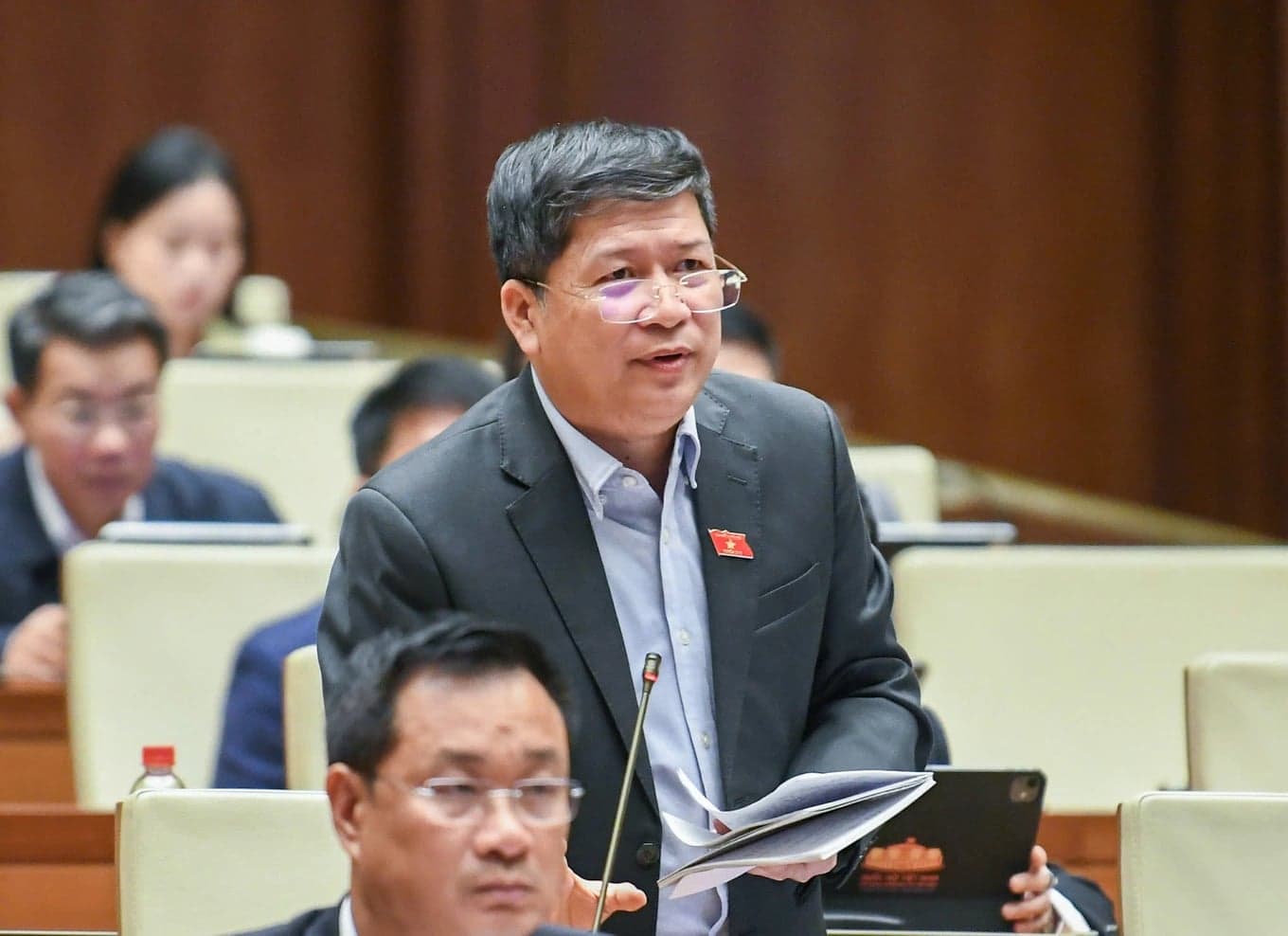
Lawmakers Ta Van Ha said one issue in current public investment projects is that contractors win bids but do not organize construction directly, instead passing the work on to other companies.
He said a parent group or corporation may win a project and then assign it to a subsidiary. The subsidiary passes it to an enterprise or construction unit, and the project may then move through several more intermediary levels before reaching the contractor that performs the work.
At each intermediary level, part of the management costs and profit is retained. The amounts accumulate, increasing the burden on the company carrying out the construction directly. That contractor also has to deal with changes in material and labor costs and other expenses arising during the project.
Ta Van Ha said the arrangement can lead to higher project costs, the use of funds by intermediaries, delayed payments to the construction unit and outstanding debt.
Finance Minister Ngo Van Tuan said the project investor bears primary responsibility. After organizing the bidding process and signing the contract, the investor must closely monitor the work and ensure that the contractor follows the agreed terms. Ministries, agencies, local authorities and other competent bodies must also strengthen oversight, he said.
Construction minister vows to stop the practice
Construction Minister Tran Hong Minh also addressed the issue. He said public investment disbursement had reached about 74% by the end of October, a fairly good result compared with the same period last year. Some localities, however, were still disbursing public investment funds slowly.
The minister cited land clearance, price fluctuations, shortages of materials and labor as objective causes. Some construction units had recently been forced to use subcontractors because of labor shortages. Delays in publishing price indexes in some localities and weather conditions also affected project progress. Subjective causes included project management, organization and the ability of investors to run projects.
Regarding the selection of subcontractors, Tran Hong Minh said some localities had already raised bidding-related issues with the ministry.
According to the minister, some contractors are currently forming joint ventures or partnerships to meet the conditions for participating in a project tender. This has created several problems.
Some members of these joint ventures have won several projects even though their actual capacity is insufficient. This has led to the practice of passing on contracts, in which a winning bidder gives the work to smaller contractors. "We see this as a very difficult issue," Tran Hong Minh said.
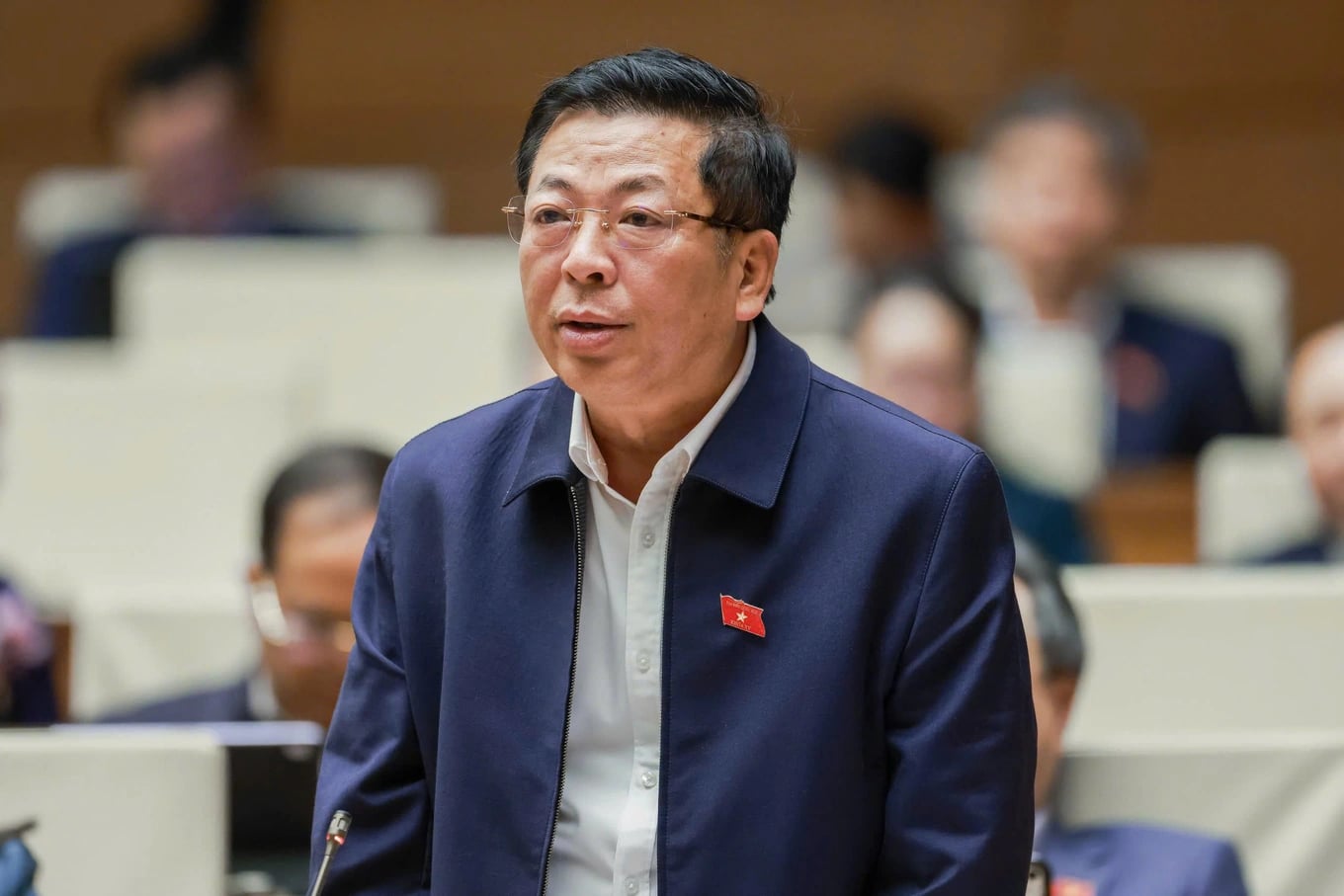
The minister said the Bidding Law sets detailed requirements for the selection process, including checks of financial capacity, equipment, machinery and personnel. Even so, the practice continues. He said this is the responsibility of construction companies and must be handled under the law.
Investors are also responsible for monitoring project schedules and quality and for checking the construction companies.
Tran Hong Minh said the ministry would take part in drafting a guiding decree to tighten the bidding process, ensure objectivity and prevent such cases from continuing.
Sources: Dân Trí