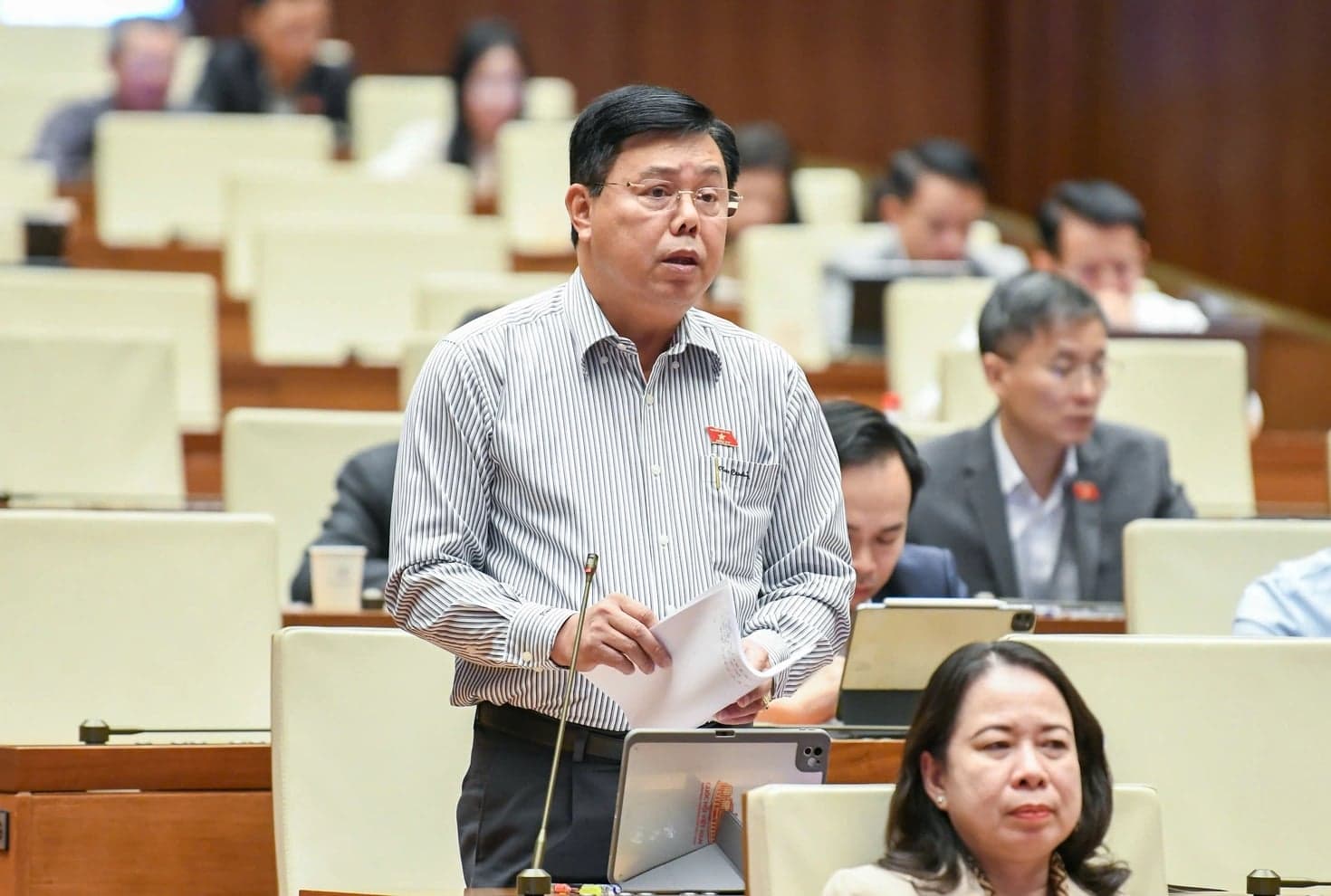
Nearly 48% of communes in 22 Vietnamese localities lack a dedicated official for receiving citizens, while visits and petitions have risen sharply.
Minister of Home Affairs Nguyễn Tiến Hải told the National Assembly that Vietnam's two-tier local-government model had given communes clearer responsibilities and transferred many duties from districts. Dedicated officials work in 1,213 of 2,317 communes in 22 reporting localities, or 52.35%. Ten localities have them everywhere, while five have none.
Communes handle more than 86% of citizen visits
Of 1,164 duties formerly handled by districts, 859, or 73.8%, have gone to communes. Local authorities received 303,197 citizen visits from December 15, 2025, to October 14, 2026, nearly 22% more than a year earlier. In 21 reviewed localities, communes received 86.11% of visits, reaching 90% in some places.
About 86% of matters were petitions and reports, 10% complaints and 3.5% denunciations. Commune-level visits rose 31.86%, while each commune had an average of 41 officials handling many new duties. New cases included land recovery, compensation and resettlement.
Some residents do not know which authority now handles their case and send documents to several offices or higher levels. In one province, 90.63% of petitions sent to the provincial reception office were outside its jurisdiction. Another locality received 267 petitions, but only seven were within its authority. Seven localities still had no commune updating the national database.
Lawmakers call for oversight of forwarded petitions
Lawmaker Nguyễn Thái Học said National Assembly bodies and lawmakers' delegations received nearly 27,000 petitions in 2026. About 12,500 qualified for processing, but only 2,878, or 23%, were forwarded. Of 268 long-running cases requiring urgent action, 117 were completed and 151 remained unresolved.
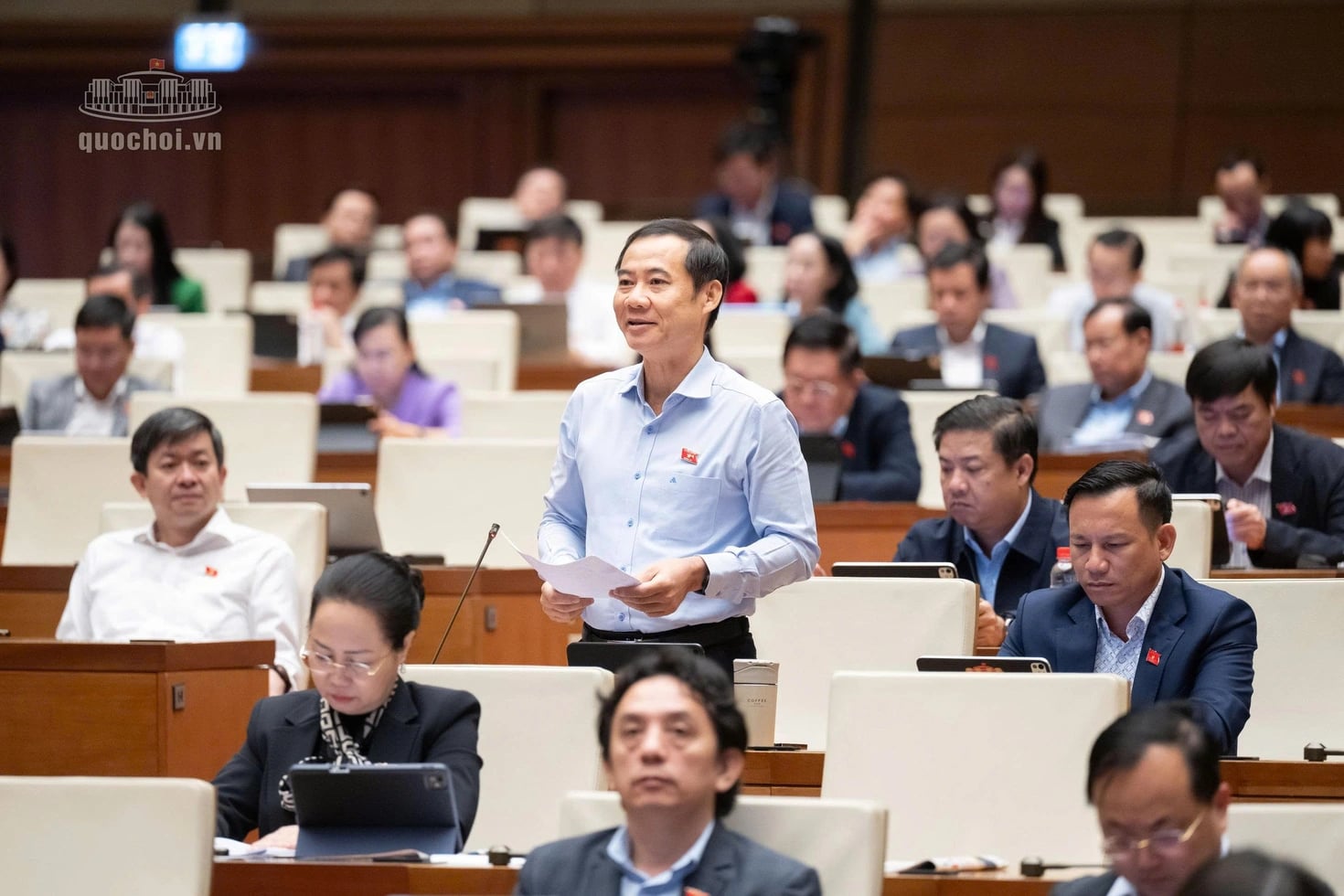
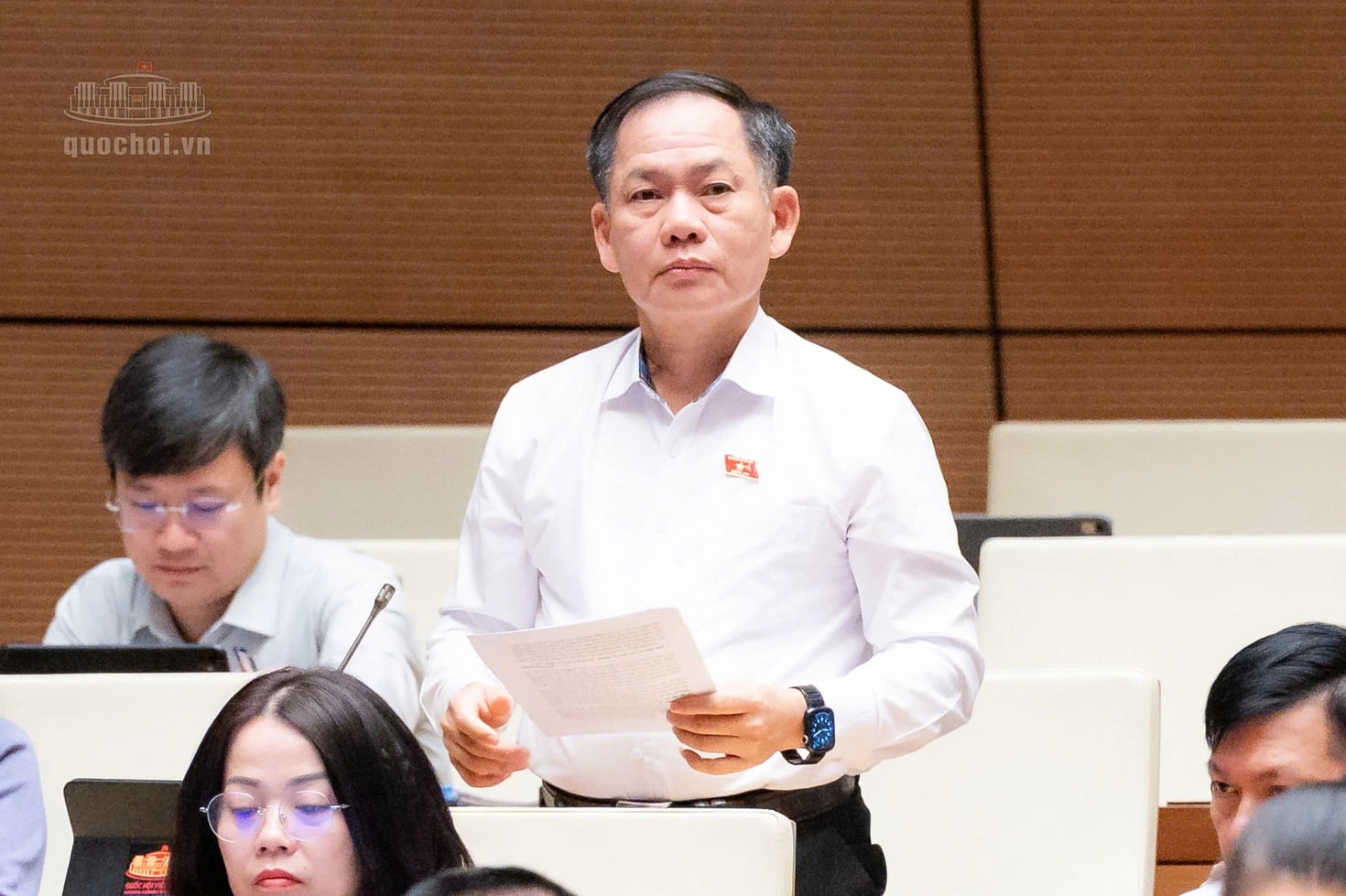
He called for oversight after petitions are forwarded and accountability for delays or unlawful handling. Lawmaker Trần Đình Gia cited a case that began in 2019 involving a fallen soldier's family. After a senior official intervened, local authorities coordinated their work and set deadlines. Gia called for a lead authority, defined duties and a deadline in complex cases.
Staffing and responsibility of local leaders
The chair of a commune people's committee must receive citizens in person at least two days a month and hold unscheduled receptions. The chair also handles complaints and denunciations at first instance within the authority. The Ministry of Home Affairs and the Government Inspectorate will guide staffing by job position, agree on an advisory office, increase leaders' accountability and provide professional training.
The minister said authorities must complete the handover of case files from former agencies so that reorganization does not interrupt their resolution.
Sources: Dân Trí