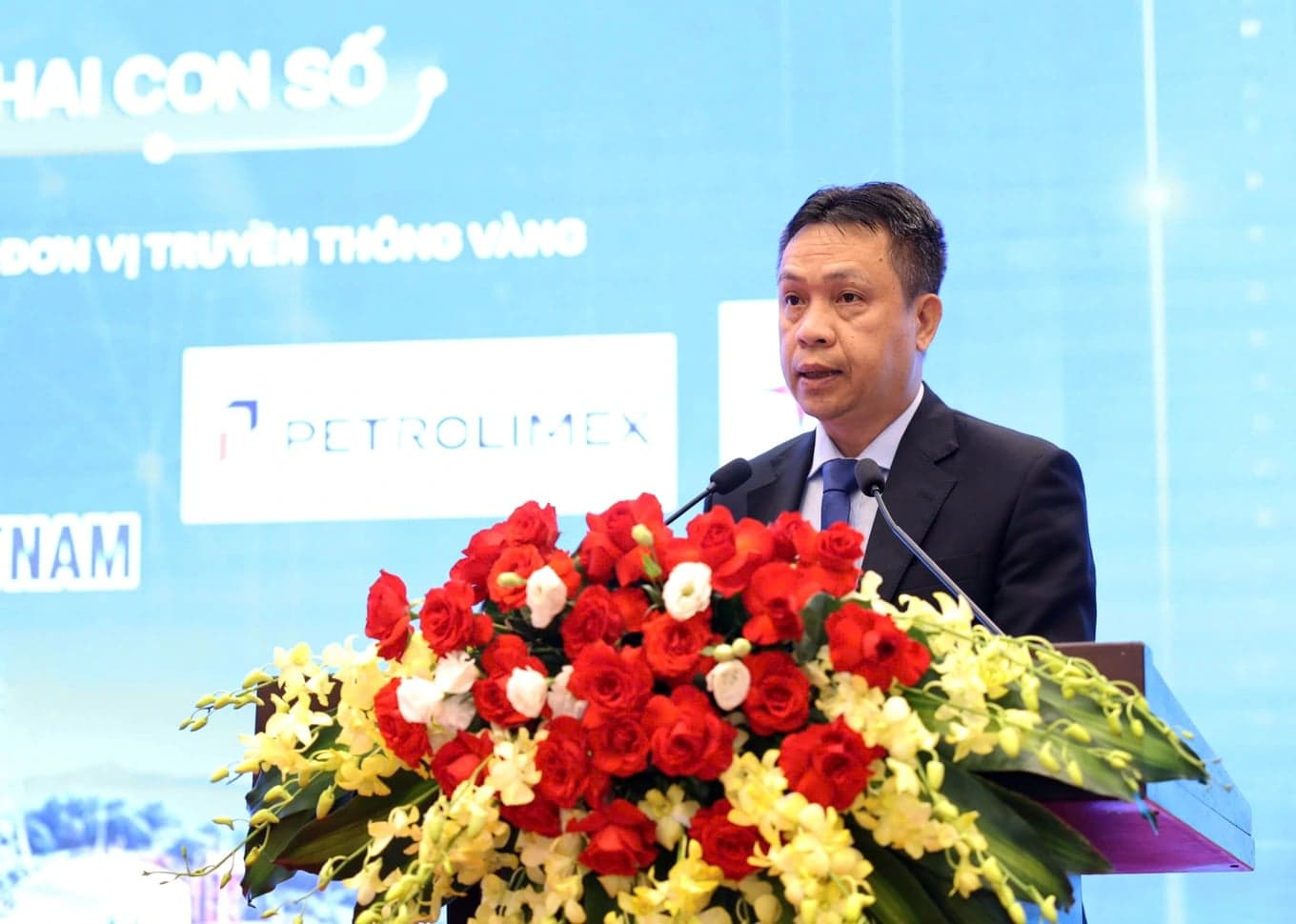
At the 2026 National Energy Security Forum, organized by the Ministry of Industry and Trade on the morning of November 10, Deputy Minister Nguyen Viet Son said Vietnam's energy system had faced its biggest shocks in several decades in 2026.
He cited the blockade of the Strait of Hormuz, which pushed Brent crude to $118.35 a barrel at one point. Record heat and El Niño drove electricity demand to a record level, while annual hydropower output was about 18.5 billion kWh lower than in 2025.
Despite those pressures, Son said Vietnam maintained stable energy supplies. The power system passed through three periods of extreme heat without rotating outages, while the country's two oil refineries operated above designed capacity and helped maintain fuel supplies.
Energy prices were also controlled, with more than VND64 trillion allocated to policies that reduced fuel taxes and fees and stabilized prices. The Ministry of Industry and Trade nevertheless pointed to several challenges.
Net energy imports accounted for 43.9% of primary energy supply in 2025. Fuel reserves covered only about 60 days of net imports, below the 90-day target, and the country had no national crude-oil reserve. Northern electricity demand also rose, while some generation and grid projects faced regulatory, land-clearance and financing obstacles.
Son said 2027 was expected to remain difficult and 2028 could be harder. Electricity demand is projected to grow by about 10% a year from the high 2026 base, while new baseload power sources may not be ready in time.
The ministry said the priority was to ensure adequate energy supplies in all circumstances, especially electricity for economic activity and people's daily lives.
Son added that energy self-reliance was the foundation of economic self-reliance, particularly as the 14th Party Congress has set a target of average GDP growth of at least 10% a year in 2026-2030. Energy development, he said, must move ahead of demand.
Rising demand and EVN plans
Nguyen Tai Anh, deputy general director of EVN, said electricity demand had risen sharply in 2026. In the first 10 months, commercial electricity sales increased 9.84%. Sales to trade and services rose 13.8%, while industrial and construction demand rose 8.84%.
The system's peak capacity reached a record 57,537 MW on June 24, up 12.6% from the same period a year earlier. Full-year electricity production is estimated at 355-358 billion kWh, an increase of 10-11%.
To handle the load, EVN secured fuel supplies, improved the availability of generating units, increased power imports, installed reactive-power equipment and battery storage, and coordinated system operations with NSMO. The system therefore largely met production, business and household demand and passed the dry-season peak without rotating outages.
From 2026 to 2030, EVN plans to spend about VND830 trillion, or an average of VND166 trillion a year, on generation and grid development. The group aims to complete 15 generation projects with a combined capacity of 6,066 MW. At Quang Trach I thermal power plant, Unit 1 began generating in May, Unit 2 was synchronized with the grid in late September, and both units are expected to enter commercial operation this year.
Other projects include the Quang Trach II and III LNG plants with combined capacity of 3,000 MW, the 200 MW expansion of Tri An hydropower plant, the 1,200 MW Bac Ai pumped-storage plant and battery energy-storage projects. EVN is also preparing 22 generation projects with a combined capacity of 9,710 MW.
In the first nine months of the year, EVN and its units started 136 projects and commissioned 131 110-500 kV grid projects. From 2026 to 2030, EVNNPT plans to complete 292 500-220 kV grid projects, including about 16,665 km of lines and 91,263 MVA of transformer capacity.
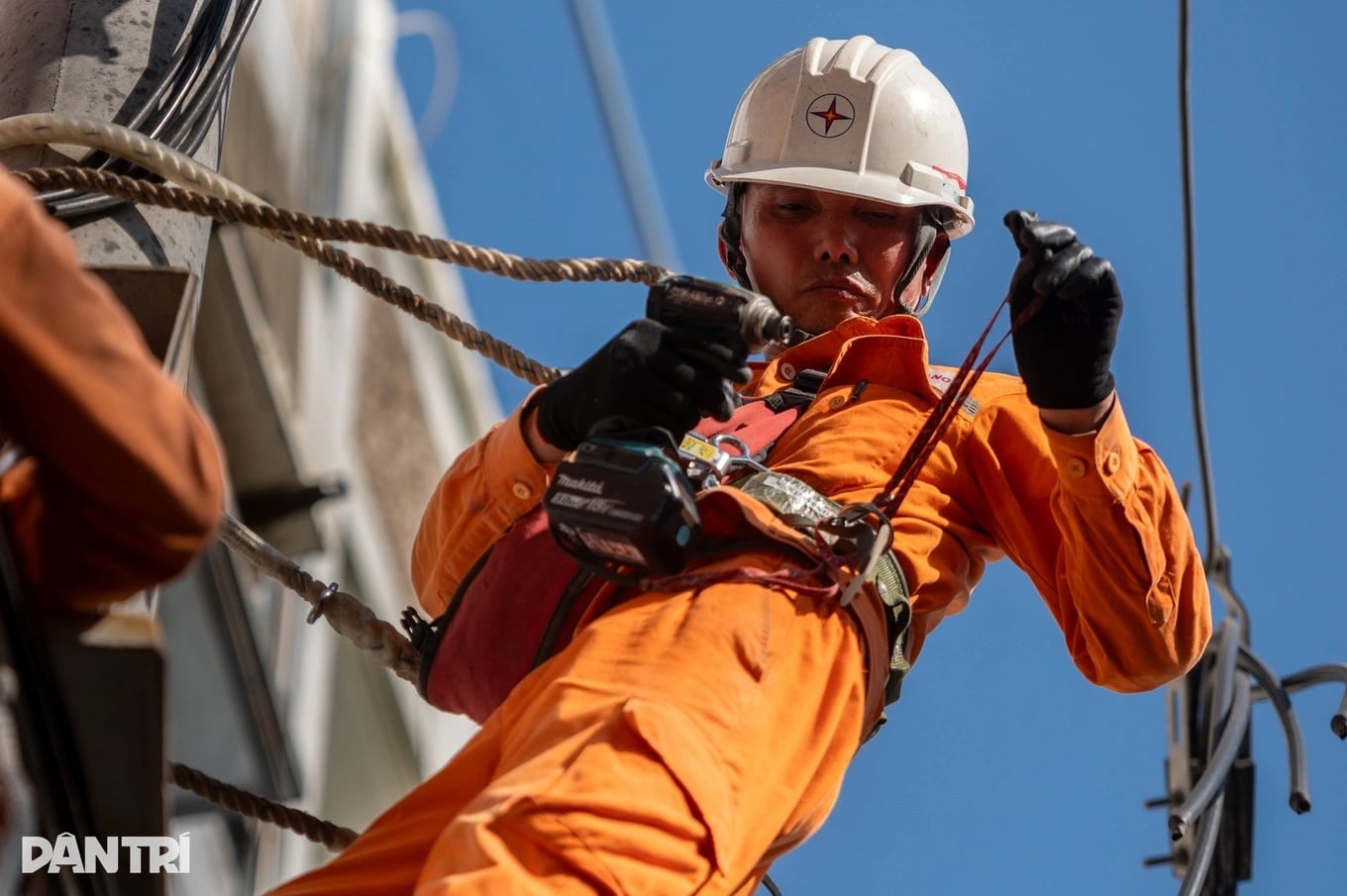
EVN expects power supply in 2027 to remain difficult, especially in northern Vietnam and if El Niño develops.
To prepare, the group is working with NSMO to keep hydropower reservoir levels high, schedule unit maintenance before the dry season and secure fuel for generation. EVN's coal-fired plants have signed coal-supply contracts for 2027, while an LNG-supply contract is expected to be completed in November.
EVN also aims to cut annual electricity consumption by at least 3% and consumption during peak hot months by 10%. It is encouraging customers to develop rooftop solar for self-generation and self-consumption and to join demand-response programs. The group is also accelerating battery-storage investment and aims to increase BESS capacity in northern Vietnam to about 1,734 MW by the end of 2027.
For long-term supply security, EVN asked the government, ministries and agencies to resolve obstacles involving investment rules, credit and capital mobilization for energy projects. It also proposed considering a suitable electricity-transmission tariff to attract private investment in the grid.
Local authorities should support land clearance, promote rooftop solar and encourage electricity conservation. EVN also asked energy companies to increase domestic coal and gas production and speed up LNG-supply infrastructure for power generation.
Sources: Dân Trí