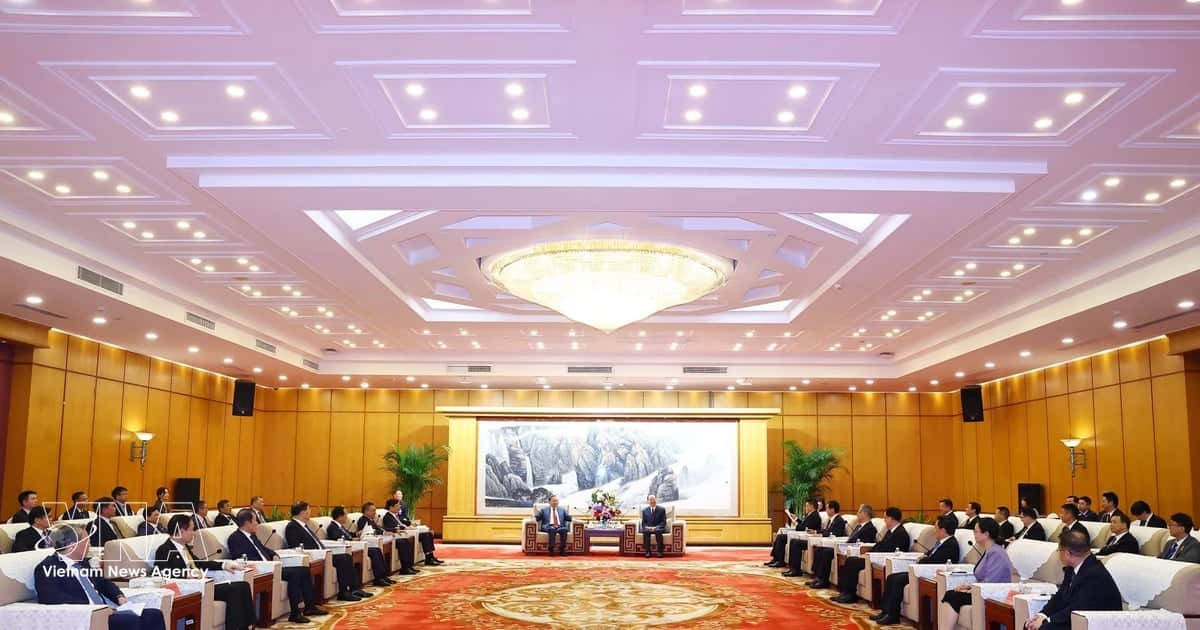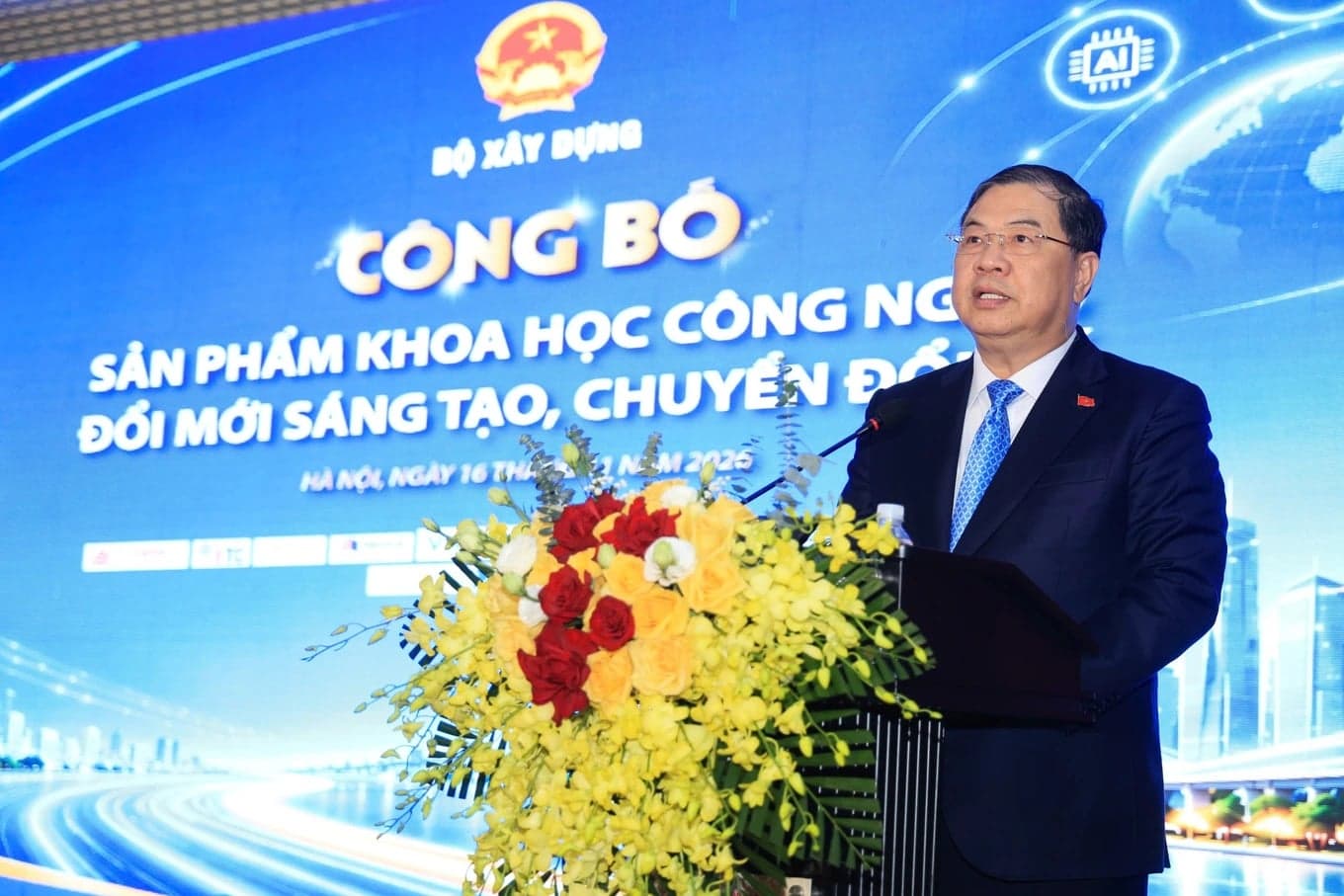
On November 16, the Ministry of Construction held a series of events on science and technology, innovation, and the digital transformation of the construction sector in 2026.
Urban problems set the priorities
Speaking at the event, Vice Premier Pham Gia Tuc said the construction sector creates space for development and the infrastructure needed for economic growth. He said the tasks ahead require solutions based on science and technology.
He cited limited resources for research and development, delays in updating standards and regulations for new technologies, weak links between research institutes, universities and businesses, and fragmented sector data.
The vice premier therefore asked the Ministry of Construction to focus on six groups of tasks. They include improving regulations, gradually mastering technologies for strategic infrastructure, developing shared databases and applying research results.
He said innovation tasks should begin with practical problems faced by residents and businesses. These include flooding, traffic congestion, urban environmental protection, climate change adaptation and disaster prevention.
In housing, he asked the ministry to combine design solutions, modern prefabricated construction methods and new materials in developing social and rental housing.
For infrastructure, the ministry was asked to prioritize technologies for high-speed and urban railways, underground construction, advanced low-emission materials and smart infrastructure management.
The vice premier said railway projects must include technology transfer, workforce training and the development of supporting industries. This would allow domestic businesses, research institutes and educational institutions to take part in research, design, manufacturing and testing.
For digital transformation, he asked the ministry to develop databases within a single architecture. Priority data areas include planning, construction activity, housing, the real estate market, infrastructure and transport.
Building information modeling, geographic information systems, artificial intelligence and digital twins should be used more widely throughout the process, from planning and investment to the management and operation of facilities.
Technology will be measured by productivity, costs and time
Minister of Construction Tran Hong Minh said the sector had achieved several results in research, technology applications and digital transformation.
The ministry identified and proposed six strategic technology development tasks in high-speed and urban rail. The Ministry of Science and Technology assessed and approved them. The goal is to gradually master these technologies.
The ministry also completed the operation of all 10 of its 10 databases and synchronized more than 11 million records with the National Data Center. The share of administrative procedures available online reached 96.8%.
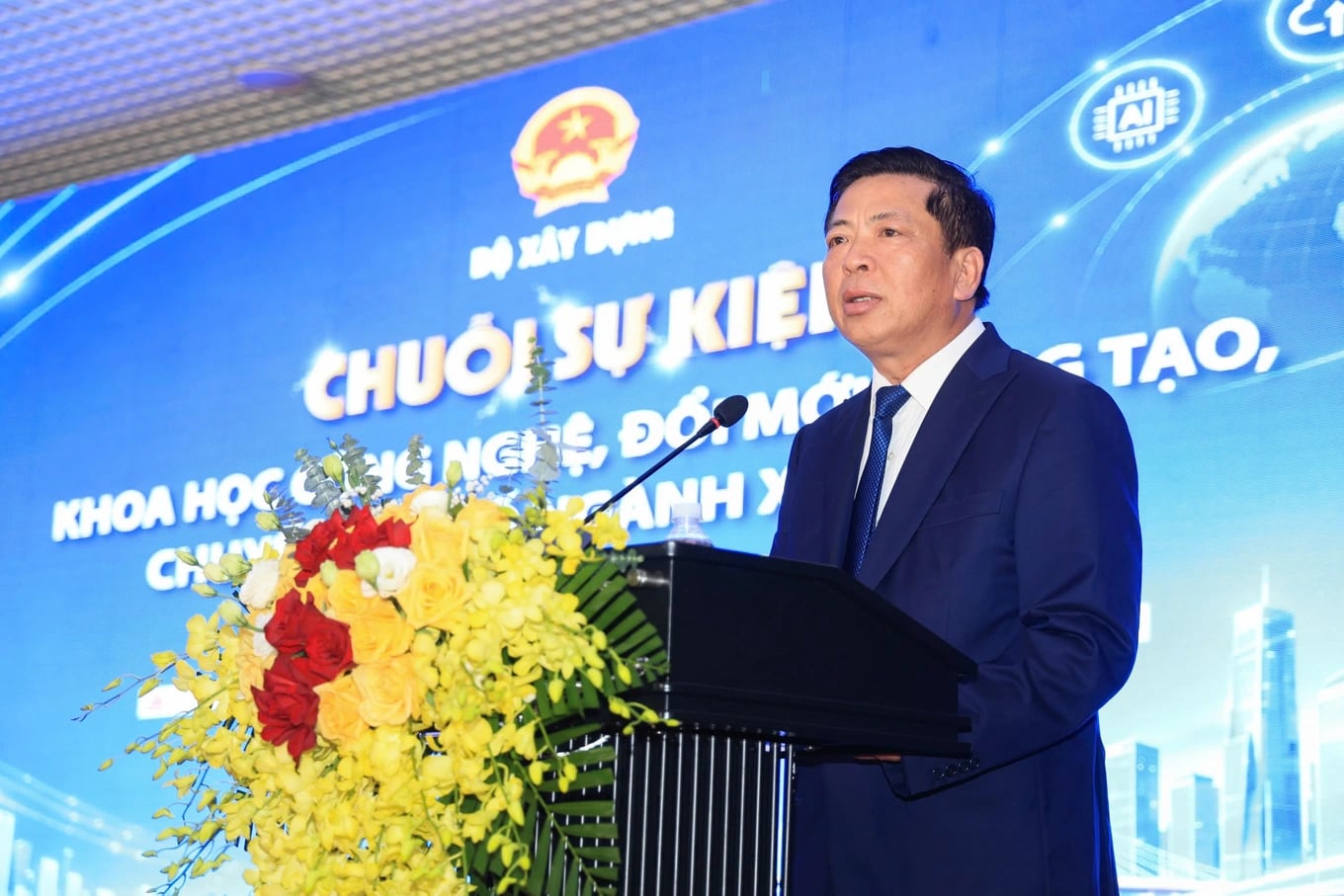
Minister Tran Hong Minh said practical needs, application results and the contribution to economic growth should be the main measures for research and technology applications. Agencies should move from simply digitizing and connecting data to using it for analysis, forecasting and policy planning.
Deputy Minister of Construction Pham Minh Ha said the sector should identify the areas and stages where technology can have the greatest effect, especially by reducing costs, shortening timelines and improving construction quality.
The results of science and technology development, innovation and digital transformation should be assessed using concrete indicators for time, cost, productivity and added value, rather than only counting research topics or products, the deputy minister said.
According to Ngo Anh Tuan, director of the Academy of Strategy and Training for Construction Officials, the construction sector's added value rose 10.31% in the first nine months of 2026. This was higher than national GDP growth of 9.01%.
However, the sector's growth still depends substantially on expanding investment capital. The task now is to raise productivity, cut costs and improve the efficiency of operating facilities through technology.
Sources: Dân Trí