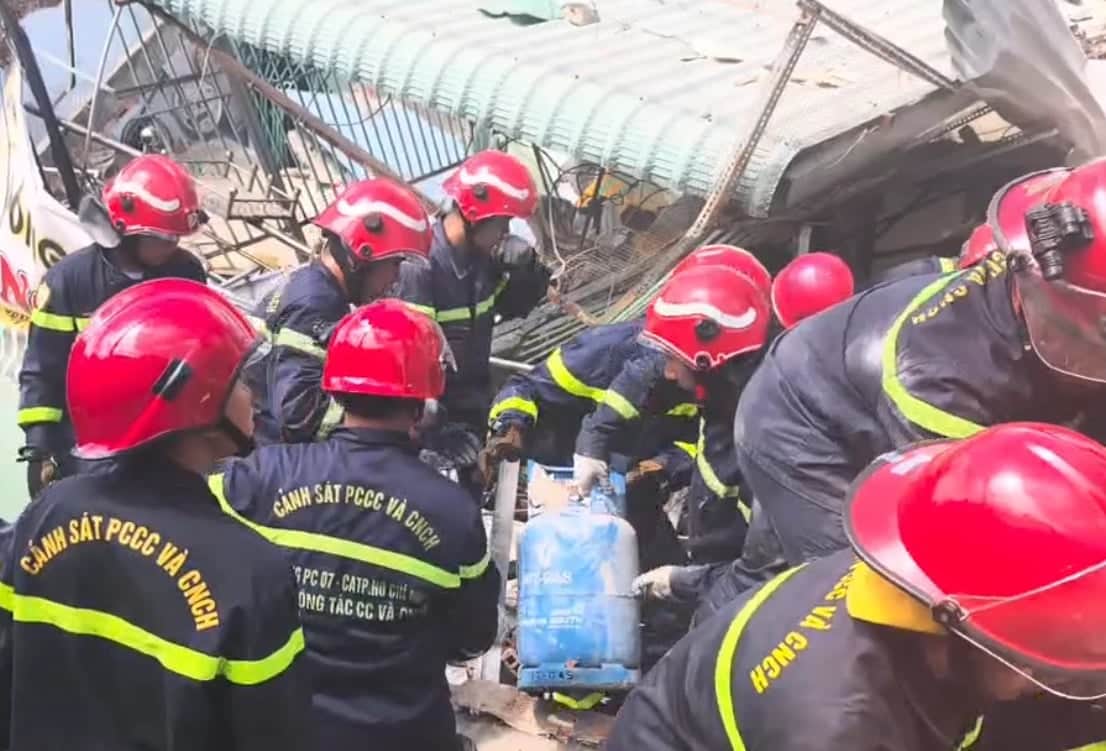
El Nino has reached very strong intensity and is forecast to continue until early 2027. It raises the risk of drought, water shortages and saltwater intrusion for agriculture and residents during the 2026–2027 dry season, especially in central and southern Vietnam, Nguyen Thuong Hien, head of the Department of Dyke Management and Disaster Prevention, said.
At the 17 November forum "The Vietnam Farmers' Union chairman and the Minister of Agriculture and Environment listen to farmers", Vo Thi Ngoc Nua, an official of the An Giang Farmers' Union, asked what the sector would do immediately to help farmers adjust planting schedules, crop and livestock structures, water supplies and production plans.
She also asked whether weather and water-resource forecasts, drought and saltwater intrusion information, and disaster warnings could be delivered to each production area, cooperative and farmer group in a clear form and early enough for people to make production decisions.
The Minister of Agriculture and Environment asked Nguyen Thuong Hien to answer. He said the ministry had issued information about El Nino and an early warning of possible water shortages in April. It also regularly updates developments in weather and disaster bulletins so ministries, sectors and local authorities can prepare responses.
The ministry has prepared a plan to build, update and implement detailed drought and El Nino response scenarios for six socio-economic regions and individual river basins, along with plans to prevent and address disaster impacts.
The ministry is now drafting and submitting to the prime minister a directive to strengthen measures against types of disasters linked to El Nino in 2026–2027. The directive is intended to coordinate the national response.
Nguyen Thuong Hien said the ministry had instructed its units to release the mobile apps "Vietnam Weather" and "Disaster Prevention Guidance". They will help people access timely and accurate weather and hydrological forecasts and warnings, including information about drought and saltwater intrusion.
One of the agency's main tasks in the coming period is to improve forecasting and warning quality and deliver disaster information to residents. Authorities plan to gradually move from warnings about a phenomenon to warnings about its impacts.
Provincial and city hydrometeorological stations are expected to provide detailed forecasts and warnings for each area. On that basis, specialist agencies will issue clear advice on crop and livestock production suited to the conditions of each production area, cooperative and farming household.
The Law on Hydrometeorology and the Law on Natural Disaster Prevention and Control are also being revised. They are expected to be submitted to the National Assembly in 2027 to improve the legal framework and meet the need for more detailed forecasts and warnings that reflect production conditions.
The Ministry of Agriculture and Environment encourages people to use crop varieties and livestock breeds that can withstand drought, saltwater intrusion and heat. It also calls for wider use of water-saving irrigation technology and more climate-adapted production models.
For infrastructure, authorities need to review, repair, upgrade and operate irrigation and domestic water-supply facilities effectively, while controlling saltwater intrusion. They should dredge canals and pumping stations and arrange freshwater collection points to secure water for production and daily life during the peak of drought and saltwater intrusion.
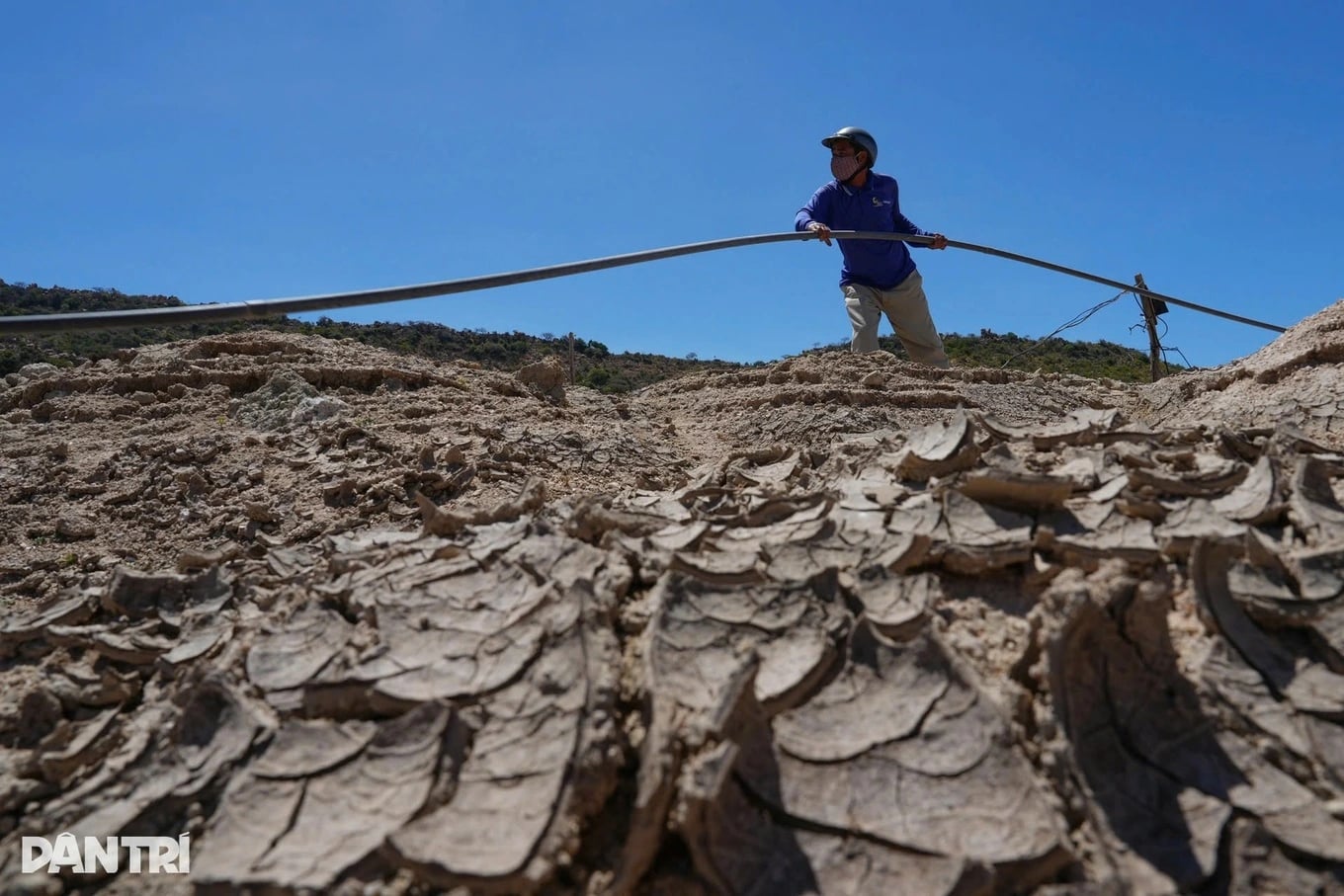
El Nino is a natural climate pattern linked to warming surface waters in the central and eastern Pacific Ocean or tropical seas.
The phenomenon affects global weather patterns and causes major changes in temperature, rainfall and wind. It usually occurs once every 2–7 years and lasts about 9–12 months.
Sources: Dân Trí