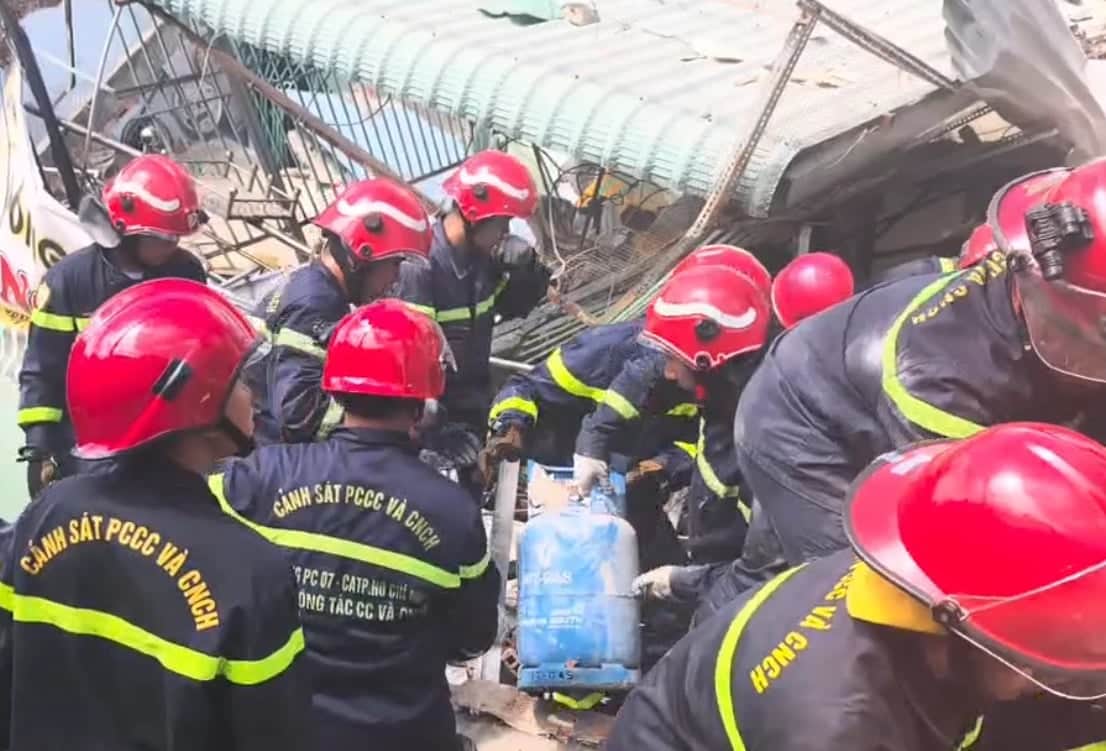
After an explosion and the collapse of a residential house on Bui Van Ba Street in Tan Thuan Ward, Ho Chi Minh City, the Fire Prevention, Firefighting and Rescue Police Division (PC07) issued recommendations for residents and businesses. The guidance covers safety measures for household gas use and gas cylinder handling.
On November 13, 2026, a major explosion on Bui Van Ba Street completely destroyed two houses, while nearby homes were badly damaged. Firefighters and rescue workers found and brought 12 trapped people out of the rubble.
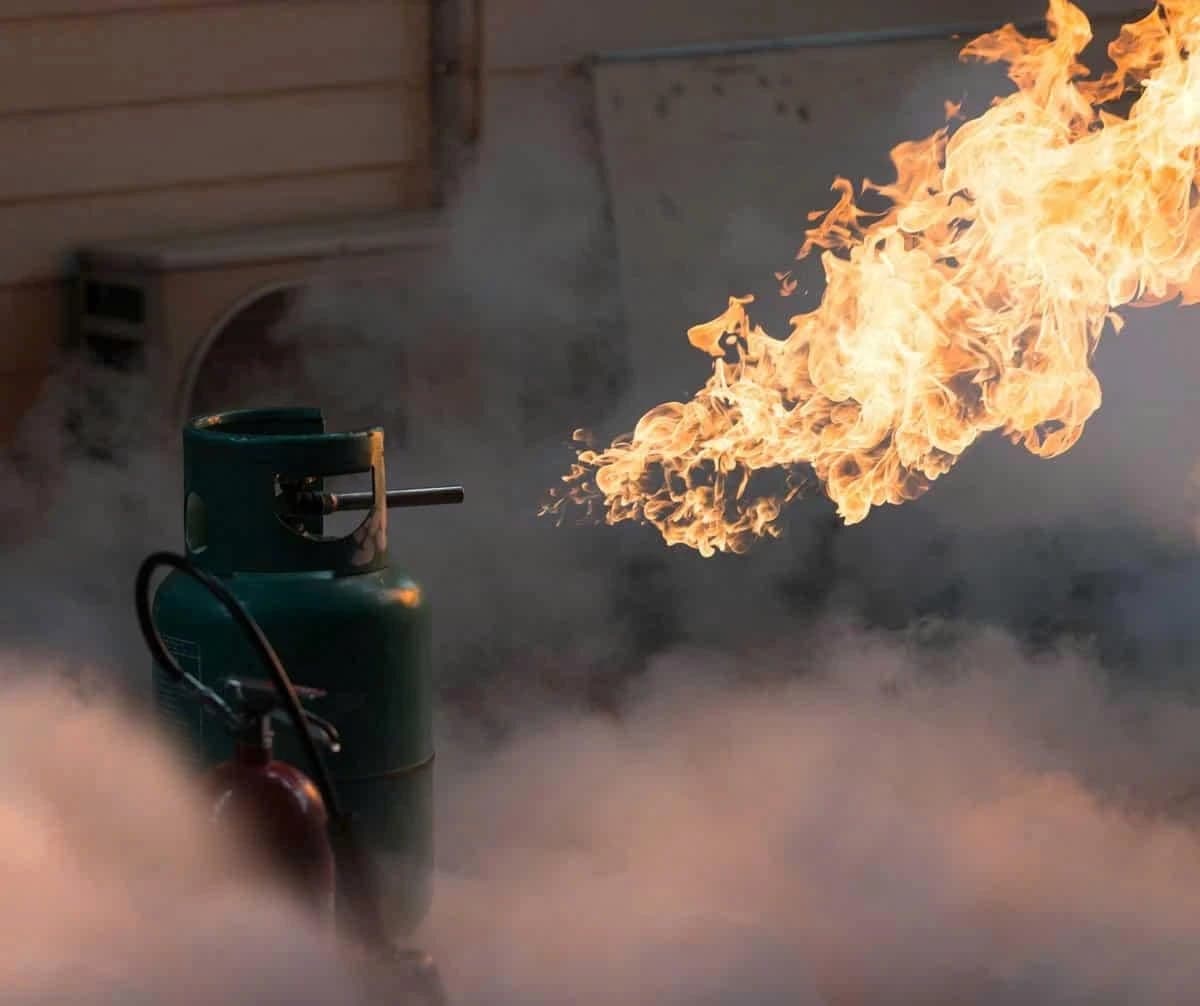
Household LPG is heavier than air. When it leaks, it usually collects near the floor, in pits, drains or poorly ventilated areas. When gas mixes with air and meets a heat source, the pressure from an explosion can destroy walls and load-bearing structures and cause nearby buildings to collapse.
PC07 advises residents and businesses to follow four groups of measures. People should buy or exchange gas only at shops with a clear address and contact details. They should check a cylinder's brand, seal, inspection date and casing, and refuse cylinders that are dented, rusty or suspected of leaking.
After connecting the cylinder, the delivery and installation worker must test the joints for leaks and explain how to operate the equipment. A gas cylinder should stand upright and securely in a well-ventilated place, away from heat sources. It must not be placed in an enclosed basement, covered by objects or pressed against the hose. With small gas stoves, people must not use cylinders refilled by transferring gas, alter the stove structure themselves or use cookware so large that heat reaches the cylinder compartment.
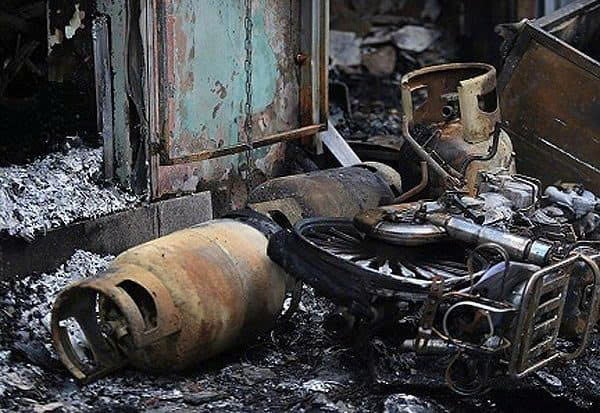
Before turning on the stove, check whether the hose is cracked, bent, damaged by rodents or touching a hot surface. If it is damaged, stop using it and call a qualified technician to replace it. Do not splice or patch the hose yourself, and do not use a flame to look for a leak. Someone should watch the stove while food is cooking. Do not allow food to boil over or wind to extinguish the flame while gas continues to escape.
If the burner does not ignite, shut off the gas supply and check the cause before trying again. At restaurants and eateries, owners must assign someone to check the gas system before and after every shift.
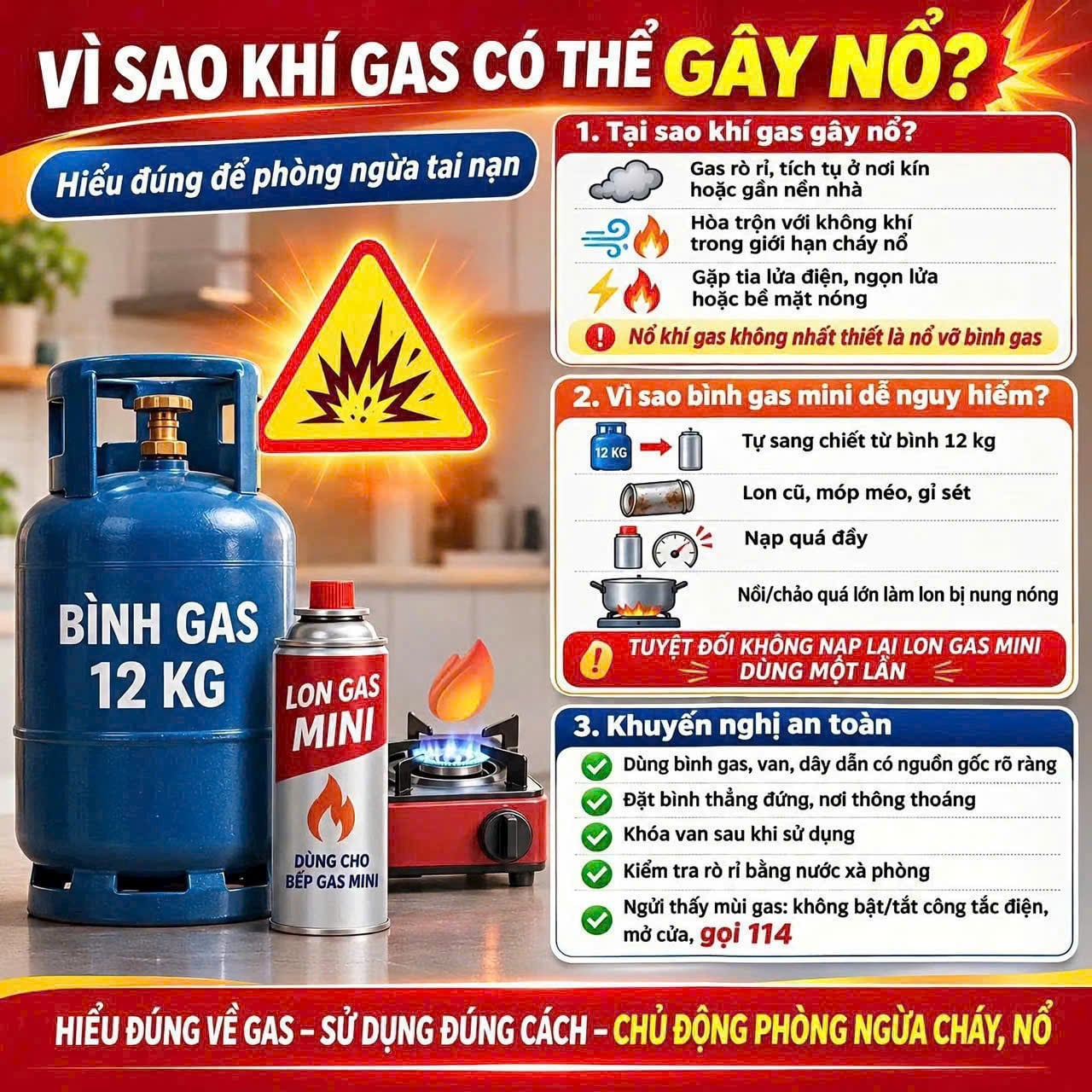
Gas shops must strictly control the receipt and distribution of cylinders, store them properly and keep firefighting equipment ready. Police prohibit transferring or refilling gas with homemade equipment and prohibit refilling disposable cylinders for small stoves. Storage areas must keep escape routes clear. Smoking, cooking, welding and cutting work are prohibited nearby.
Sources: Thanh Niên