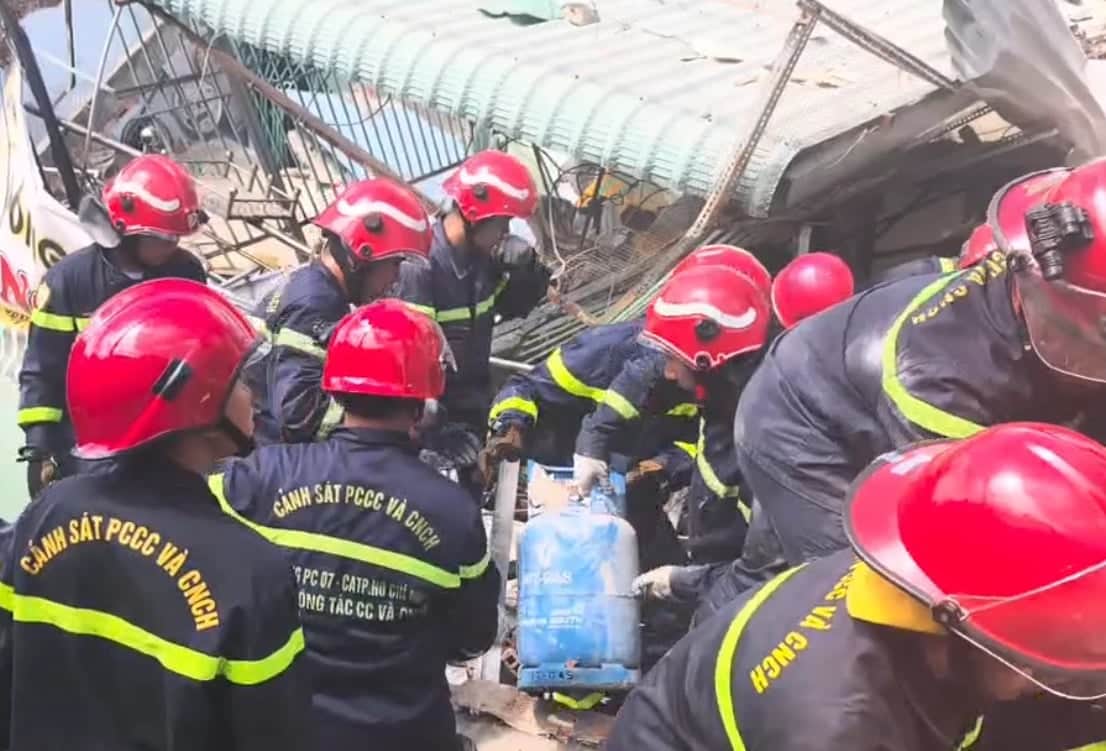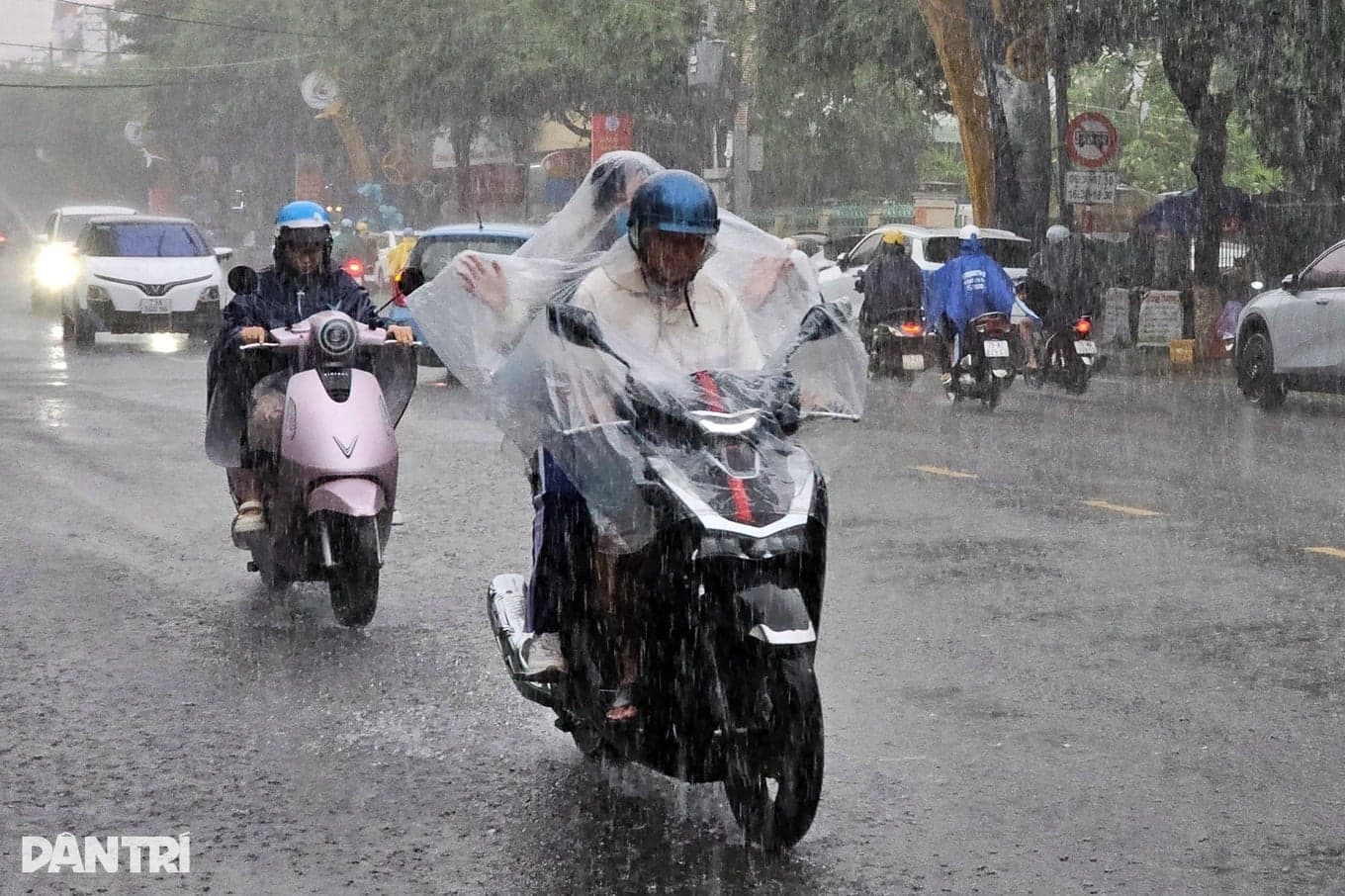
On November 11, the Khanh Hoa People's Committee sent a document to agencies and local authorities, urging them to continue preparing for heavy rain and flooding in the coming days.
Moderate to heavy rain, thunderstorms and locally very heavy rain affected Khanh Hoa on November 10 and 11. Rainfall was generally 50–150 mm per episode, with some areas receiving more than 180 mm. Moderate to heavy rain and thunderstorms are forecast in the coming days, with typical rainfall of 40–80 mm and locally more than 90 mm.
Heavy rain may flood low-lying areas and raise water levels in rivers and streams. A flood is expected, with peak levels on most rivers around warning level 1. Small rivers and streams may rise above warning level 1.
The chairman of the Khanh Hoa People's Committee ordered agencies, communes, wards, special administrative areas and related units to follow instructions on responding to different types of disasters over the next 10 days.
Local authorities must immediately activate and implement response plans under the “four on-the-spot” principle: on-site forces, equipment, leadership and supplies.
At sea, agencies must closely monitor warnings, forecasts and strong winds. They must inform and guide captains and owners of vessels operating at sea so they can take steps to protect people and property.
Commune-level authorities must activate local disaster response plans and immediately review and implement measures for heavy rain, flooding, flash floods and landslides. They must identify areas at risk of landslides and flash floods.
Local authorities must prepare evacuation and relocation plans and ready reception sites with accommodation, drinking water, food, medicine and other essential supplies.
For areas that could become isolated, authorities must stock enough food, clean water, medicine, flashlights and spare batteries for at least 7–10 days. They should also prepare radio equipment and satellite phones, if available, to maintain contact with the outside and organize relief when needed.
The provincial military command, police and border guard command were asked to check personnel and equipment and remain ready to evacuate residents and conduct search and rescue when required.
The Department of Education and Training must monitor the rain and flooding. Based on conditions in each area, schools may decide to suspend classes to protect students, teachers and workers.
Operators of reservoirs, irrigation works and hydropower facilities must regularly monitor rainfall, inflows, reservoir levels and forecasts. They must use that information to prepare suitable operating and water-regulation plans as conditions change, protecting the facilities and downstream areas.
“Water regulation must follow procedures approved by the competent authorities. Operators must not act outside the rules,” the provincial People's Committee said.
Agencies and units must maintain 24-hour duty shifts and monitor heavy rain, flooding, inundation and other disasters so they can respond promptly.
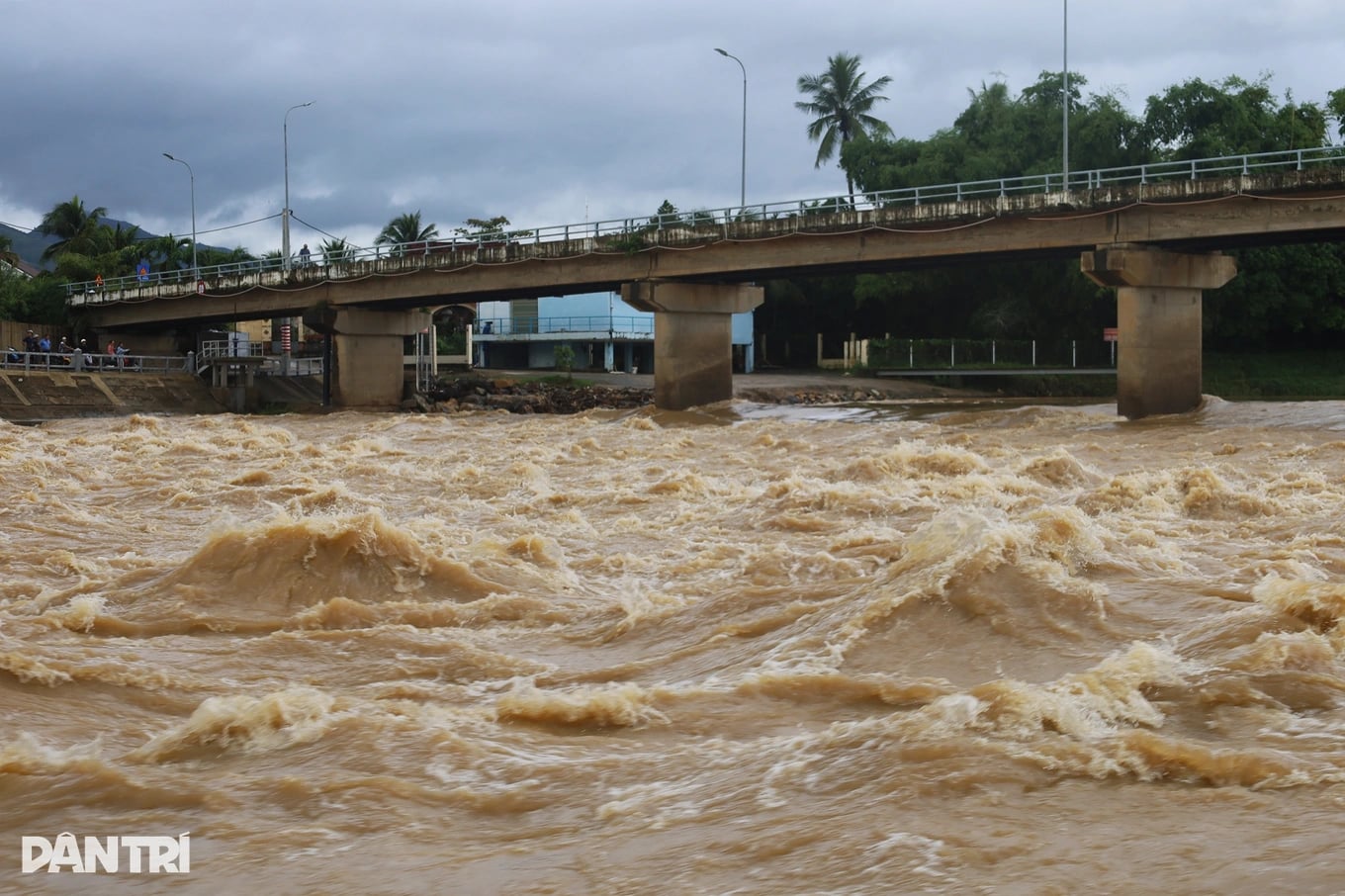
Earlier, in November 2025, historic rain and flooding in Khanh Hoa killed 22 people and destroyed or damaged more than 1,000 homes. Many structures and agricultural areas were also damaged. Total losses were estimated at more than VND 5 trillion.
Sources: Dân Trí