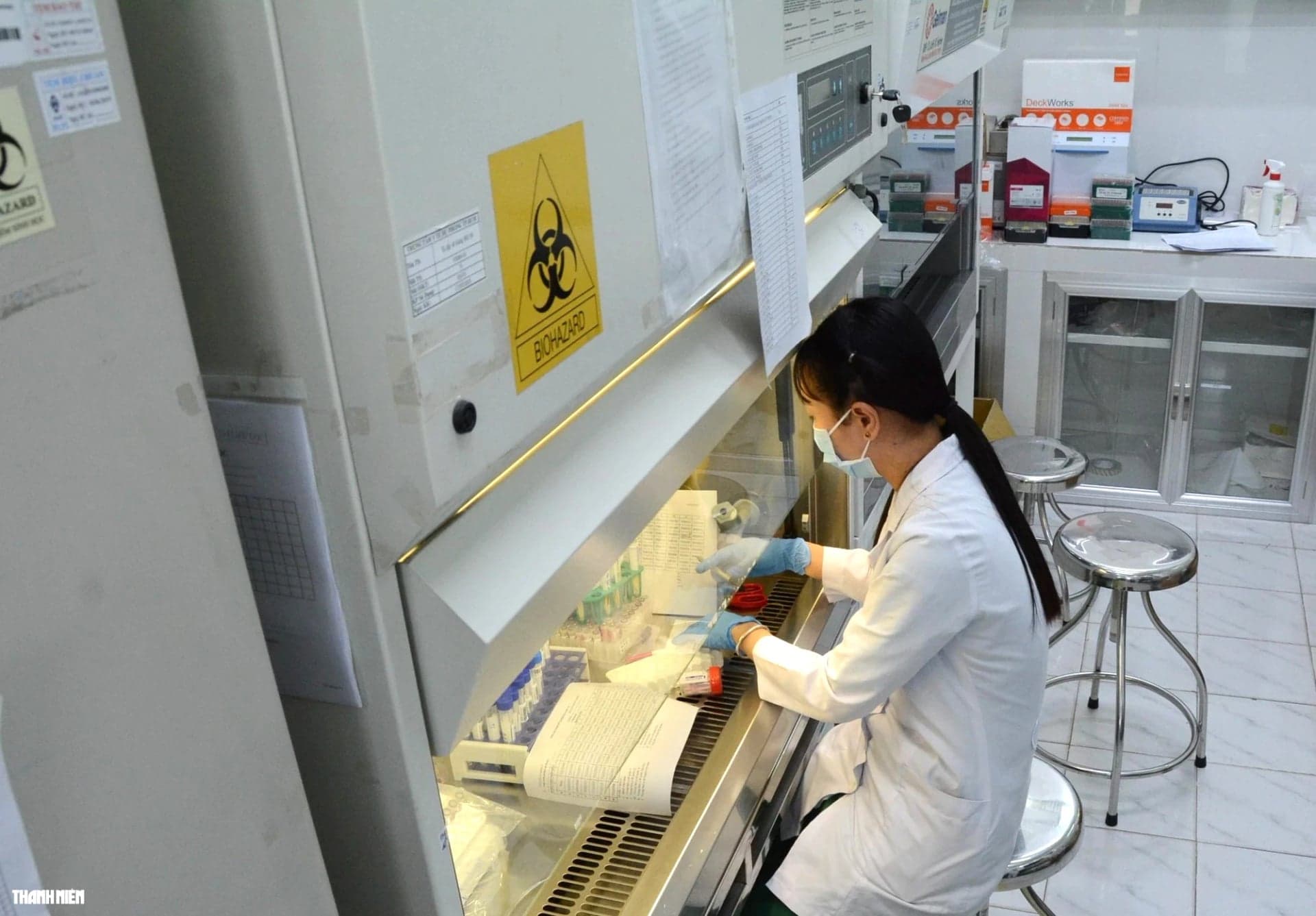
The infectious disease laboratory monitoring network is planned for 2026. It will connect all laboratories in the city to improve the detection and monitoring of infections and the response to future pandemics.
On November 10, the Ho Chi Minh City Department of Health said it had issued a plan to establish and develop the city's infectious disease laboratory monitoring network through 2030.
According to the department, Ho Chi Minh City is a densely populated urban area and a major trading center. After Binh Duong and Ba Ria-Vung Tau were merged into the city, its administrative area expanded and its healthcare system became larger and more complex. The city regularly faces the risk of outbreaks of endemic and emerging infections, including diseases brought in from abroad.
Addressing gaps in laboratory coordination
A survey of infectious disease testing capacity conducted in August 2025 found that the city has public and private laboratories, as well as laboratories in preventive and treatment healthcare. They can perform a wide range of tests, from basic to specialized techniques. Laboratories are classified into five capacity levels. Leading institutions include the Pasteur Institute in Ho Chi Minh City, the Hospital for Tropical Diseases and the Ho Chi Minh City Center for Disease Control (HCDC).
However, some laboratories still cannot respond quickly enough to infectious disease prevention requirements despite investments in infrastructure and staff, especially during public health emergencies. The Department of Health attributed this to limited connections, technical and information sharing. Coordination mechanisms between laboratories at different levels and in different sectors are unclear, while data sharing, specimen coordination and technical support remain limited.
To address these gaps, the network will operate under an executive board directly directed by the Department of Health. HCDC will be the standing technical body, while the city's laboratory quality assurance center will support quality management. The network will include a specimen collection system and laboratories grouped into five capacity levels.
Healthcare units in the city will collect specimens at border gates, in communities, high-risk areas, outbreak sites and treatment facilities, and transport them as required. Laboratories will test for infectious diseases and coordinate professional activities at the request of the Department of Health and the executive board. Hospitals and private laboratories will be encouraged to join the network.
One central task will be to build a database of laboratory capacity and a digital map showing the tests performed, the pathogens being tested for and the capacity of each laboratory. The city will also standardize data and forms, establish electronic reporting and build a laboratory information management system linked to the epidemiological surveillance system.
Laboratories to be ready for mobilization during outbreaks
The network will also organize regular training, provide technical support and professional supervision, run internal and external quality control programs, and maintain quality and biosafety at laboratories.
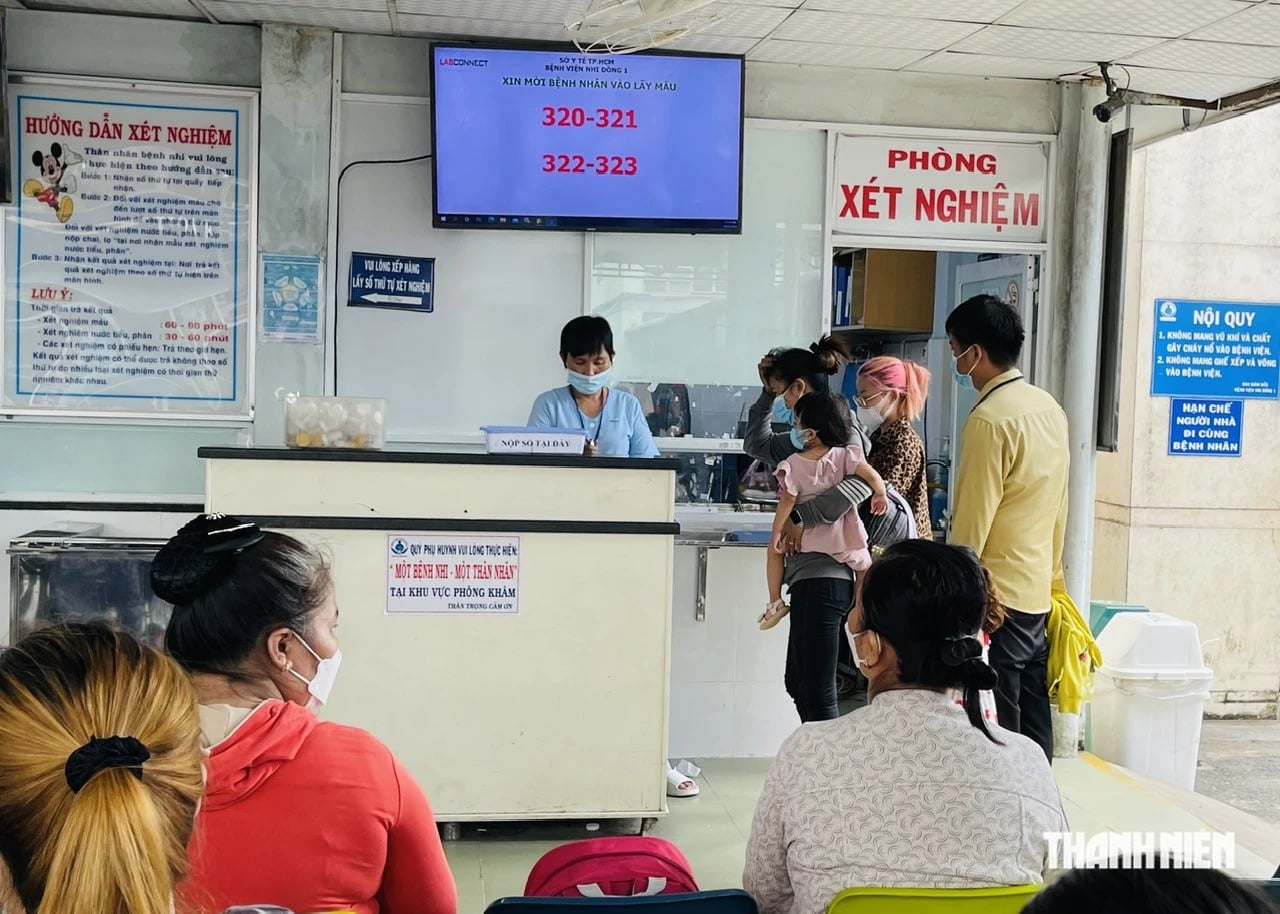
When there is no outbreak, the network will conduct routine surveillance, training and scenario-based drills, and prepare equipment, supplies and chemicals for testing.
When a disease outbreak is a potential risk, laboratories with capacity level 4 or higher may be mobilized.
If an outbreak occurs in the city, laboratories at levels 1 through 5 will be mobilized according to the situation. If the disease spreads widely, the city will increase capacity, deploy inter-sectoral and mobile laboratories, and establish a specimen coordination center.
2030 target: 90% of laboratories to update capacity data on a digital map
Under the plan, the network will be established in the fourth quarter of 2026. By 2030, the city aims for 70% of laboratories conducting infectious disease testing to join the network, 90% of laboratories to use capacity self-assessment tools and 90% to update their capacity data on the digital map.
Sources: Thanh Niên