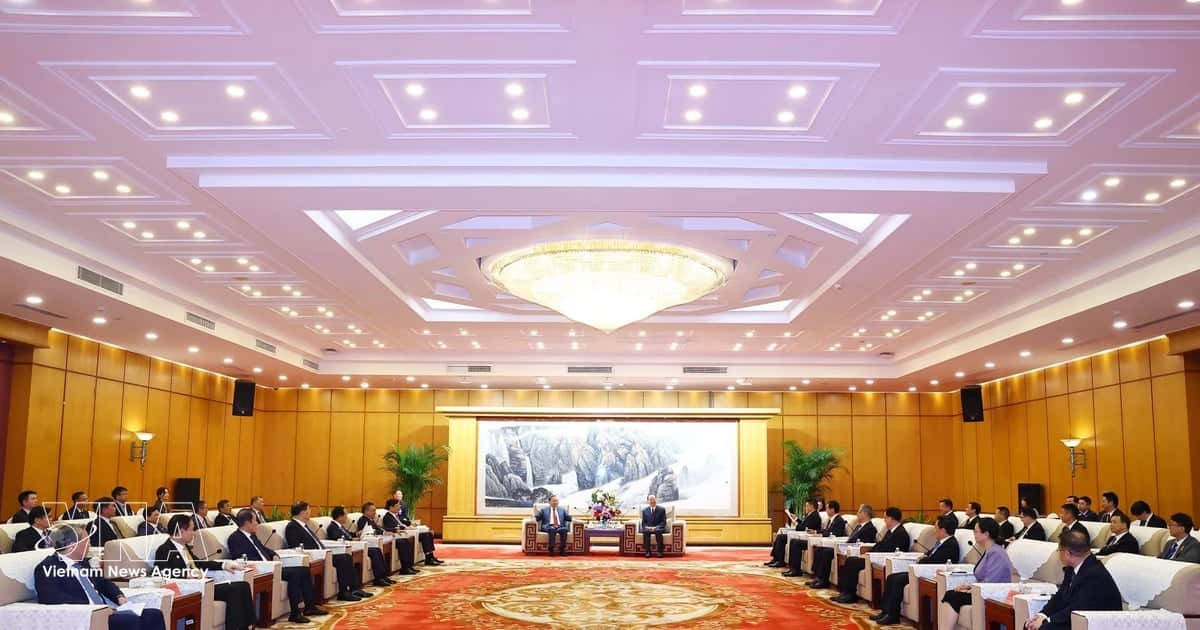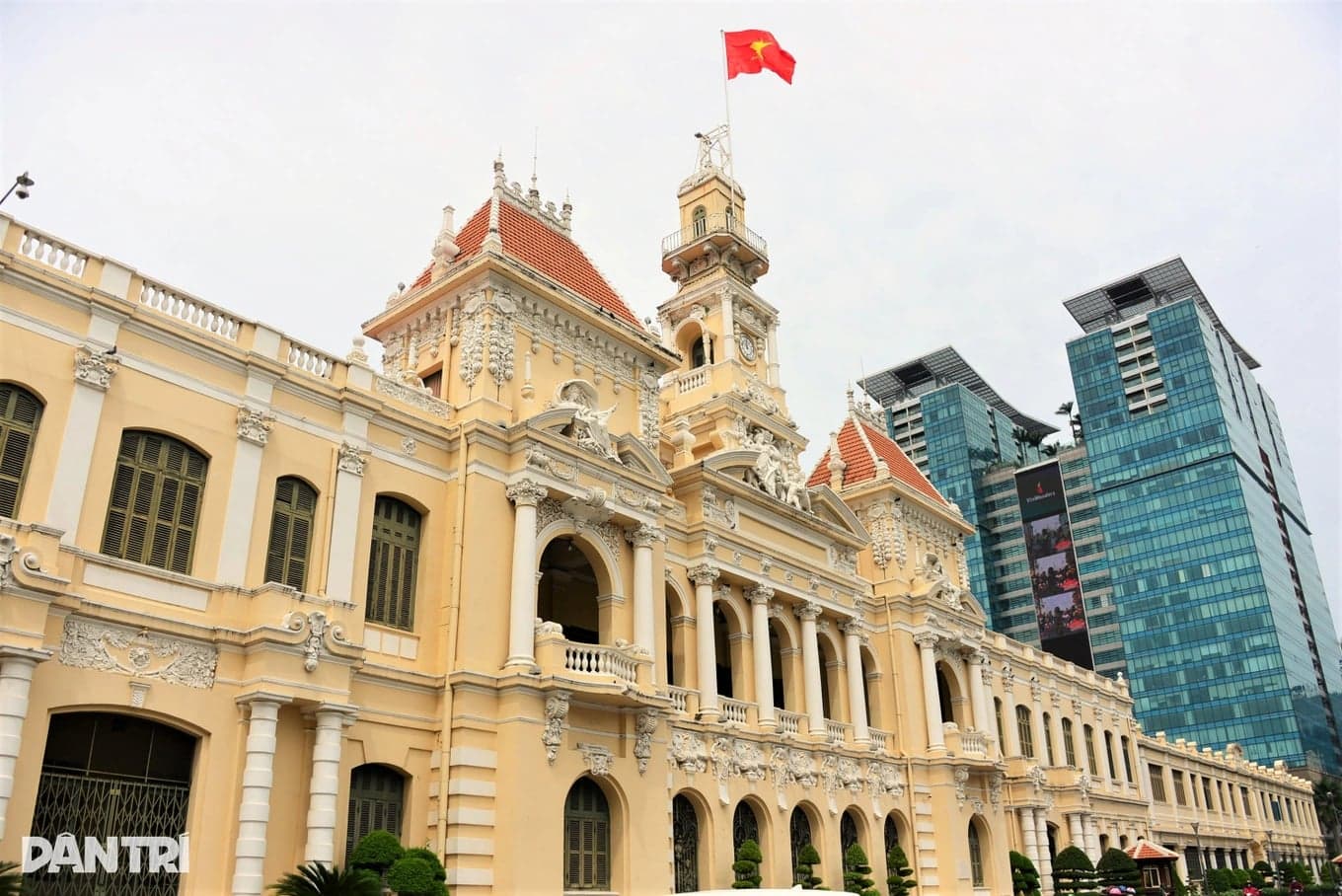
The Ho Chi Minh City People's Committee has approved a plan to further improve and operate the overall organizational model of the political system and the two-tier local government model across the city.
The city aims to ensure that its administration operates in a coordinated, unified, uninterrupted, streamlined and effective way, without gaps or interruptions in managing affairs or serving residents and businesses. The plan includes 31 tasks in seven areas, covering operating mechanisms, organizational restructuring, personnel, public assets and digital technology.
The city will continue improving the organizational model of state administrative agencies to fit the two-tier local government system. Specialized agencies, public service units and commune-level administrative organizations will be reviewed and reorganized so they can work effectively without overlapping or leaving duties unassigned.
Ho Chi Minh City will also study and propose organizational models suited to its local characteristics. If central authorities issue policies and guidance, it will help study models linked to a special economic zone, new development spaces and commune-level administrative units that could serve as development hubs.
The plan also calls for further restructuring the network of public service units, expanding their autonomy, and transferring tasks and public services that the state does not need to provide directly to the non-state sector in accordance with regulations.
The city will regularly monitor and assess how the organizational model and the two-tier local government system operate, review practical experience, resolve difficulties and propose that competent authorities adjust and improve mechanisms and policies to meet development needs.
In education, the Department of Education and Training has been assigned to complete the restructuring of the network of preschool and general education institutions, as well as public vocational and continuing education institutions, in 2026. The restructuring of public higher-education institutions under the city is expected to be completed in April 2027.
The Department of Health has been assigned to prepare a plan to restructure the hospital system by reducing the number of units and taking population size and healthcare needs into account. The city also plans to merge the appraisal sector, including the Medical Assessment Center and the Forensic Medicine Center.
The plan identifies the development of the corps of officials, civil servants and public employees as a priority. Its stated principle is: “The right structure, sufficient ability, strong execution, modern management and high responsibility.”
The Department of Home Affairs has been assigned to propose measures to improve the quality of personnel and change staff assessments to focus on work products and outcomes. It will also study ways to identify, attract and make effective use of talented people, experts and civil servants with deep expertise.
The city also plans to shift from managing the number of staff positions to managing work quality and performance. Actual staffing needs will be determined using data and quantified workloads.