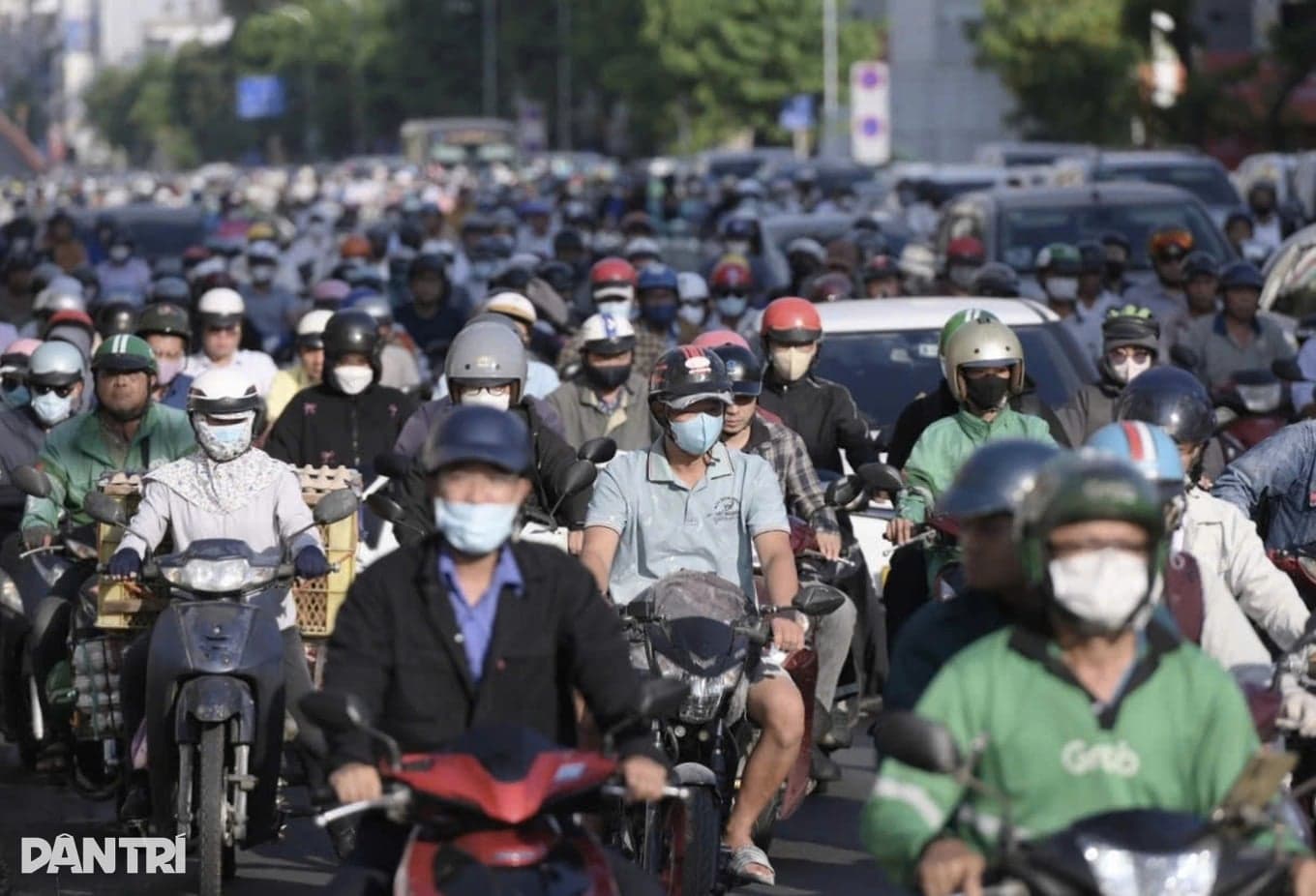
Many roads in Ho Chi Minh City have been narrowed by metro and other major construction projects, increasing the risk of congestion at the end of the year. Traffic police have prepared 29 response plans and will manage traffic remotely in five high-risk areas.
The Ho Chi Minh City traffic police department, PC08, said its review found 250 construction projects on roads across the city. Work has been completed at 174 of them, while 76 are still under way.
The areas around Metro Line 2 construction on Truong Chinh Street and Cach Mang Thang Tam Street, the Bay Hien area and connecting roads face the highest congestion risk, especially from 6:00 to 9:00 and from 16:00 to 19:30.
At S10 station on Truong Chinh Street, barriers once narrowed the roadway toward the city centre from about five lanes to 3.5 lanes. Traffic routes have also been adjusted on several roads around Bay Hien and Tao Dan stations to make way for construction.
According to PC08, narrower roads reduce traffic capacity, while large volumes of vehicles create particular pressure at intersections at both ends of the barriers. Traffic diverted to nearby streets could produce a chain reaction of congestion.
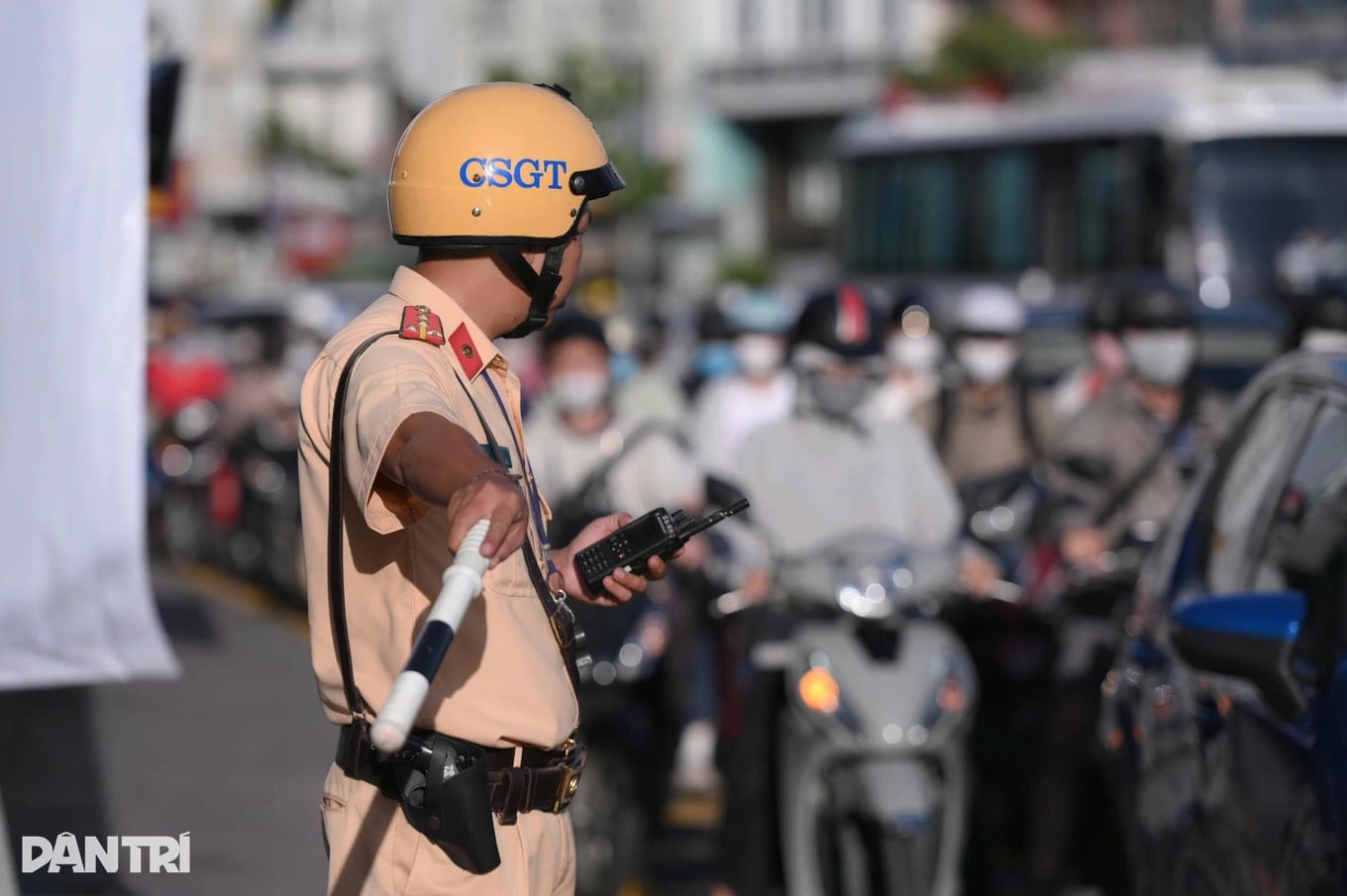
PC08 has prepared 29 plans to prevent and resolve congestion. Traffic will be managed remotely in five high-risk areas, while more officers will be deployed at intersections, construction sites and connecting roads during peak hours.
Using surveillance cameras and officers on the streets, traffic police will identify emerging congestion, regulate vehicle flows and coordinate with the Department of Construction, local police, youth volunteer units and construction contractors.
If congestion continues for a long time, officers will regulate traffic at intersections ahead and divert vehicles to roads that can still handle more traffic. In crashes and breakdowns, clearing the scene and restoring traffic flow will take priority.
PC08 is also reviewing traffic arrangements with other agencies. Contractors are being asked to reduce the size of barriers, carry out work in stages, restore road surfaces sooner and avoid storing materials during peak hours. The department has also proposed adjusting signal cycles to actual traffic volumes and adding signs for remote traffic guidance.
Flexible lane arrangements are already being used on Truong Chinh Street. During the morning peak, 4.5 lanes are allocated toward the city centre. In the evening peak, the direction toward An Suong is expanded to four lanes. The measure is intended to improve traffic flow.
PC08 advises residents to check traffic conditions in advance, choose suitable routes and travel times, and avoid construction areas during peak hours where possible. Road users should follow traffic directions, avoid stopping without a reason and not change lanes abruptly.
PC08 said the progress of major construction projects must be maintained alongside safe and smooth traffic flow. Otherwise, solving congestion in one location could create a bottleneck elsewhere.
Sources: Dân Trí