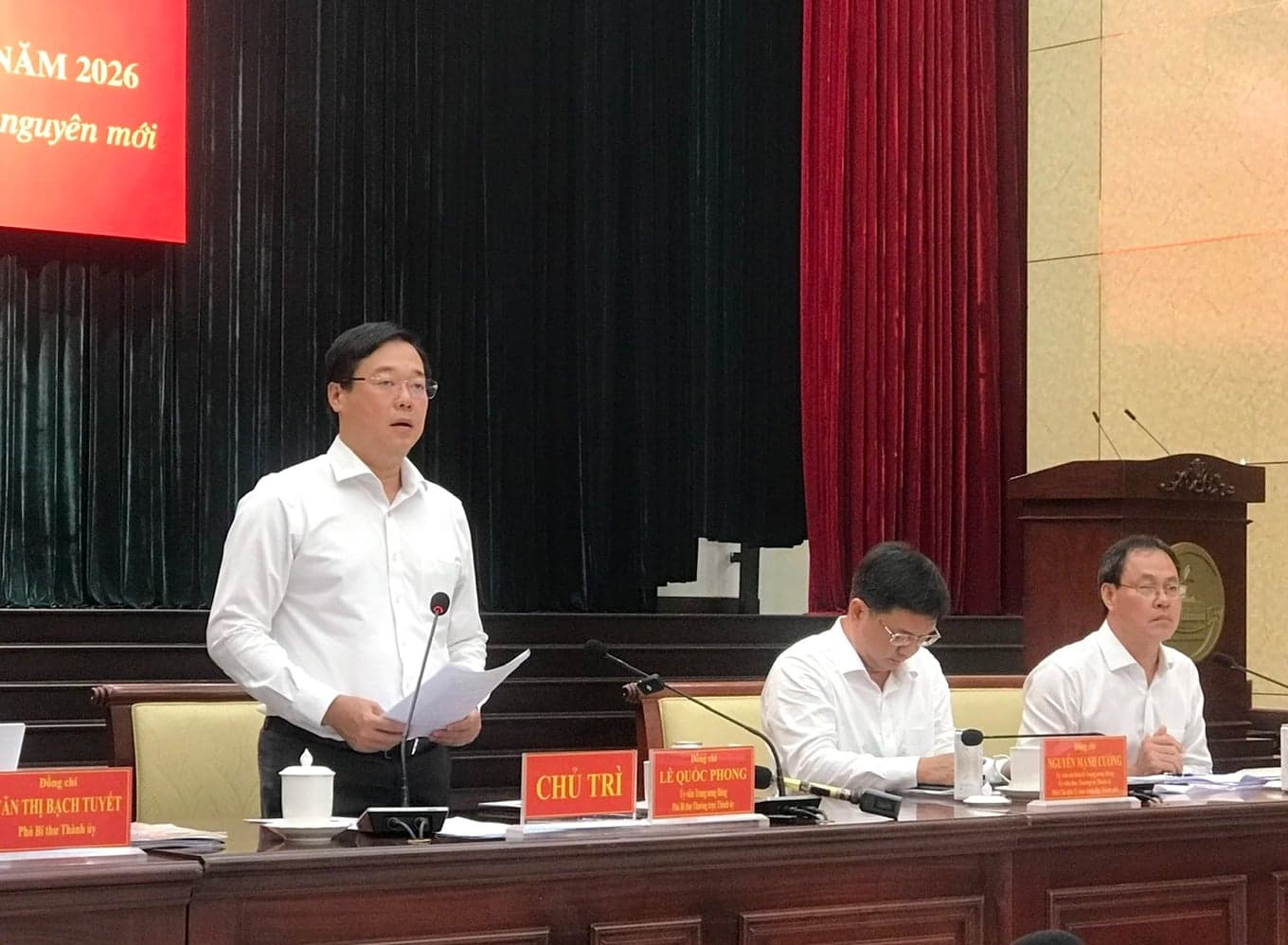
Le Quoc Phong, standing deputy secretary of the Ho Chi Minh City Party Committee, proposed on November 11 that the municipal Department of Industry and Trade work with major supermarket chains to open displays for the city's OCOP products.
He said OCOP products should enter modern distribution channels as soon as possible. The work could begin during an OCOP festival planned for late 2026 and then continue regularly.
Supermarket displays could help OCOP products reach buyers
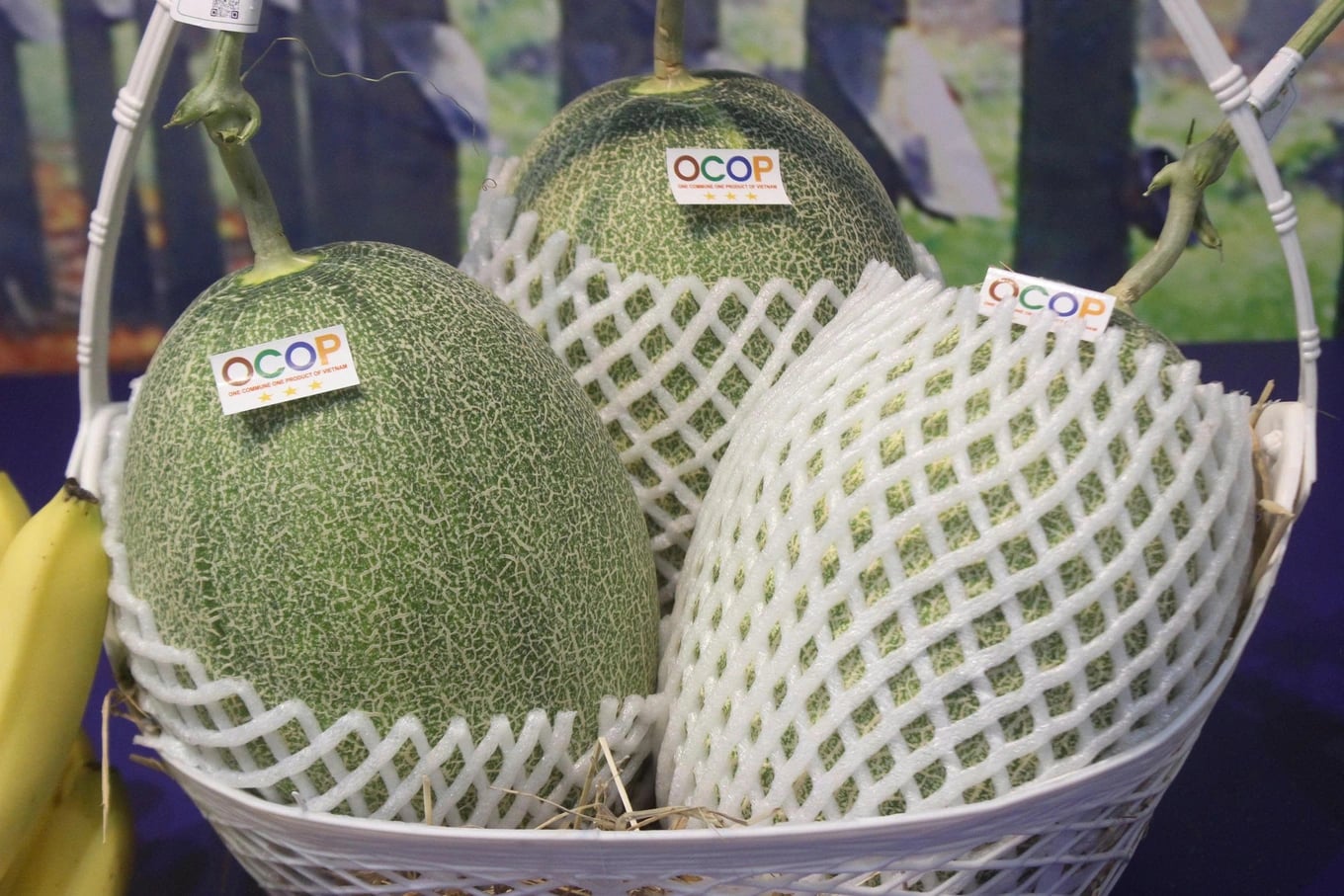
At a meeting with city leaders, farmers and their organizations, Le Quoc Phong said Ho Chi Minh City currently has 1,047 OCOP products, part of the One Commune, One Product program. Most have a three-star rating, about 20–25% have four stars, and producers are still completing applications for five-star ratings.
Some distributors, including Saigon Co.op and Bach Hoa Xanh, already accept OCOP products. The city wants to widen access to retail networks, especially major supermarkets, so local products can reach more consumers.
The city leadership asked the Department of Industry and Trade to discuss displays for Ho Chi Minh City's OCOP products with major supermarkets.
"If we start during the OCOP festival week at the end of this year and keep it going, I believe it will greatly support farmers," Le Quoc Phong said.
He said bringing products closer to consumers would expand sales and encourage OCOP producers to improve quality, packaging and presentation while seeking higher ratings.
Products seeking four or five stars must meet higher requirements for production processes, quality, appearance and overall value. In modern retail, agricultural products need suitable packaging and presentation as well as good quality.
Le Quoc Phong also called for easier access for farmers and cooperatives to supermarkets, including simpler receiving procedures and payment methods.
One option under consideration is consignment sales. This could reduce cash-flow pressure and help small producers enter distribution networks.
Many farmer and cooperative representatives at the meeting raised difficulties with sales.
Nguyen Hong Quyet, director of the Kim Long high-tech agricultural cooperative in Phu Giao Commune, asked the city to help cover testing costs, document preparation, packaging, labels, origin tracing, and procedures to renew or upgrade OCOP ratings.
These steps require funding and specialist expertise, while many cooperatives and producers have limited financial capacity. Assistance with product development would help them meet OCOP requirements and the standards of modern distribution channels.
Production links and access to support policies
Le Quoc Phong said Ho Chi Minh City farmers need to change production methods and cooperate more closely to create stable supplies with consistent quality.
After its merger with Binh Duong and Ba Ria–Vung Tau, the city's agricultural development area expanded and its sector became more diverse.
However, production land is limited. Farmers therefore need to create more value from existing areas through science and technology, digital transformation and innovation.
"We cannot keep demanding that land areas expand," Le Quoc Phong said. He suggested organic production, products that are safe for health and the environment, and using agricultural by-products to create new products with higher added value.
Do Ngoc Huy, standing vice chairman of the Ho Chi Minh City Farmers' Association, also discussed the role of successful farmers and producers.
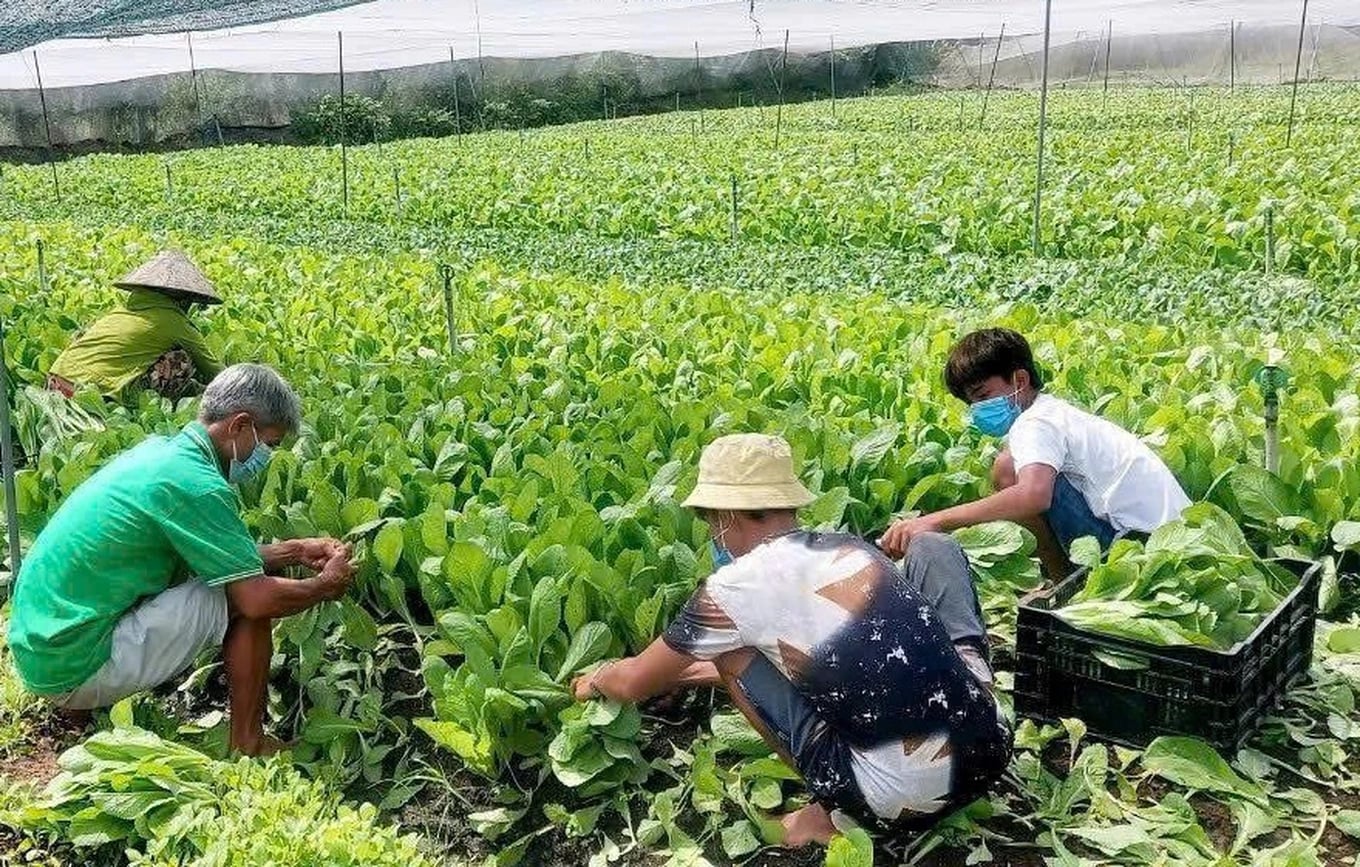
He said many city farmers already use technology in production, including greenhouses, water-saving irrigation systems and smart sensors. They are also expanding mechanization, cold storage, deep processing and sales through e-commerce platforms.
Several other proposals on agricultural production and sales were submitted to Ho Chi Minh City leaders at the morning meeting on November 11.
Huynh Thi Ngoc Diep, chairwoman of the Phuoc Hai Commune Farmers' Association, proposed support for fishers to replace or upgrade their fishing equipment.
Dang Thi Thoa, head of the An Long Commune Club of Successful Farmers and Producers, called for stronger inspections and penalties for the use of banned substances in livestock production.
In his conclusion, Le Quoc Phong instructed departments and agencies to address the farmers' proposals soon. He said the goal is to develop modern, sustainable agriculture, increase production value and raise the sector's contribution to the city's growth.
He said helping agricultural products, especially OCOP products, reach distribution networks and consumers would be a practical form of support for farmers.
Sources: Dân Trí