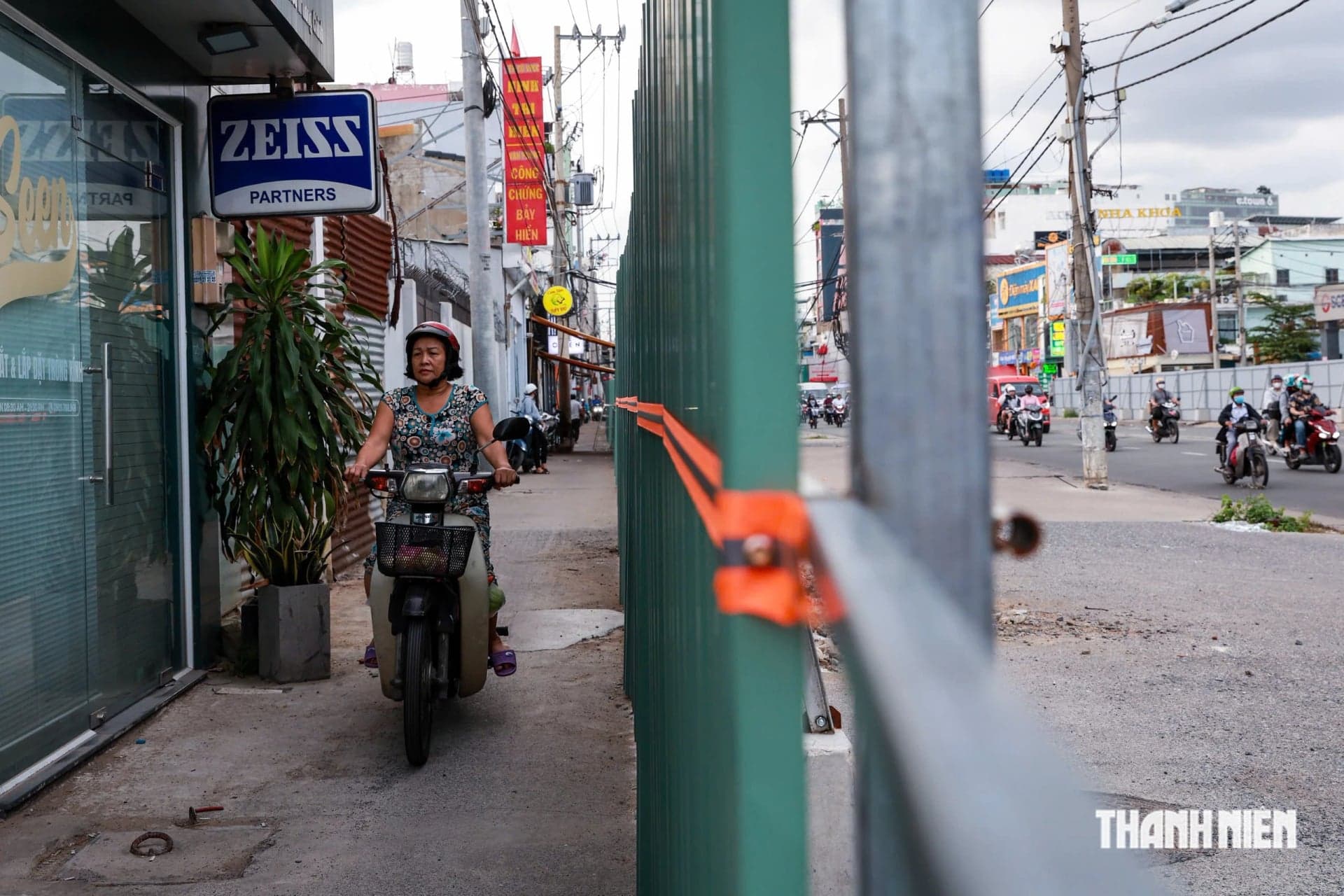
Metro line 2 construction is narrowing several sections of Truong Chinh and Cach Mang Thang 8 streets in Ho Chi Minh City. Residents should take the traffic situation into account when travelling along these roads.
The Ho Chi Minh City traffic police department reported on traffic conditions around the barriers at metro line 2 construction sites, particularly on Truong Chinh and Cach Mang Thang 8 streets.
According to statistics, 250 road construction projects are being carried out in Ho Chi Minh City. Of these, 174 have been completed and 76 are still under way.
Metro line 2 construction sites on Truong Chinh and Cach Mang Thang 8 streets, in the Bay Hien area and on connecting roads face a high risk of congestion. The risk is greatest from 6:00 to 9:00 and from 16:00 to 19:30.
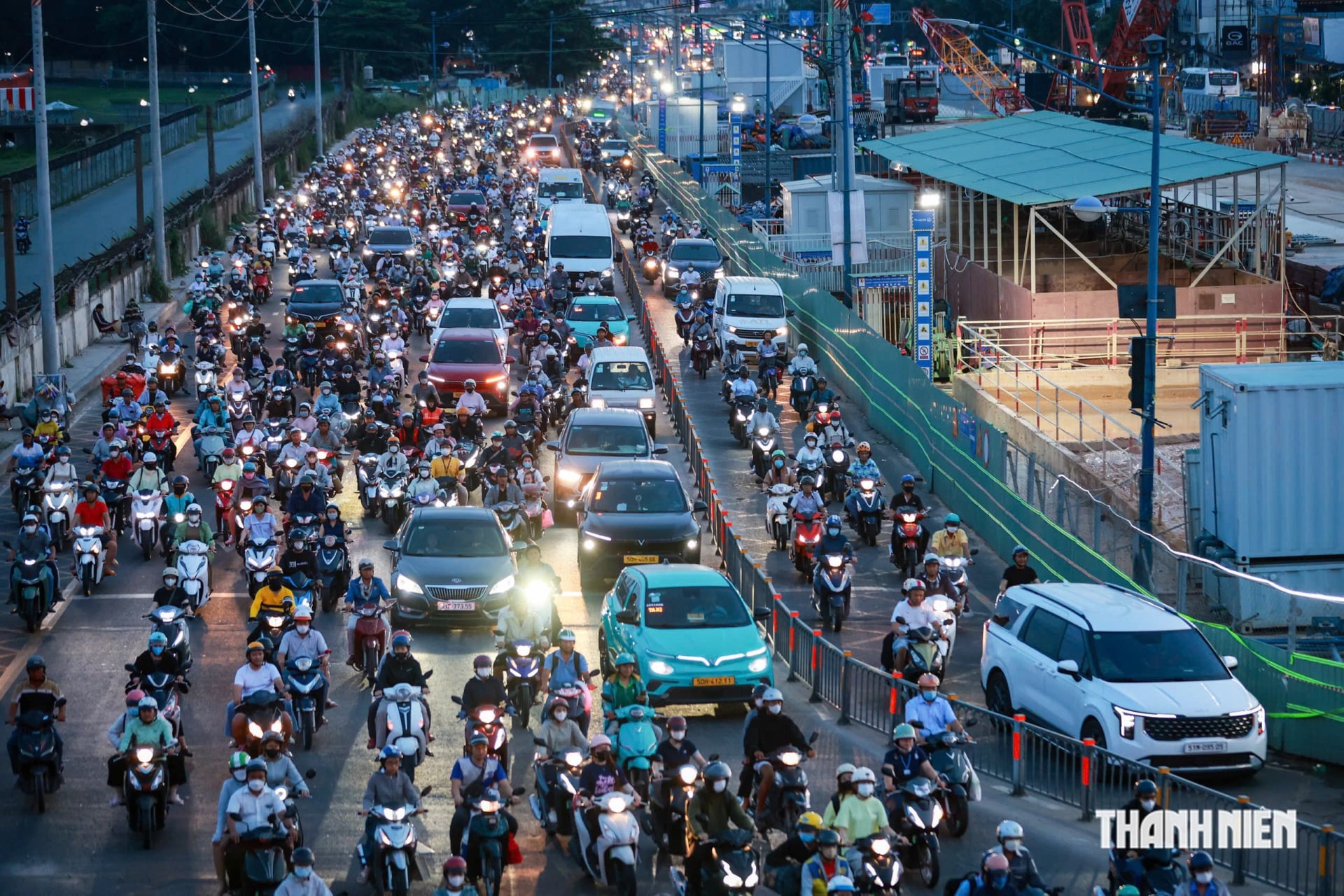
Near the S10 station construction site on Truong Chinh Street, barriers temporarily narrowed the carriageway towards the city centre from about five lanes to 3.5 lanes. Traffic directions on several roads around Bay Hien and Tao Dan stations also had to be adjusted.
Traffic police said congestion is caused by the narrowed carriageway and by traffic volumes exceeding road capacity, especially at intersections on both sides of the barriers. Vehicles move to nearby roads when a bottleneck appears, so congestion can spread. Traffic pressure is expected to increase at the end of the year as travel and freight transport demand rises.
Checking barriers and adjusting traffic lights near construction sites
Traffic police will continue working with the Department of Construction and investors to review traffic-management plans for each project.
Contractors have been told to reduce barriers, work in stages and restore the road surface when conditions allow. They must also keep materials and construction equipment from obstructing traffic during peak hours.
Traffic-light cycles will be adjusted to match actual traffic volumes, lanes will be managed flexibly and additional signs will direct drivers to alternative routes before the construction areas.
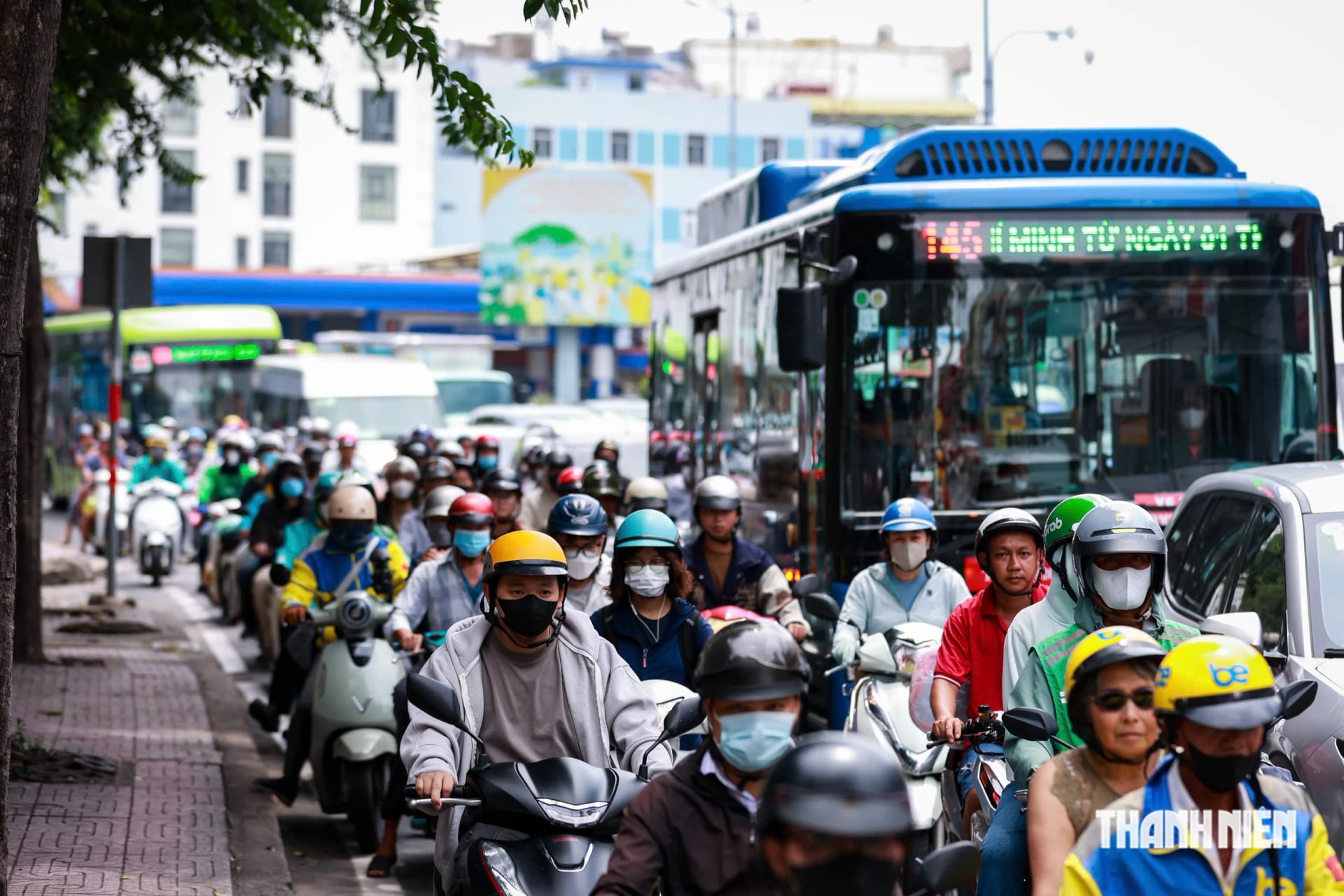
Traffic police will increase checks on investors and contractors responsible for road safety and handle construction or road-occupation violations.
One measure already in use is flexible lane management on Truong Chinh Street. During the morning peak, 4.5 lanes are allocated towards the city centre. During the evening peak, lanes towards An Suong are increased to four. This has helped improve traffic flow.
Traffic police will continue assessing the results and consider applying the measure at other suitable locations.
29 congestion plans and traffic diversion from a distance
Traffic police have developed 29 plans to prevent and resolve congestion and divert traffic from a distance across five priority areas. Units and stations will increase staffing at intersections, construction sites and connecting roads during peak hours.
Using surveillance cameras and reports from officers on the roads, traffic police will identify congestion risks early and regulate traffic. They will also coordinate with the Department of Construction, commune-level police, youth volunteers and contractors to deal with incidents.
When congestion lasts, officers will clear the bottleneck, regulate traffic at intersections ahead and divert vehicles to roads that still have capacity.
After a crash, vehicle breakdown or construction-site incident, traffic police will clear the scene and restore traffic. When necessary and safe, they will work with contractors to adjust the barriers.
Traffic police said the aim is to identify risks early and prevent local congestion from spreading to other areas instead of responding only after it has formed.
Sources: Thanh Niên