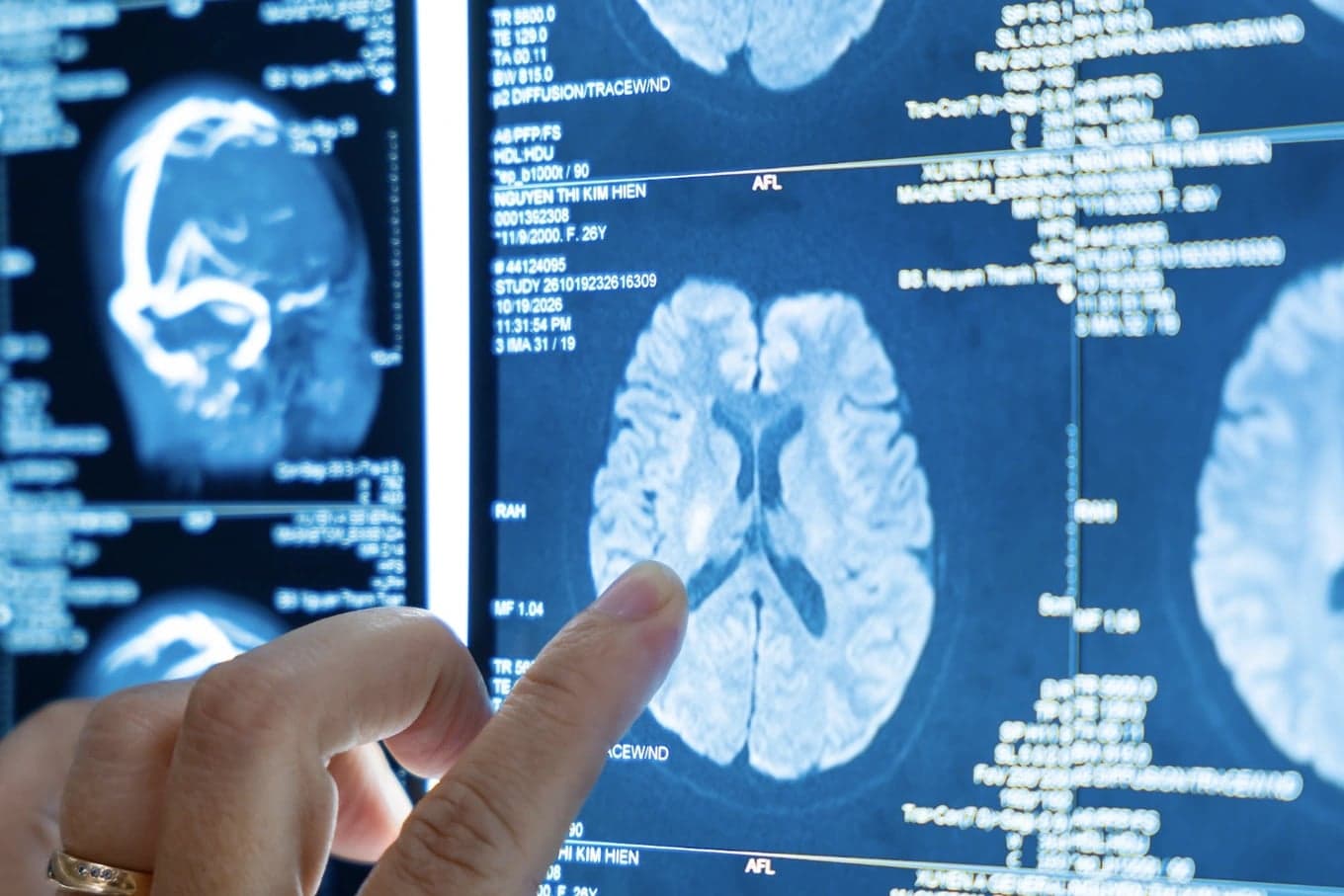
Stroke at 26
A 26-year-old resident of Cu Chi in Ho Chi Minh City was taken to hospital with sudden weakness on the left side of her body. She said that about an hour before admission, she was riding a motorbike when her left arm and leg suddenly became weak.
The sudden loss of strength meant that she could only stop the motorbike before falling. Passers-by quickly called an ambulance and took her to a local hospital.
When she arrived at the emergency department, doctors activated the hospital’s emergency protocol. She was diagnosed with an acute ischemic stroke.
Because she reached medical care within the “golden window”, doctors gave her intravenous thrombolytic treatment with rTPA. The treatment quickly restored blood flow through the blocked brain vessel and limited damage to brain cells.
The injection went smoothly. Her condition improved hour by hour after the intervention. She has now almost fully recovered, with no severe lasting effects, and her motor functions have returned to normal.
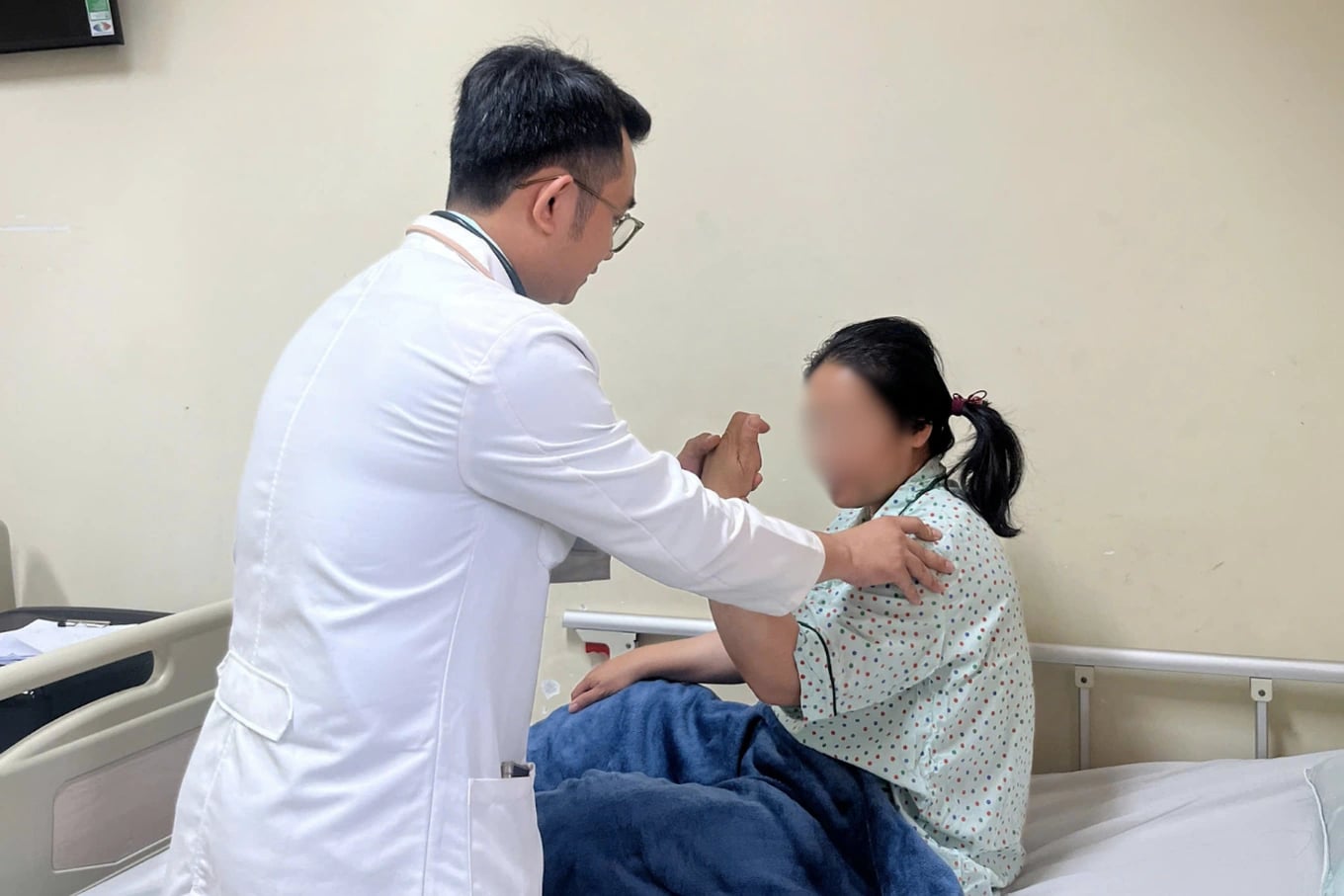
La Thi Tuyet Hoa, a doctor in the neurology department, said that the patient reported a long-term habit of drinking large amounts of alcohol. The doctor said this is one factor that can increase the risk of cardiovascular disease and stroke.
Alcohol and stimulant abuse combined with work pressure, a sedentary lifestyle or staying up late can raise blood pressure, disrupt fat metabolism and accelerate atherosclerosis. These are among the main causes of stroke in young people.
Serious diseases in young people
Doctors had also recently treated several other young patients in critical condition. L.Q.C., 42, from Tay Ninh Province, suddenly developed continuous pain in the left side of his chest after waking up.
Doctors diagnosed an acute myocardial infarction. The left anterior descending artery was 70–80% narrowed and contained a blood clot. The interventional cardiology team inserted a drug-eluting stent, restored coronary blood flow and treated the patient intensively for five days.
Another 42-year-old patient, T.T.H., had a history of smoking. He suddenly developed severe stabbing pain in the left side of his chest and shortness of breath during normal activity. A regional medical facility diagnosed an inferior-wall myocardial infarction and quickly transferred him to a higher-level hospital.
Coronary angiography found an acute blockage in the right coronary artery, along with several blood clots. Doctors urgently performed balloon angioplasty, inserted a drug-eluting stent and restored blood flow through the blocked section.
After the intervention, the patient was monitored in the intensive care unit for 24 hours to control the risk of complications after the heart attack. He was discharged after five days of treatment.
Doctors warned that strokes in young people often develop suddenly and can cause severe disability without timely emergency care. Myocardial infarction can also occur in young and middle-aged people, especially those with risk factors such as smoking, high blood pressure, abnormal blood fat levels, diabetes, being overweight, little physical activity or a family history of early cardiovascular disease.
Doctors advised people, especially young adults, to maintain a healthy lifestyle, limit alcohol, avoid smoking, control underlying conditions and have regular health check-ups.
If someone shows possible stroke symptoms, such as a drooping face, facial weakness, difficulty speaking or weakness in one arm and leg, or heart-attack symptoms such as persistent chest pain or pressure, pain spreading to the shoulder, arm, neck or jaw, shortness of breath, cold sweats or dizziness, call an ambulance immediately.
People should not try to treat the patient at home with folk remedies or delay taking them to a medical facility. Prompt emergency care at a suitable medical facility gives the patient a chance to receive treatment within the “golden window” and reduces the risk of death and severe disability.
Sources: Dân Trí