A metro line may begin as lines on a map, but its value appears in ordinary journeys. Workers have more choices about where to live while keeping a convenient commute, students can reach school from a more distant area, and families spend less time allowing for delays before each appointment.
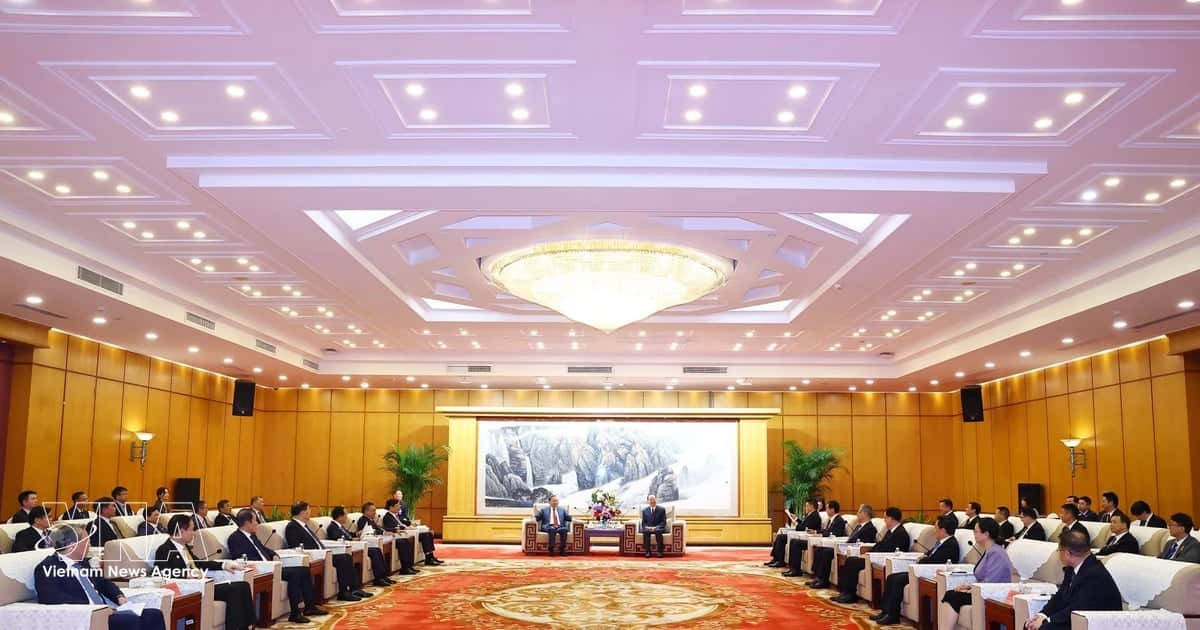
On October 15, Hanoi held the signing of contracts to implement five urban railway lines, Nos. 1, 2, 8, 10 and 14. Their combined planned length is about 253.5 km, and completion is targeted for 2030.
The city chose turnkey contracts and capped the average contract value for underground sections at no more than USD 120 million per kilometre. That scale requires major resource mobilisation and disciplined project management. From a financial planning perspective, an investment decision should be assessed by both the quality of the infrastructure and the development opportunities it creates. Budget money is spent during one period, but the benefits and obligations of today's decision will stay with the city for many years.
A turnkey contract concentrates responsibility for design, procurement, construction and system integration. When the contractor controls implementation, the state must define the delivered system's capacity, reliability, maintenance conditions and ability to connect with other services.
A fixed-price commitment can be tested only when the required output is specific enough. Contract discipline also requires the state side to meet its obligations on site clearance, procedures and payments under the agreement. Problems within a government agency's responsibility need an owner, a deadline and a tracking mechanism, just like the contractor's work. Doing this well helps limit delays and prevent avoidable requests for extensions or compensation. Every change should state its cause and effect on cost and schedule, and be approved at the proper level.
The general contractor's ability to mobilise resources should also be checked throughout implementation, alongside plans to protect the site and project records and to keep the project running if a breach occurs. The control mechanism must comply with the applicable law and contract. Clear rules give the parties a basis for action, reduce waiting time and keep responsibility with the people able to resolve the issue.
Transit-oriented development, commonly called TOD, creates more opportunities to use land efficiently and generate resources. Each node, however, needs a suitable plan for transfers, land use and services.
An education or technology district has different needs from a commercial area or an airport gateway. Hanoi has issued Plan 324/KH-UBND to implement Resolution 67/2026/NQ-HĐND of June 15 on revenue from increased value in TOD areas. The plan calls for studies of a TOD advantage coefficient, revenue from using local railway infrastructure assets, infrastructure improvement fees and public-transport connection fees. Whether each item can enter the financial plan still depends on the applicable rules, liable parties and the actual timing of collection.
The finance agency must count the cost of creating a land fund, infrastructure and obligations that arise before revenue begins, while also preparing for revenue that is late or lower than forecast. It should track passenger numbers and access to jobs and services as well. If a station is completed before its connections are built, the benefits will arrive later. If density rises before infrastructure is ready, pressure may concentrate at the station entrance. Metro construction, urban development and revenue generation therefore need one coordinated plan.
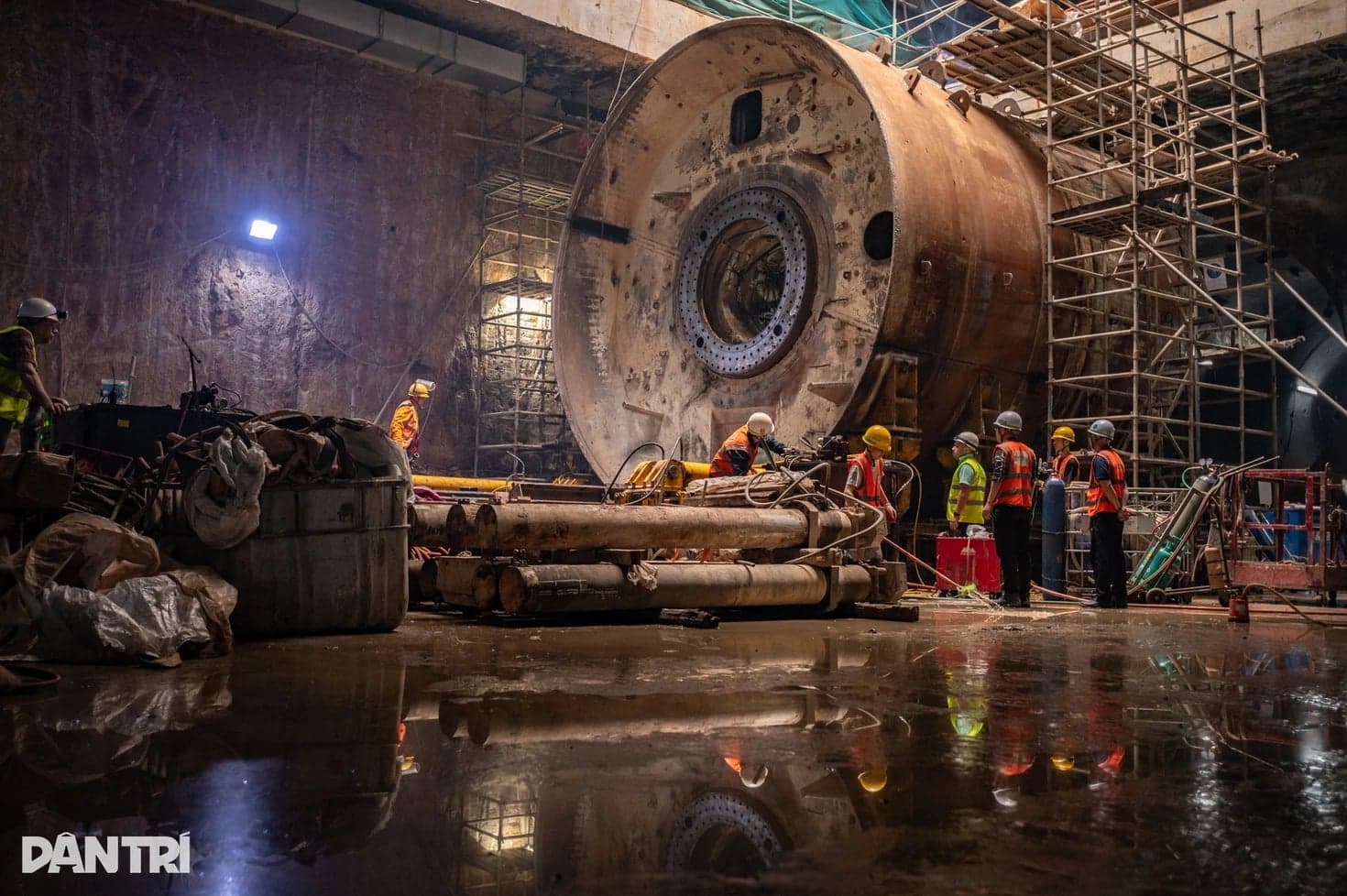
The 2030 target requires coordination capacity matching the scale of implementation. Worksites may proceed in parallel, but design, site clearance, electricity, spoil transport, component supply, installation and testing still have to follow the right sequence. A city-level coordinating body should resolve matters beyond an investor's authority, and every problem needs an assigned unit and a specific deadline. The schedule must allow enough time for integration, trial runs and operational preparation.
Acceleration should go together with surveys, monitoring of neighbouring structures, design checks and independent assessment. Warning thresholds should be tied to response actions. The finance agency does not replace technical authorities in making engineering decisions, but it needs to understand how each expenditure affects quality and the ability to finish. Careful preparation helps worksites operate more continuously, reducing the risk of stoppages and avoidable financial obligations. Completion should mean that the system is ready to serve passengers safely and conveniently.
Budget responsibility continues after handover. The city needs separate forecasts for fare revenue, non-fare revenue, operating costs, maintenance, equipment replacement, and the need to order services and provide subsidies. Public transport funding should be tied to service quality and long-term fiscal balance. Software rights, access to data and documentation, and the terms for repairs and upgrades should be set out in the agreement so domestic teams can take over the system independently.
Hanoi's planned network has 18 metro lines. Reasonable standardisation of technology, procedures and training could make it easier to deliver projects along the planned route. Throughout the investment process, the city council and residents need access to information as required by regulations, with approved, actual and forecast figures clearly separated. Transparency helps identify problems early and assess results against the same basis.
Within the capital's overall planning, metro offers a way to connect areas of development and improve the return on other investments. Financial planning should help turn that opportunity into infrastructure that operates, services that can be maintained and benefits residents feel in daily life.
Funding metro construction must go with the preparation needed to turn money into real transport capacity. If travel becomes easier, access to education and jobs expands, and the city can still meet essential needs, the investment will create long-term value.
Author: Le Trung Hieu, Deputy Director of the Hanoi Department of Finance. This article reflects the author's personal view and does not replace official conclusions by the competent authorities.
The Point of View section welcomes readers' comments on the article.
Sources: Dân Trí