By November 9, 102 of 177 surveyed countries, or 57.6%, were facing energy difficulties. Vietnam was among 13 countries that maintained stable power and fuel supplies.
A six-month blockade of the Strait of Hormuz pushed Brent crude to as much as $118.35 per barrel. Record heat and an extreme El Niño event sharply increased electricity demand, while annual hydropower generation is expected to fall by about 18.5 billion kWh from 2025.
Vietnam was one of 13 countries that largely maintained electricity and fuel supplies for socioeconomic development.
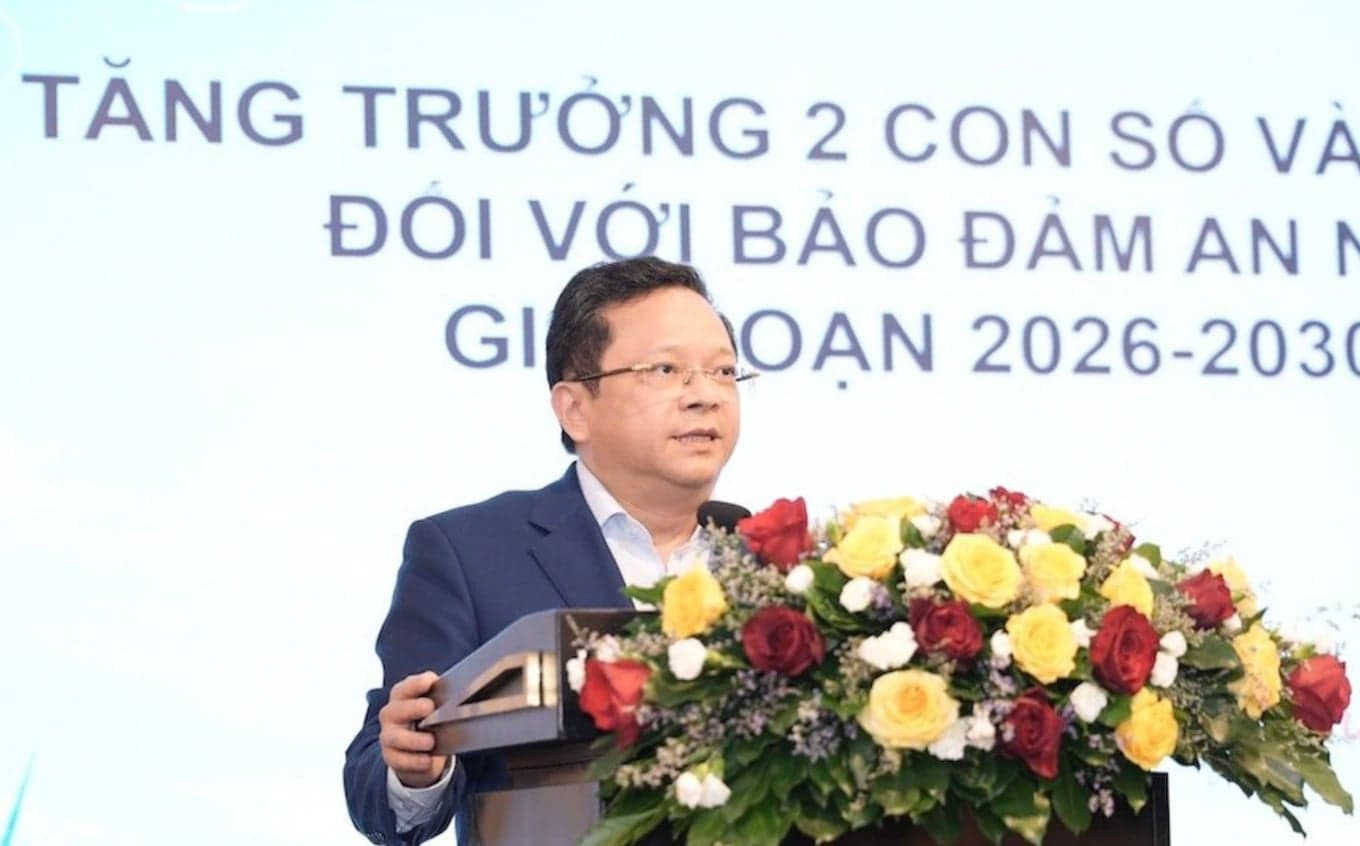
The figures were presented at the Energy for Sustainable Development Forum in Ho Chi Minh City on November 19. Hoang Quang Phong, vice chairman of VCCI, described Vietnam's stable energy supply as a strong point amid changes in the global energy market. He said energy self-reliance supports the goal of double-digit economic growth.
The VCCI official said the positive results did not mean the risks had been fully resolved. The country's energy security still faces internal problems.
Dependence on imported supplies and international transport routes remains high, while petroleum reserves have not reached the expected level. Northern Vietnam continues to put heavy pressure on the power system, while many power generation and transmission projects are moving more slowly than required.
Public calculations by the Ministry of Industry and Trade show that without major changes, the northern and national power systems could face shortages. The projected capacity shortfall is about 4,300 MW in 2027. By 2030, it could reach 13,964 MW, with an estimated electricity shortfall of about 61.2 billion kWh.
Nguyen Duc Hien, deputy head of the Central Policy and Strategy Commission, said the 2026-2030 period sets an average annual GDP growth target in the double digits. Commercial electricity demand must grow by 11-12% per year, equal to 1.2-1.5 times economic growth. Gas-fired power is expected to grow by 13.2% per year, while renewables should account for 26.1% of primary energy supply by 2030.
Electricity production is growing by an average of 10.3% in 2026, below the initial target of 11-12%.
Vietnam has moved from being self-sufficient in energy to becoming a net importer of primary energy. Its dependence on imported energy rose from 8.4% in 2015 to 44% in 2025.
The country's primary energy mix still depends heavily on fossil fuels. Coal accounts for 55% of total primary energy supply, oil for about 26%, gas for about 5%, and hydropower and renewables for roughly 13%. Coal consumption rose by 38% and oil use by 21.4% over the period.
The energy transition has become a requirement for Vietnamese companies that want to continue operating and growing in an increasingly demanding global market.
Many manufacturers now require rooftop solar systems to be included in factory designs from the planning stage. Energy startups are also becoming more common and could support a more flexible national energy transition if connected effectively with investment funds.
Forum speakers cited high upfront costs, long payback periods, a lack of coordinated policy and a shortage of suitable green finance tools as practical barriers for the private sector.
Hoang Quang Phong said Vietnam needs an overall action strategy to build an energy system that is modern, safe, efficient and able to adapt to changes in technology and markets.
Along with improving institutions and policy and investing in transmission infrastructure, management should focus on innovation, new technologies, mobilizing social investment and expanding public-private partnerships.
Sources: Dân Trí