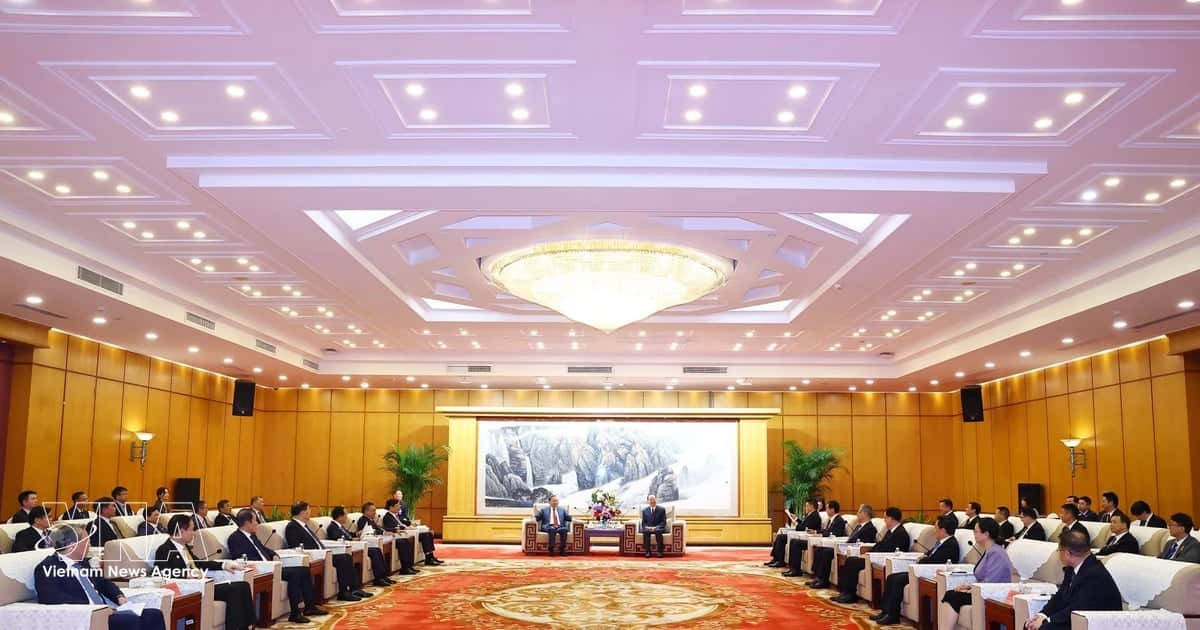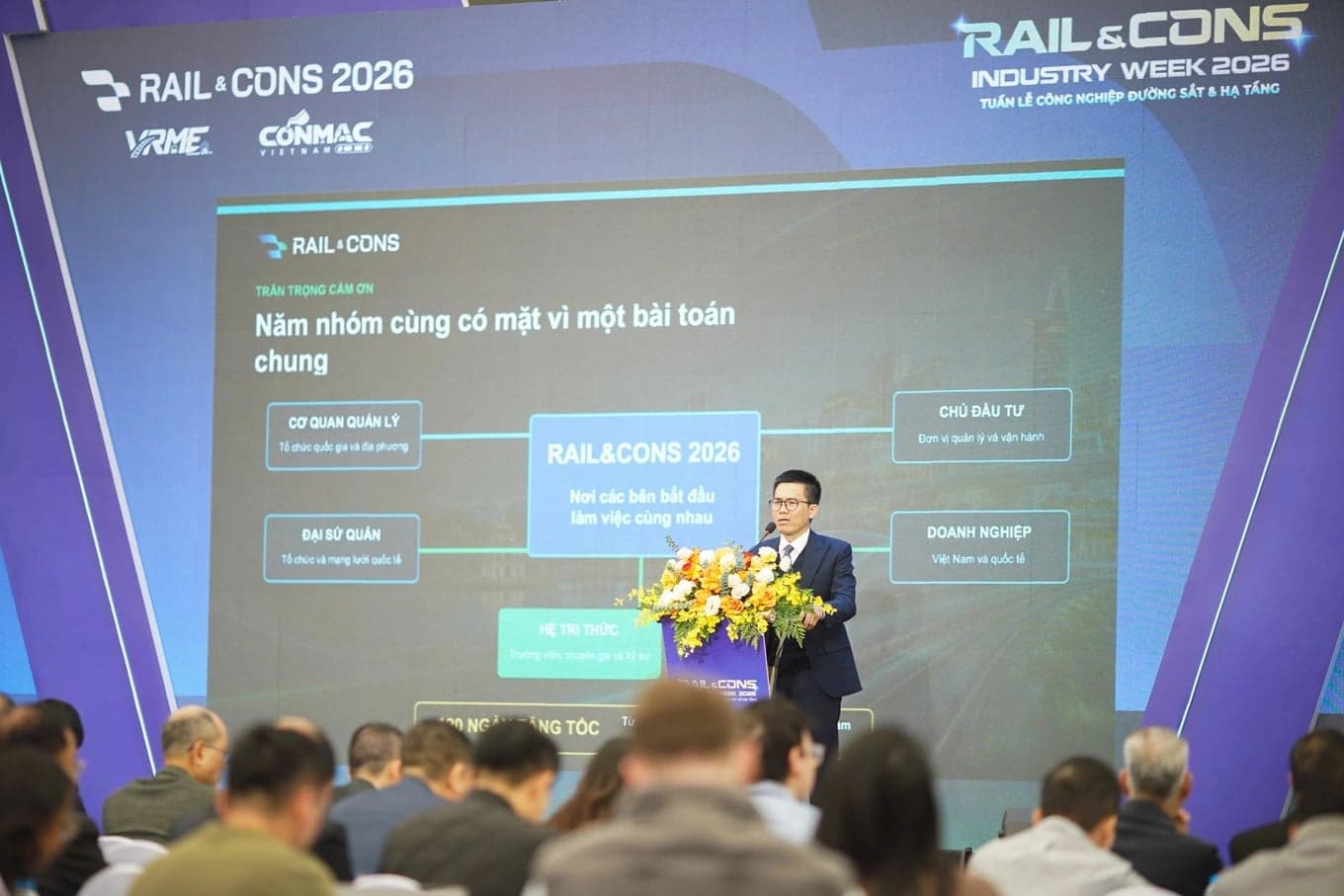
At Vietnam Rail and Infrastructure Industry Week 2026, which opened in Hanoi on November 11, experts identified five tasks for sustainable industry development: financing, technology, human resources, domestic supply chains and data.
Vietnam is preparing to implement several high-speed and urban railway projects. The country therefore needs to develop production, operations and maintenance alongside modern construction, gradually reducing its dependence on imported technology and equipment.
Five tasks for sustainable industry management
Speaking at the event, Tran Dinh Tung, chairman of the Vietnam Society of Civil Engineers (VSCE), identified five major issues: financing, technology, human resources, domestic supply chains and data.
"Modern railway development should focus not only on safe, high-speed lines but also on how they connect with economic and urban planning. Funding mechanisms should therefore be considered together with operating efficiency and transit-oriented development (TOD)," Tung said.
Nguyen Ngoc Cuong, director of the National Data Center under the Ministry of Public Security, said modern railways involve more than tracks, trains and stations. The system also relies on signalling control, communications, sensors, operational monitoring and safety technologies.
He said infrastructure modernization should be linked to science and technology, innovation and digital transformation. Data governance, security and operational safety are important parts of that process.
Building information modelling (BIM), sensors and artificial intelligence can support structural monitoring, damage prediction and maintenance work.
Human resources remain one of the industry's challenges. Experts proposed moving from training based only on academic fields to competency frameworks for specific roles, including bridge, tunnel and track engineers, signalling and telecommunications specialists, power supply staff, controllers and operations safety personnel.
Universities and companies should expand cooperation through placements at construction sites, maintenance facilities and operators. Technology transfers should also include on-site training instead of stopping at the delivery of equipment and technical solutions.
Localization to reduce dependence on imported equipment
Another issue is the participation of domestic companies in supply chains. Opportunities arise not only when new railways are built but throughout the facilities' life cycle, from operations and maintenance to spare parts, repairs and upgrades.
Vietnamese companies must meet demanding requirements for technology, quality management, technical standards and certification of specialized products.
Tran Thi Ngoc Thao, deputy general director of Daechang Vietnam JSC, said the company had received technology from South Korea and produces specialized products and equipment for bridge, road and railway infrastructure at its factory in Hung Yen Province.
By gradually mastering the technology, expanding localization and producing specialized products and equipment itself, the company has supplied products for more than 80 bridge, road and railway infrastructure projects.
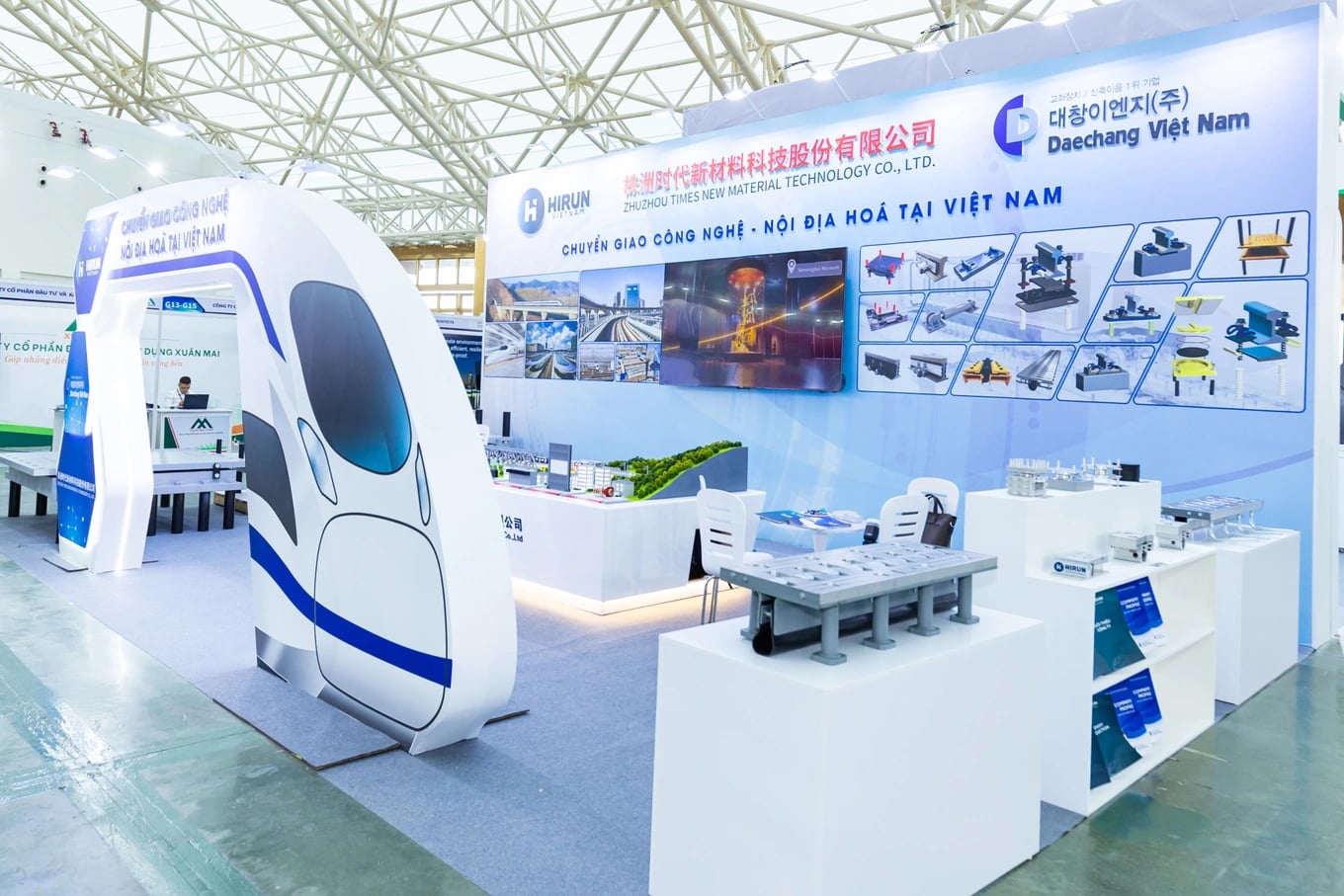
"We see localization not only as a way to optimize costs, control schedules and maintain quality, but also as a foundation for developing the domestic railway industry. Having a factory and a technical team in Vietnam allows the company to provide supplies, technical support, maintenance and repairs on time. This improves reliability, operational safety and the efficiency of infrastructure throughout its life cycle," Thao said.
According to the company representative, receiving, mastering and developing technology is the basis for increasing localization and gradually reducing dependence on imported equipment, especially for urban and high-speed railway projects.
At the event, Ta Tuan Duong, deputy director of Hoa Phat Dung Quat Rail and Special Steel JSC, said Hoa Phat Group was investing in a plant producing rail steel, rail fasteners and special steel products for railway infrastructure.
The project aims to secure domestic material supplies and give companies a deeper role in the railway industry's value chain.
According to Duong, localization should be linked to unified standards, testing, certification and product traceability. This would help domestic companies strengthen their capabilities and gradually take part in the design, production, operation and maintenance of railway facilities.
Sources: Dân Trí