
Historic centre
Start around Independence Palace and the central streets of the old administrative core. The Central Post Office, surrounding architecture, and nearby public spaces combine easily on foot. The condition and access of individual historic buildings can change during restoration, so verify before visiting.
War Remnants Museum
This museum provides difficult but important historical context for the war. Give it dedicated time and avoid scheduling an intense entertainment programme immediately afterwards.
Nguyen Hue and the Saigon River
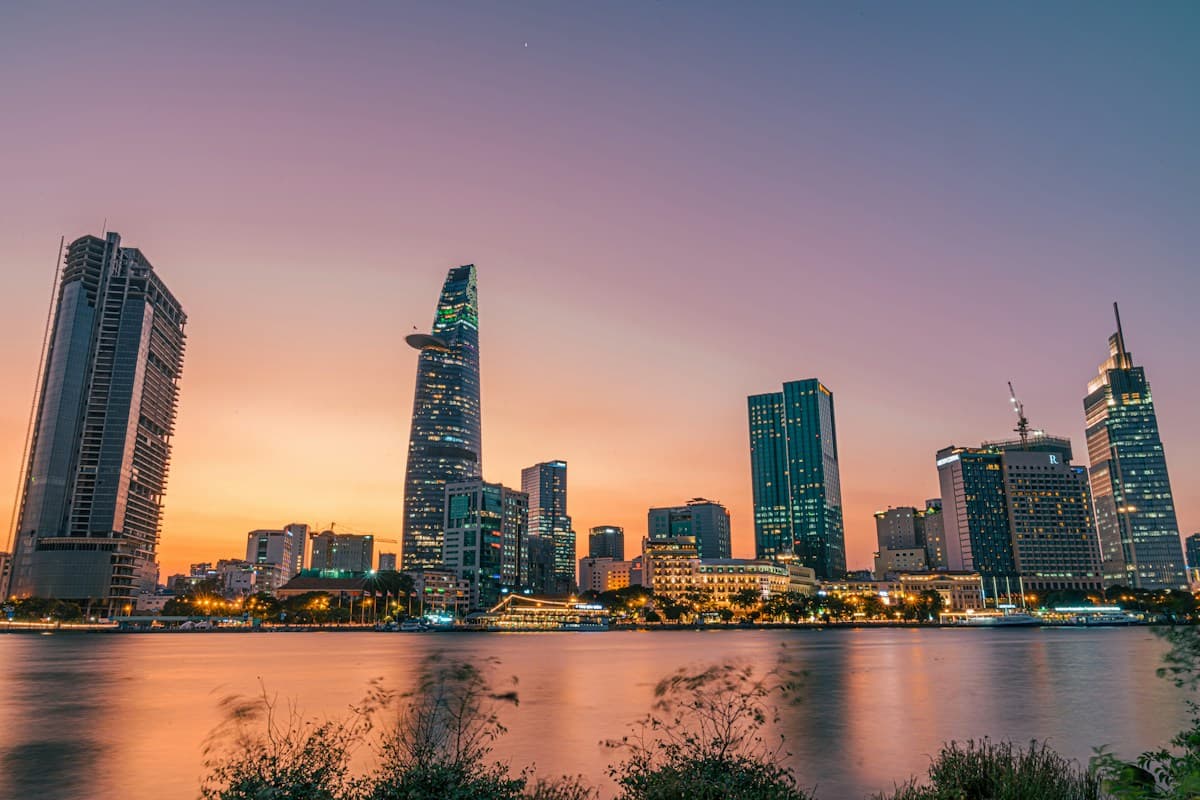
The Nguyen Hue pedestrian axis and the riverfront show contemporary Ho Chi Minh City: offices, cafés, public spaces, and evening city life. It is an easy route after sunset.
Cho Lon
Chinatown shows another side of the city: markets, temples, trading streets, and dense urban life. Go with several selected stops and enough time to walk rather than travelling there for one photograph.
Three-day itinerary
| Day | Idea |
|---|---|
| 1 | Independence Palace → central architecture → Nguyen Hue → river |
| 2 | War Remnants Museum → cafés → local central neighbourhoods |
| 3 | Cho Lon → markets/temples → flexible evening |
What you can skip
Not every popular place needs to be in your itinerary. If you dislike markets, do not visit one just because it appears in every top-10 list. If contemporary architecture and food interest you more, spend that time on neighbourhoods and restaurants instead.
Questions and answers
What should I definitely see in Ho Chi Minh City?
For a first visit: the historic centre, one strong museum, Nguyen Hue/the river, and one neighbourhood outside the tourist core.
How many days do I need?
Two or three full days is enough for a strong first introduction.
Is Cho Lon worth visiting?
Yes if you are interested in urban neighbourhoods, trading history, and temples; allow several hours.
Where should I go in the evening?
Nguyen Hue and the riverfront are easy central options, with restaurants and bars depending on your preferred style.