
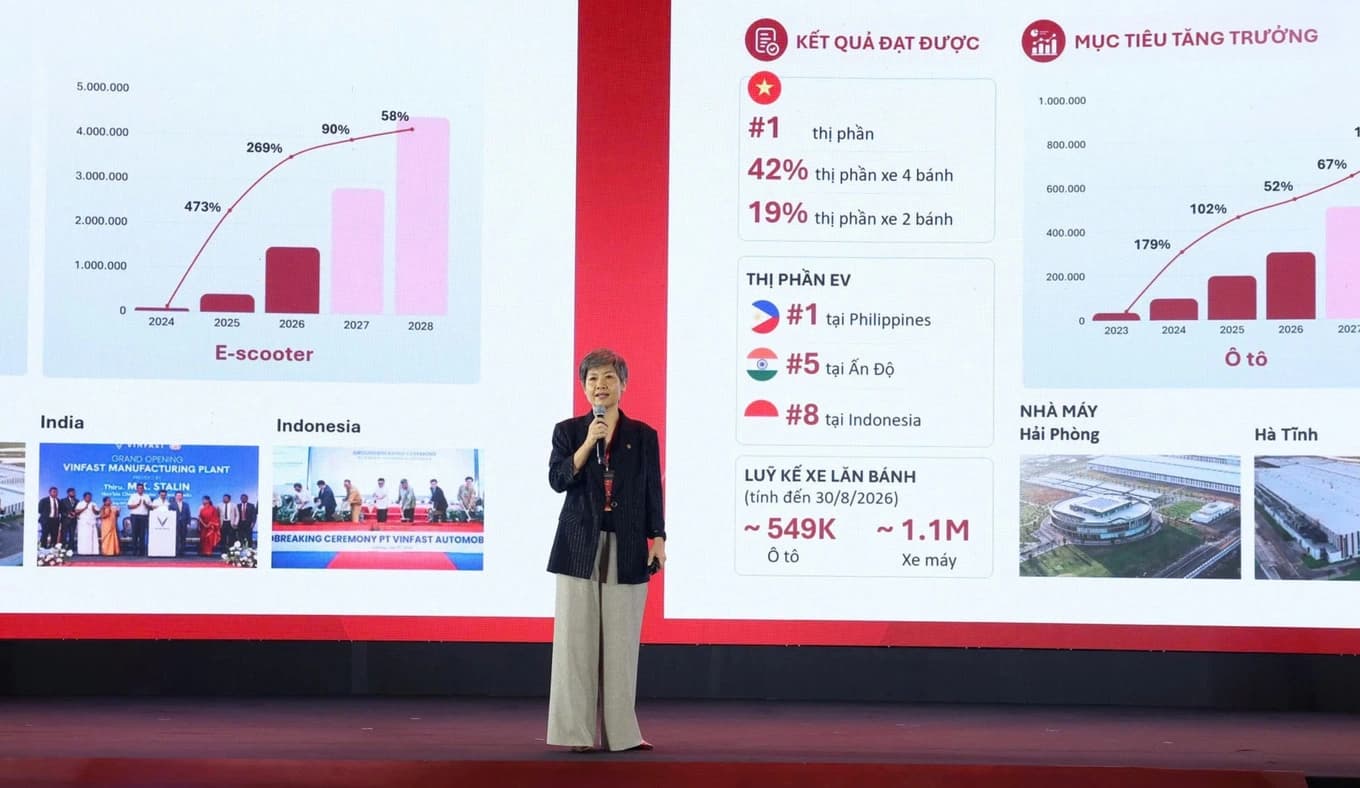
On October 16, at the 2026 Conference on Strengthening Localization and Developing the Supplier System, jointly organized by Vingroup and VinFast, the group announced a new policy to attract domestic companies into its supply chain. Nearly 1,000 businesses from industrial manufacturing, engineering, machinery, and processing took part in the conference.
According to Thai Thi Thanh Hai, vice chairwoman of Vingroup and global vice chairwoman of VinFast, companies that locate factories in Vinhomes and VinFast industrial parks will receive a 50% land-rent discount for the first three years and a 30% discount for the following five years.
The group also said it would share logistics infrastructure and a deep-water port system to support production and goods transportation.
It pledged to provide suppliers with stable demand by publishing production plans, providing output forecasts for 12 to 24 months, and signing long-term framework agreements.
In addition to site incentives and sales guarantees, the group will share technical information, advise on upgrading quality-management systems, support sample assessment, and connect Vietnamese companies with foreign partners for cooperation or technology transfer.
Through the VinFast network, Vietnamese companies will also have opportunities to supply factories in India and Indonesia.
Hai said the group wants to create additional markets for Vietnamese companies through the development of its member companies, especially in technology-intensive value chains.
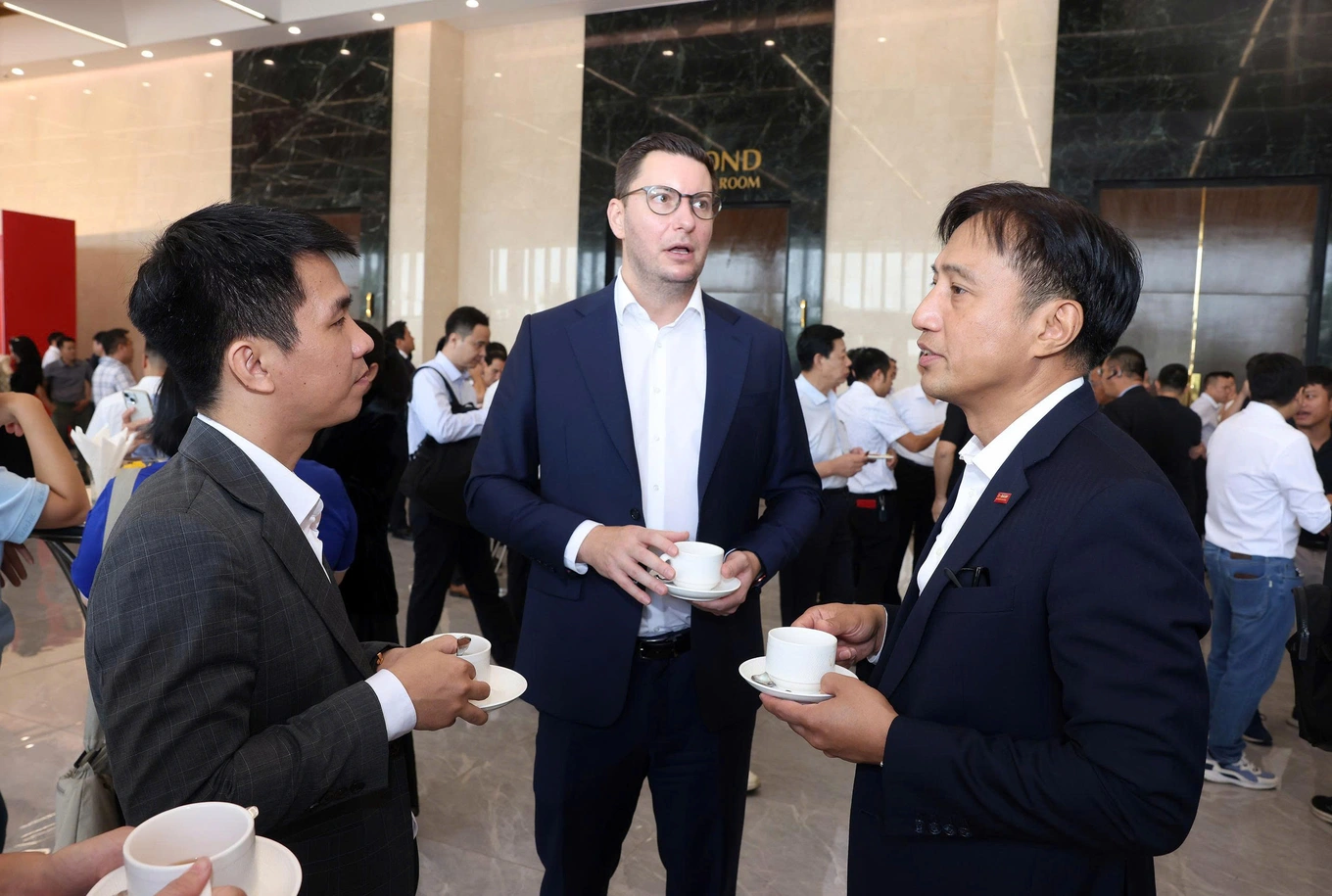
The group plans to expand its domestic supplier network beyond electric vehicles to include industry, technology, construction, infrastructure, green energy, trade, and services.
Vingroup and its member companies are carrying out several projects, including VinFast car and electric-motorbike factories in Hai Phong, Ha Tinh, India, and Indonesia; the VinMetal steel plant in Ha Tinh; Vinhomes urban developments; and transport-infrastructure projects.
The group also mentioned the Ben Thanh - Can Gio and Hanoi - Quang Ninh high-speed railway lines, five urban railway lines in Hanoi, and renewable-energy projects within the VinEnergo ecosystem.
These areas create demand for construction materials, steel, aluminum, electrical equipment, mechanical components, automation machinery, and technical services.
However, joining the supply chain requires companies to meet production, quality, and delivery-time requirements.
Phan Quoc Hoang, director of VinFast's procurement division, said the company is looking for suppliers of automation machinery, electronic components, mechanical products, raw materials, and technical services.
Partner selection involves several stages: assessing technical capacity, production capability, quality control, product testing, and project deployment.
Nguyen Hong Son, former deputy head of the Central Policy and Strategy Committee, said large companies play an important role in forming industrial ecosystems, connecting manufacturers, and improving the capabilities of small and medium-sized businesses.
According to Son, supply-chain development should be paired with technical support, workforce training, and higher quality standards. This would help domestic companies participate more deeply in value chains.
Sources: Dân Trí

