
On October 18 in Hanoi, in the presence of General Secretary and President To Lam, Minister of Industry and Trade Le Manh Hung, and representatives of the European Free Trade Association (EFTA) member states, Vietnam and EFTA signed the Vietnam-EFTA Free Trade Agreement (VEFTA).
The agreement creates opportunities to expand trade between Vietnam and EFTA's four member states: Switzerland, Norway, Iceland and Liechtenstein. Seafood is among the main groups of goods exported by EFTA countries to Vietnam and by Vietnam to those markets.
Norwegian salmon may receive a zero import tariff
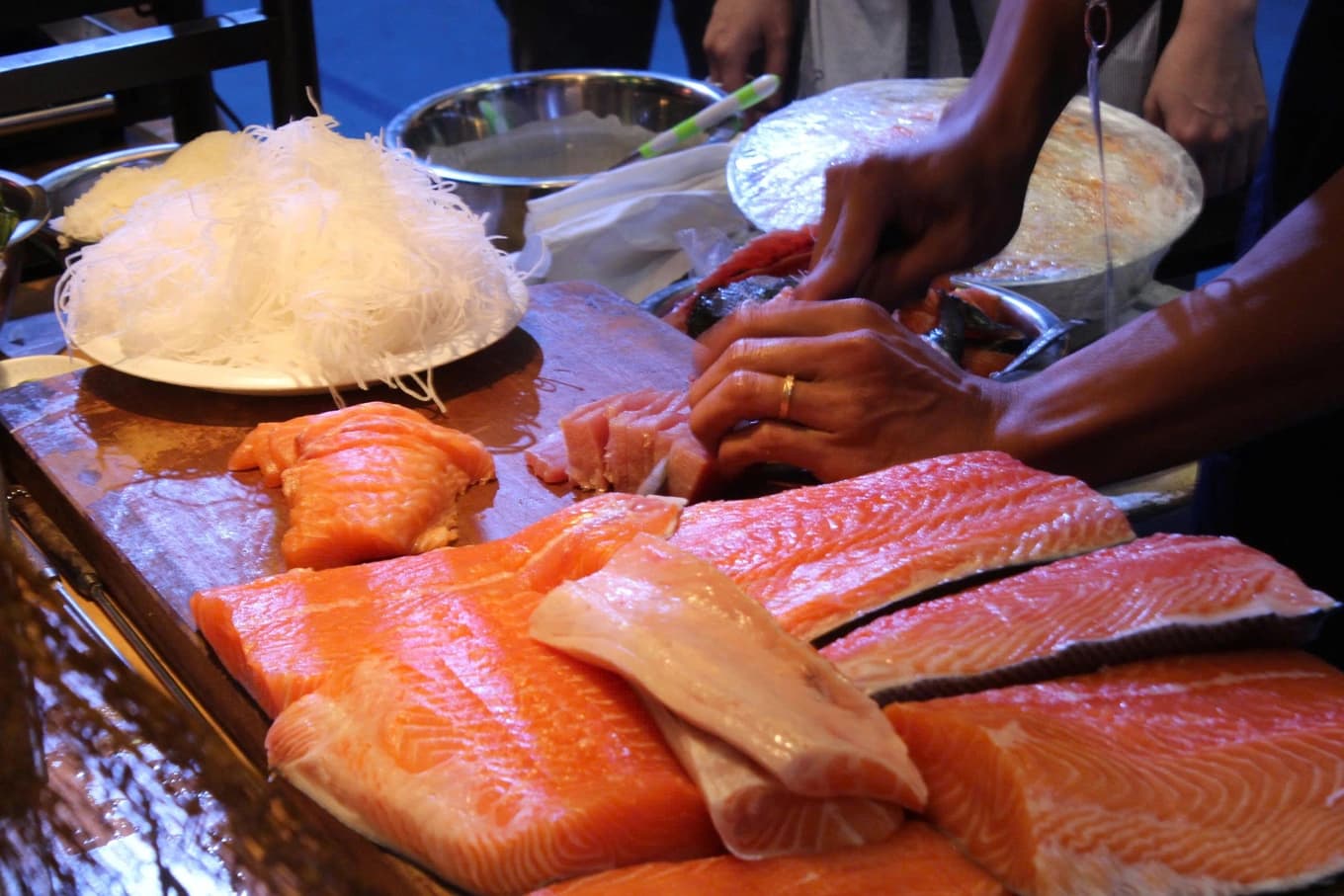
The Norwegian Seafood Council (NSC) said that once VEFTA takes effect, Norwegian salmon will be exempt from import tariffs when it enters Vietnam. The tariff on Norwegian mackerel will be removed under a three-year transition schedule.
Whole Norwegian salmon currently faces a 10% import tariff, while salmon fillets face a 15% tariff. Some other suppliers already receive tariff preferences under free trade agreements.
According to the NSC, imports of Norwegian salmon into Vietnam have exceeded 22,400 tonnes, more than the combined volume imported from several other major sources.
Removing the import tariff may improve the competitiveness of salmon from Norway in Vietnam and give importers more room to manage business costs.
Ashild Nakken, the NSC's regional director for Southeast Asia, said the newly signed VEFTA would allow Norwegian salmon to enter Vietnam tariff-free. She said simpler customs procedures would create a more level playing field for Norwegian salmon in Vietnam.
Nakken also said that smoother imports could help distributors, supermarkets and restaurants plan operations, manage inventory and maintain supply. The final retail price in Vietnam will depend on factors including exchange rates, transport and distribution costs.
Lower trade costs could also make Norwegian seafood easier for families to afford, Nakken said.
A price check at retail chains in Ho Chi Minh City found that imported Norwegian salmon is among the most expensive products in this category.
Norwegian salmon fillets cost VND600,000–800,000 per kilogram. That is considerably higher than salmon imported from other countries, which sells from VND350,000 per kilogram.
Vietnamese seafood seeks opportunities in EFTA markets
The VEFTA is expected to facilitate not only the import and distribution of salmon and mackerel but also Vietnamese seafood exports to EFTA markets.
Le Hang, deputy secretary-general of the Vietnam Association of Seafood Exporters and Producers (VASEP), said VEFTA could create more opportunities for Vietnamese seafood to reach markets with high standards. It could also help domestic businesses connect with raw materials, fishing technology and modern processing methods from Norway and Iceland.
VASEP said Switzerland is a notable destination for Vietnam's premium seafood among EFTA markets. The country has high average incomes, and consumers pay attention to quality, food safety, transparent origins and sustainable production methods.
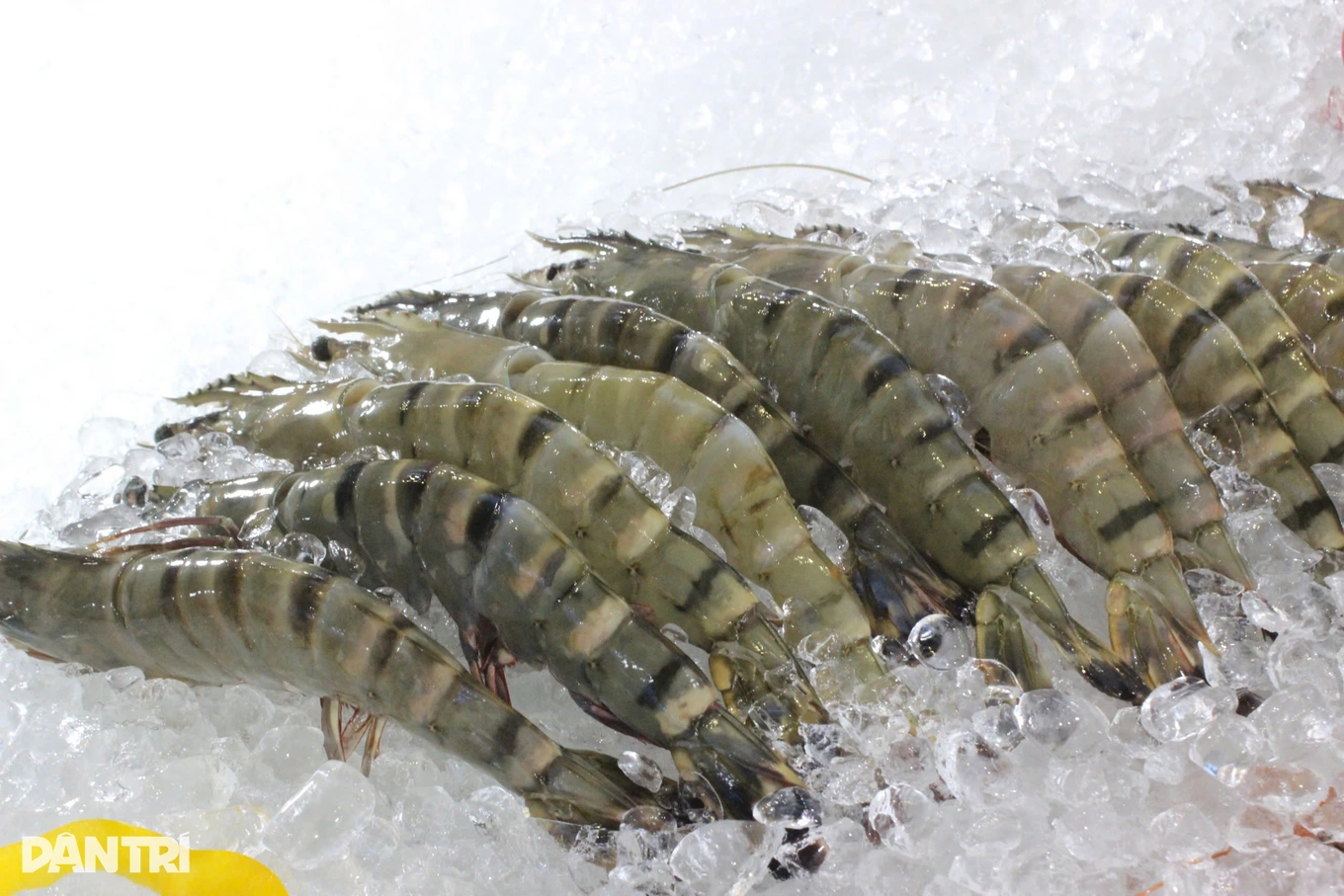
In recent years, Vietnamese ecological shrimp, especially shrimp farmed under mangrove forests, has established a presence in Switzerland and attracted interest from premium-segment importers.
Alongside exports to Switzerland, VEFTA creates opportunities for cooperation with Norway and Iceland, countries with developed seafood industries, high-quality raw materials and modern fishing and processing technology.
Vietnam has processing capacity, factories, cold-storage facilities and an international customer network. However, domestic raw materials, especially caught seafood, do not always meet businesses' needs for volume, variety, seasonality and quality.
Access to raw materials from Norway and Iceland may therefore help Vietnamese businesses diversify inputs, use factory capacity more efficiently and develop more deeply processed products.
Imported salmon, cod, mackerel and herring can supplement raw materials for processing in Vietnam for both domestic consumption and export.
VASEP nevertheless cautioned that businesses should study the rules of origin, processing requirements and eligibility conditions for preferences in each market. Importing raw materials from EFTA member states and processing them in Vietnam does not automatically mean the finished product will receive tariff preferences when exported to every country.
Sources: Dân Trí

