
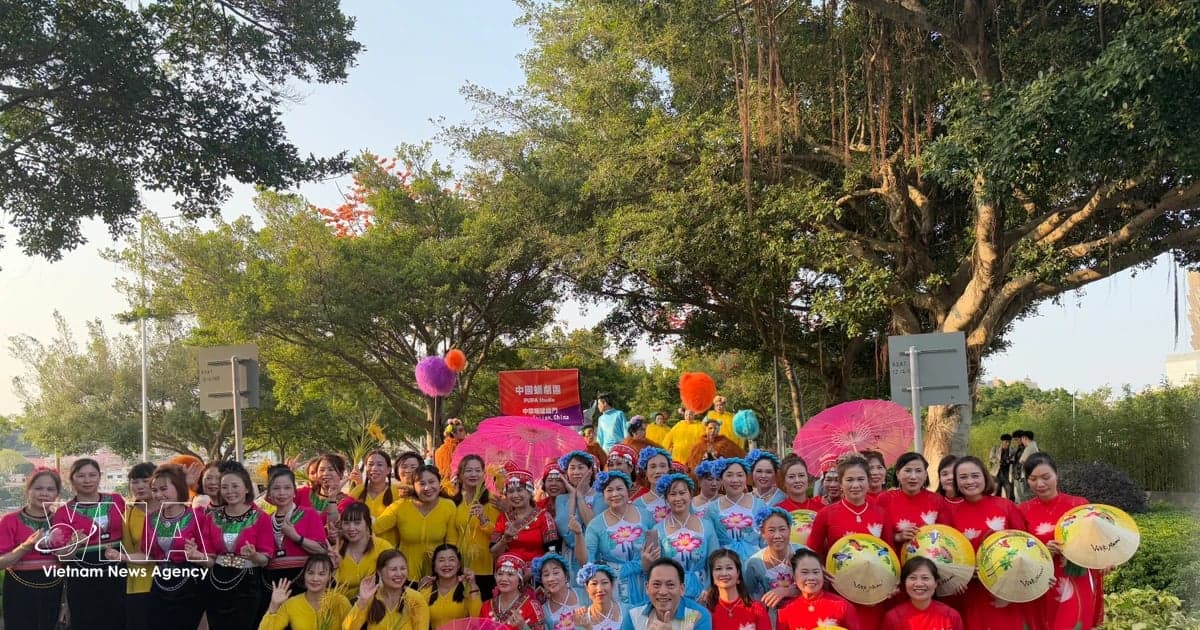
The experience of the Vietnamese Association in Macao reflects Resolution No. 23-NQ/TW: it overcame difficulties, united the community, promoted compliance with local laws and strengthened trust among local authorities and residents.
The Vietnamese community in China's Macao Special Administrative Region is strengthening solidarity, legal compliance and national identity. Resolution No. 23-NQ/TW, building on Resolution No. 36-NQ/TW, describes overseas Vietnamese as part of the national solidarity bloc and a strategic resource for national development.
The association's work gained momentum in 2021, when the COVID-19 pandemic left many Vietnamese workers unemployed amid tighter controls in Macao. Chairman Duong Trung Duc and founding members worked with the Vietnamese Consulate General in Macao and Hong Kong to organise 12 repatriation flights that brought home thousands of Vietnamese in particularly difficult circumstances.
After the pandemic, the association focused on legal awareness among more than 9,000 Vietnamese workers. It reorganised its 29-member executive committee into divisions for legal affairs, charity and cultural activities. The legal affairs division translates Macao police warnings on drug prevention, high-tech fraud and schemes involving the transport of goods for others, and helps resolve local disputes.
Macao's Judiciary Police reported that legal violations by Vietnamese nationals fell from over 20% to 2% in 2025, while illegal residence had almost disappeared. An invitation for Duc to attend a ceremony marking Macao's Judicial Police Day was the first time a Vietnamese community group had been invited to an official security and judicial event.
The association also helps preserve Vietnamese identity and provide a sense of belonging for workers living far from home. Le Duc Hanh, Vietnam's Consul General in Hong Kong and Macao, said the Party and State regard overseas Vietnamese as a strategic resource and a bridge connecting Vietnam with the world.
She praised the community's unity and its contributions to the homeland and host society, particularly cooperation among intellectuals, students, engineers and manual workers. The association and workers seek more support from Vietnamese diplomatic agencies and local authorities, including standardised Vietnamese-language information on labour law and insurance, a direct legal counselling channel, and language programmes for Cantonese and Mandarin.
They also hope stronger links with labour authorities and the Macao administration will improve legal awareness, environmental protection and disaster preparedness. The association's ultimate goal is to reduce legal violations to zero, Duc said, stressing dedicated leadership and community solidarity in advancing Resolution No. 23-NQ/TW.
Sources: VietnamPlus / Vietnam News Agency

