
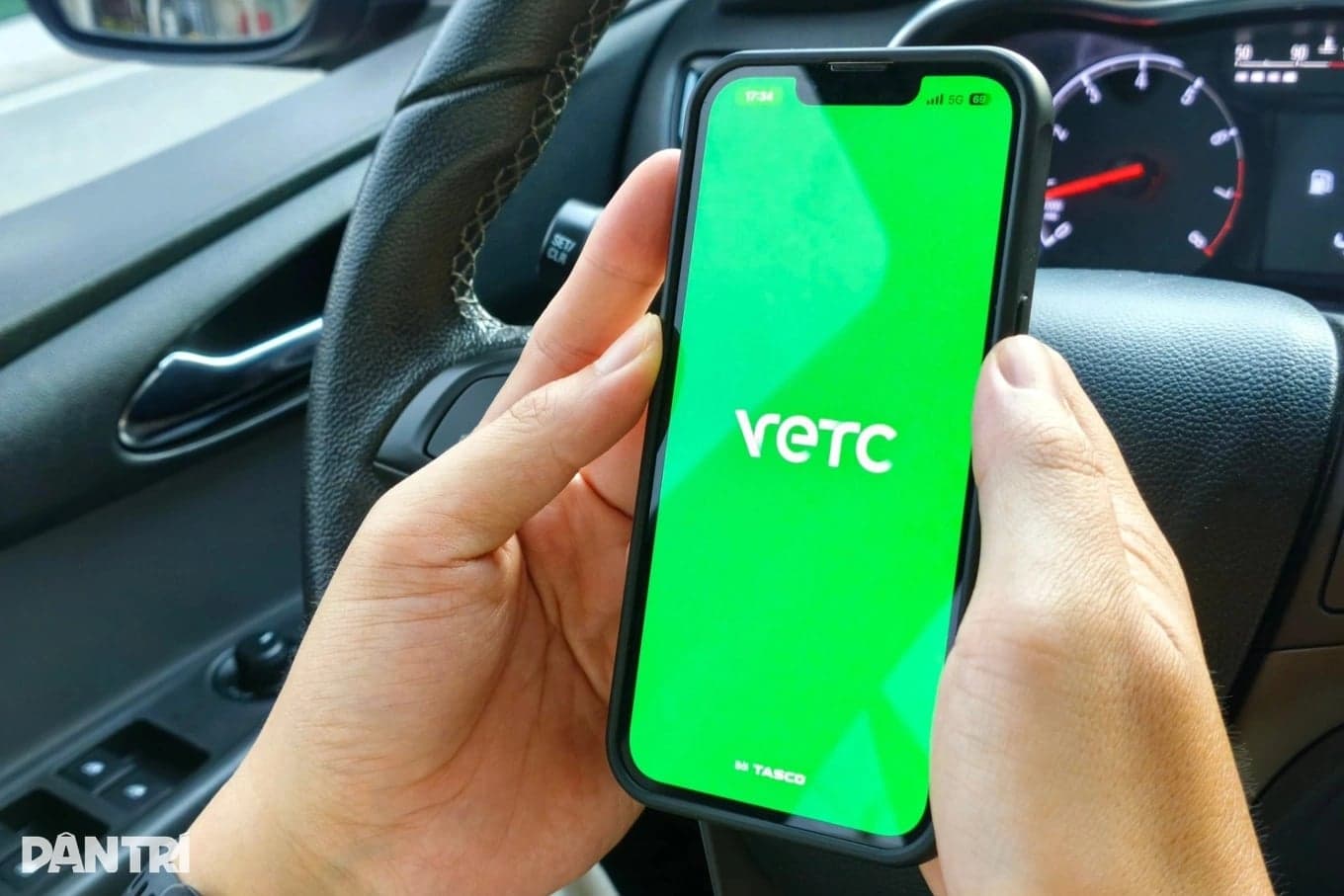
Vietnam’s Ministry of Construction sent Deputy Prime Minister Pham Gia Tuc a report on its inspection and review of fees for e-wallets linked to traffic accounts.
VETC and Viettel Money (ePass) had announced plans to charge individual customers VND 6,600 per month and organizations and businesses VND 66,000 per month for using e-wallets linked to traffic accounts.
The announcement drew mixed reactions. Many vehicle owners feared they would have to pay an additional fee to maintain their traffic accounts while using the electronic toll collection service.
After receiving public complaints, the ministry instructed the Vietnam Road Administration to work with the relevant companies and clarify the basis for the fee, the groups covered and the charging policy.
The companies were asked to suspend implementation temporarily and study an option better suited to customers’ needs and service usage frequency, while ensuring public disclosure and transparency.
The review found that VETC’s system supports five payment methods: the VETC e-wallet, TPBank and BIDV postpaid wallets, and TPBank and BIDV credit cards.
The system operated by Vietnam Digital Transport JSC (VDTC) supports 11 payment methods, including MoMo, Viettel Money, eight banks and the FPT Pay payment gateway.
Fees differ between payment methods.
At the time of the review, the VETC and Viettel Money wallets and automatic deductions through Vietcombank were free. Some other methods charged a fixed fee or a fee based on the value of each transaction.
The ministry said most payment methods linked to traffic accounts already applied service fees. It therefore found that VETC and Viettel Money’s plans were similar to the policies of some other payment service providers.
Vehicle owners can cancel the link to their current payment method and choose another option.
Canceling the link does not terminate or affect the maintenance of the traffic account.
The ministry said VETC and Viettel Money had not provided sufficiently clear information or explanations about the nature of the charge and customers’ right to choose.
As people were switching from toll accounts to traffic accounts, announcing an e-wallet fee at the same time could make it seem that the charge was mandatory to open or maintain an account or to use the electronic toll collection service.
The ministry said the public reaction was linked not only to the proposed fee policy but also to how information and customer guidance were provided.
At the time of the inspection, the companies had suspended implementation of the fee while studying a more suitable option.
Because the fee had not been charged, customers had suffered no actual financial loss. To protect users’ rights, the ministry proposed that companies develop flexible pricing policies for different customer groups.
The proposed options included charging per transaction, setting a fee as a percentage of the transaction value, or waiving fees for payment methods that were rarely used.
The ministry also required companies to disclose their pricing policies fully so that people would understand the terms and could choose before the policy was introduced.
The ministry further proposed expanding connections between traffic accounts and banks and payment intermediaries to give people more choice, promote competition and improve service quality.
Sources: Dân Trí

