Hanoi (VNA). Stable, transparent and predictable tax policy is fast becoming a deciding factor for foreign-invested enterprises already operating in Vietnam. Companies are weighing whether to maintain production and trade operations, expand them and commit funds to long-term projects.
Investors demand predictability
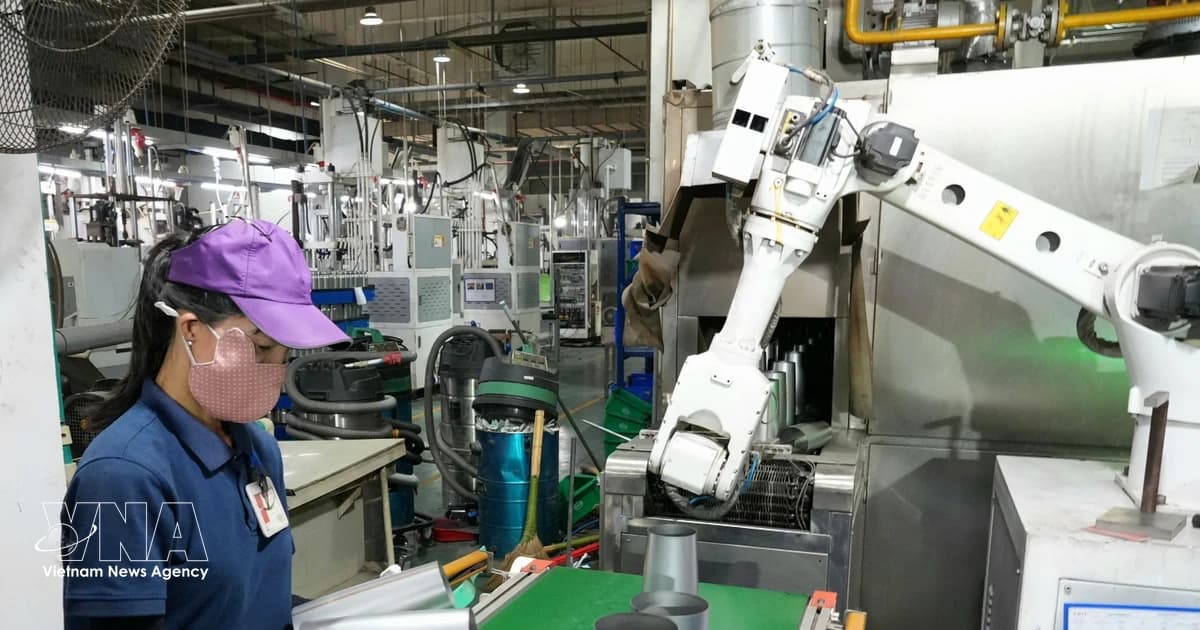
Vietnam's foreign direct investment (FDI) strategy is entering a new phase after nearly four decades of attracting overseas capital. The earlier task was to make the environment attractive enough to draw international capital. The tougher challenge now is keeping quality capital, getting investors to expand projects and securing more value for the economy.
As competition for FDI intensifies, multinational companies assess tax payments, compliance costs, the risk of policy changes, how rules are applied and the time needed to solve new problems. Clear, stable and predictable tax policy has become an important part of investment competitiveness.
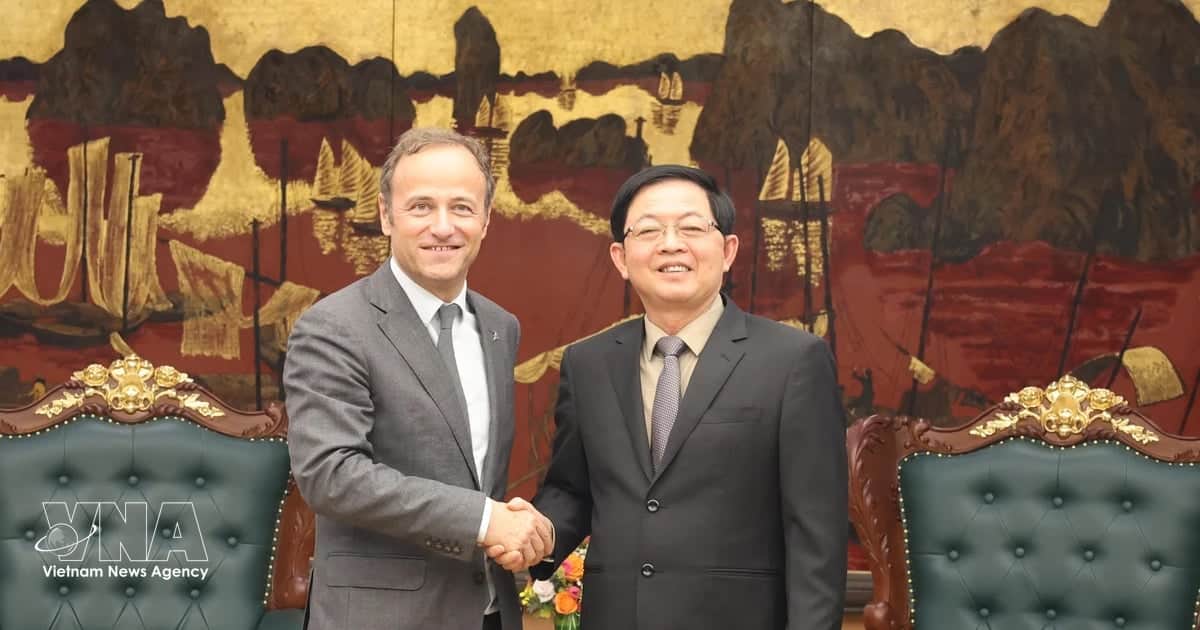
Mai Xuan Thanh, Director of the Taxation Department, said companies also want to know whether policies are clear, obligations predictable and rules enforced consistently, and whether effective channels exist for dialogue and problem-solving.
The need is especially acute for foreign-invested firms, whose production and trade often span several markets, entities and tax systems. Related-party transactions, double taxation avoidance agreements, advance pricing agreements, information exchange and data transparency directly affect costs and planning.
From tax incentives to a long-term investment climate
Nguyen Anh Tuan, Deputy Director of the Foreign Investment Agency under the Ministry of Finance, said the goal is no longer limited to increasing capital volumes or the number of projects. Authorities want to improve the quality, efficiency and sustainability of capital flows and strengthen links between the FDI sector, domestic capabilities and long-term development goals.
This shift is set out in the Politburo's Resolution No. 10-NQ/TW dated June 8, 2026 on developing the foreign-invested sector. The document calls for a move from scale and quantity toward quality, efficiency and added value. It prioritises projects with advanced technologies, modern governance and innovation capacity that can connect more deeply to global production chains.
Roux Eloïse, a representative of the European Union Delegation to Vietnam, said predictability is important for countries seeking to attract and retain foreign companies. She said Vietnam has advantages including its domestic market, infrastructure, logistics and network of free trade agreements. A transparent, stable legal and tax environment would create more room for investment cooperation.
On September 22, 2026, the Government adopted Resolution No. 280/NQ-CP on an action plan to implement Resolution No. 10-NQ/TW. The document assigns 61 tasks to ministries, agencies and local authorities. The Ministry of Finance was assigned 22 key tasks related to direct and indirect investment and capital market development.
Closer coordination among investment, tax and customs authorities is needed both to ease business operations and to apply rules as intended. Alongside improvements to investment legislation, tax administration should rely on data and risk management so companies can comply with requirements in advance.
Thanh stressed that "transparency is needed from both sides". Companies must ensure that documents and data truthfully reflect the substance of transactions and begin dialogue early when complex issues arise. Tax authorities, in turn, need to publish rules, provide clear guidance, enforce them consistently and deliver information promptly.
VNA
Sources: VietnamPlus / Vietnam News Agency