
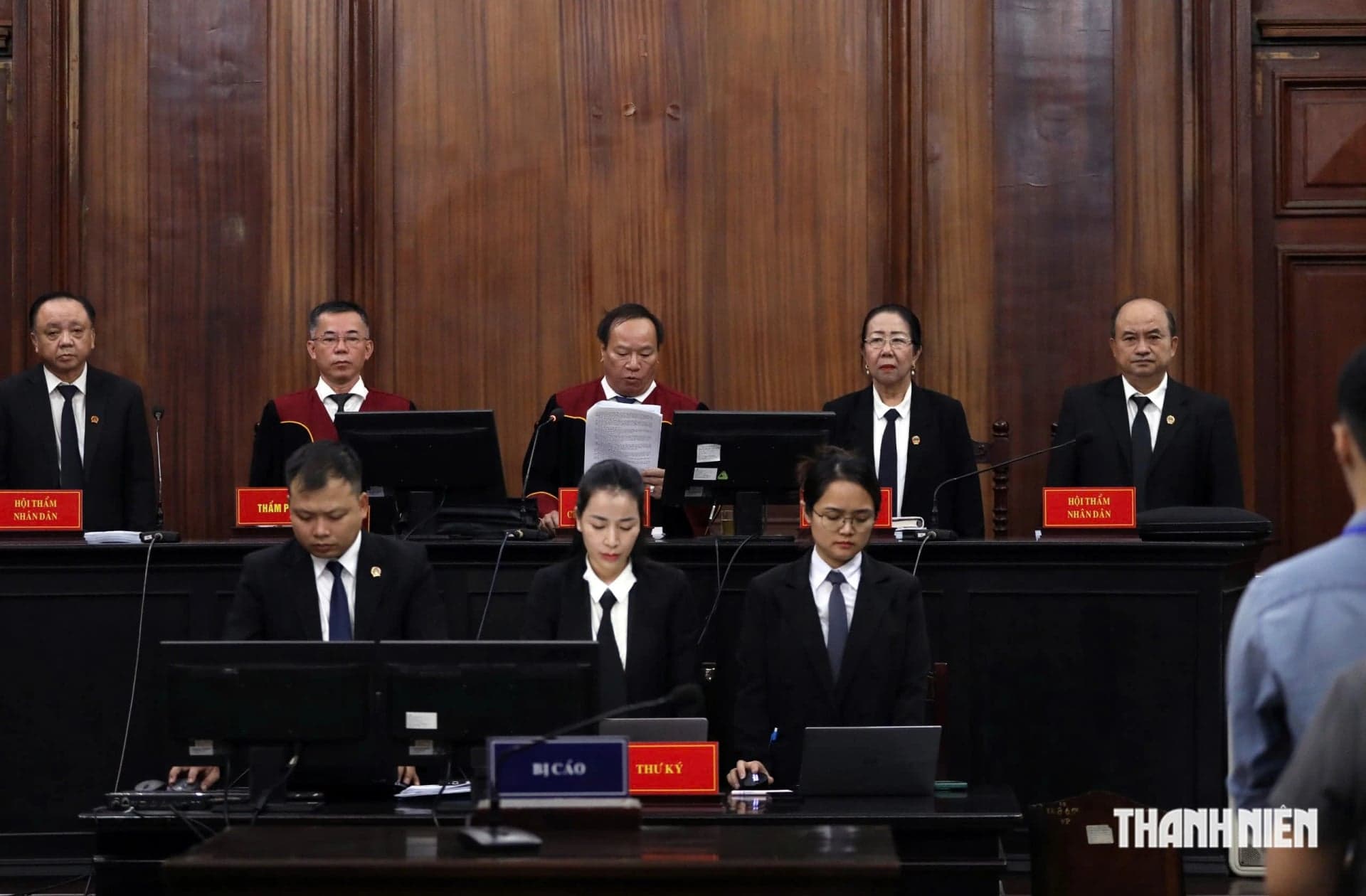
Vietnam's Supreme People's Court issued an explanation covering four questions about audio and video recording at court hearings. The document responded to an inquiry from a citizen identified as H.T.N.L.
Criteria for using devices in court
The Supreme People's Court referred to points 1 and 3 of Letter No. 529/TANDTC-PC dated August 19, 2026, which provides guidance on applying Circular No. 12/2026/TT-TANDTC. A judge decides whether to allow an electronic device after considering the nature and content of the case, legal requirements, security, order and the dignity of the court, as well as the independence and objectivity of the proceedings.
The decision also takes into account the protection of the rights of defendants, victims, litigants and other participants, state secrets, public morals, the protection of minors and the confidentiality of information about individuals and organizations. The court must also facilitate the full exercise of the rights and duties of people conducting or attending the hearing.
Recording the speech or images of other participants and people attending a hearing requires their consent and the consent of the presiding judge or the judge conducting the session. This requirement is set out in Article 141, Clause 3 of the Law on the Organization of People's Courts and specified in Article 4, Clause 4 of Circular No. 12/2026/TT-TANDTC.
Letter No. 529/TANDTC-PC also instructs courts to facilitate the use of electronic devices to consult case files, documents and evidence, and to record speech or the proceedings in accordance with the law.
Under the civil, administrative and criminal procedure laws, the entire hearing must be recorded in minutes and placed in the case file. The minutes have legal value. Participants may review them and request that corrections or additions be entered.
Courts record hearings for professional duties
The Supreme People's Court said Article 141, Clause 4 of the Law on the Organization of People's Courts and Article 7 of Circular No. 12/2026/TT-TANDTC allow a court to record speech and images of a hearing when necessary for professional duties. These provisions do not require courts to record every hearing or provide recordings to the parties for extracting evidence.
When a court has made an audio or video recording, an authorized person decides whether to provide it. Unless another law applies, the recording is provided only when the conditions listed in Article 7, Clause 3, points a, b, c and d of the circular are met. Its use must comply with Article 7, Clause 4.
Asked whether officials who draft or issue a vague circular could be held responsible for an incorrect judgment, the Supreme People's Court said the responsibility of agencies, organizations and authorized persons in drafting, issuing and enforcing legal documents is set out in Article 68 of the Law on the Promulgation of Legal Documents.
The court said Circular No. 12/2026/TT-TANDTC was issued in accordance with the procedures set by law. To ensure consistent application, the Supreme People's Court also issued Letter No. 529/TANDTC-PC dated August 19, 2026.
Sources: Thanh Niên

