
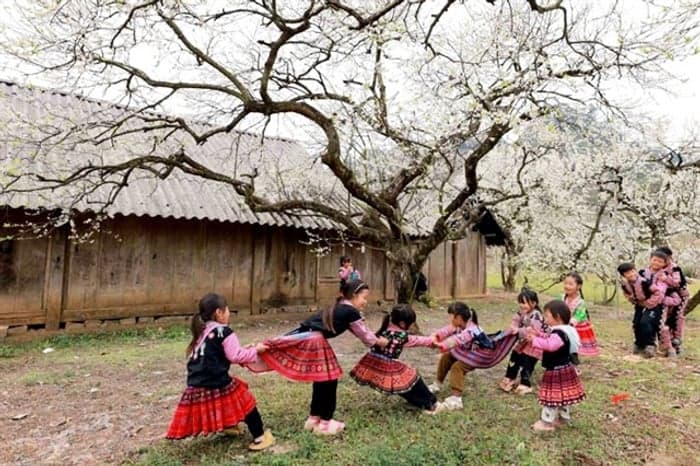
Children are the future of the nation and must be loved, cared for and protected. Viet Nam regards protecting children from violence and abuse as an urgent task requiring the involvement of the entire political system and society.
Dr Lại Thùy Thanh of the Centre for Developmental Medicine and a member of the Child Protection Board at the National Children’s Hospital said healthcare facilities can identify violence or suspected abuse early. Children often do not dare to report it. They may show headaches, recurring abdominal pain, sleep problems, poor appetite and self-harming behaviour, particularly at ages 10 to 14. Screening and clinical examinations can reveal domestic or school violence and abuse hidden behind physical injuries.
Challenges
Lawyer Nguyễn Ngọc Tấn of Ngọc Tấn and Associates Law Firm said children are especially vulnerable. They have not fully developed physically or psychologically and do not yet fully understand legal and social matters, creating difficulties for children, lawyers, investigative agencies and psychologists.
Limited awareness means many children cannot recognise unlawful acts or abuse. They may not know how to speak out or whom to tell. Threats and grooming can frighten them into silence. “Will anyone believe me and listen?” remains a central question, Tấn said.
Parents or relatives are usually a child’s main source of support, but guardians who refuse to cooperate or withhold information obstruct lawyers, doctors and investigators. Families may conceal what happened because they fear stigma, damage to their reputation or gossip. Silence stalls investigations and can cause a child greater harm.
Professionals also do not always have the skills needed to work with children, especially those who have experienced psychological trauma. Without suitable methods, a child may not open up. “It is difficult to establish the truth if law-enforcement officers know only how to listen but cannot recognise a child’s psychological responses,” Tấn said.
Making a child repeat a painful story to different agencies can cause psychological harm. In sexual-abuse and severe-violence cases, coordination should reduce the number of statements a child must give. A child-friendly interview room with one-way observation can help. Recording information once reduces the risk of secondary trauma.
Experts also pointed to shortages of facilities and professional training. Child-friendly interview and counselling rooms require funding and infrastructure, while local investigative officers often lack systematic training in child psychology. They need regular training and child-engagement skills. Parents and guardians also need knowledge that helps them report wrongdoing instead of concealing it because of social judgement.
Support mechanism
Dr Thanh said the National Children’s Hospital had developed more targeted and proactive support mechanisms. All staff, from doctors to nurses, receive training to recognise and report abuse. They look for bruises and injuries, inconsistent medical histories, differences in guardians’ accounts, hesitation and avoidance of contact. Comprehensive examinations help doctors assess suspected abuse more accurately.
The hospital has a psychological counselling room with one-way observation. A specialist speaks directly with a child while other staff observe from an adjoining room. The hospital has also established a Child Protection Board comprising doctors, nurses, psychologists and lawyers.
Lê Thị Hường of the Administration of Maternal and Children’s Affairs under the Ministry of Health said the care, education and protection of children had continued to receive attention from the Party, the State and the Government. This is reflected in Politburo Directive No. 28 and practical programmes.
Two programmes were recently approved by the Prime Minister. The National Programme on Child Protection for 2026–2030 focuses on children affected by violence and abuse and includes measures to strengthen their safety. The Programme on Promoting Children’s Participation Rights focuses on children’s right to be heard and participate in decision-making.
More than 80 per cent of children in especially difficult circumstances nationwide receive assistance and access to appropriate services. All children who have experienced abuse or violence receive protection measures at three levels: prevention, intervention and support.
The Administration of Maternal and Children’s Affairs will review the system of legal documents, including the Law on Children and Decree No. 56 guiding its implementation, to align them with new socio-economic conditions. It will improve support and intervention procedures for children affected by violence, abuse or natural disasters.
The agency is developing technical standards for child-protection services and a legal framework for private providers. The State will set standards, technical requirements and monitoring mechanisms, then commission services from private providers so children can access help more quickly and conveniently. The administration will continue working with international organisations to learn from their experience and improve child-protection services.
The measures follow an approach in which organisations and individuals act responsibly and consider children’s interests to keep them safe and give them a peaceful childhood.
Sources: Viet Nam News

