
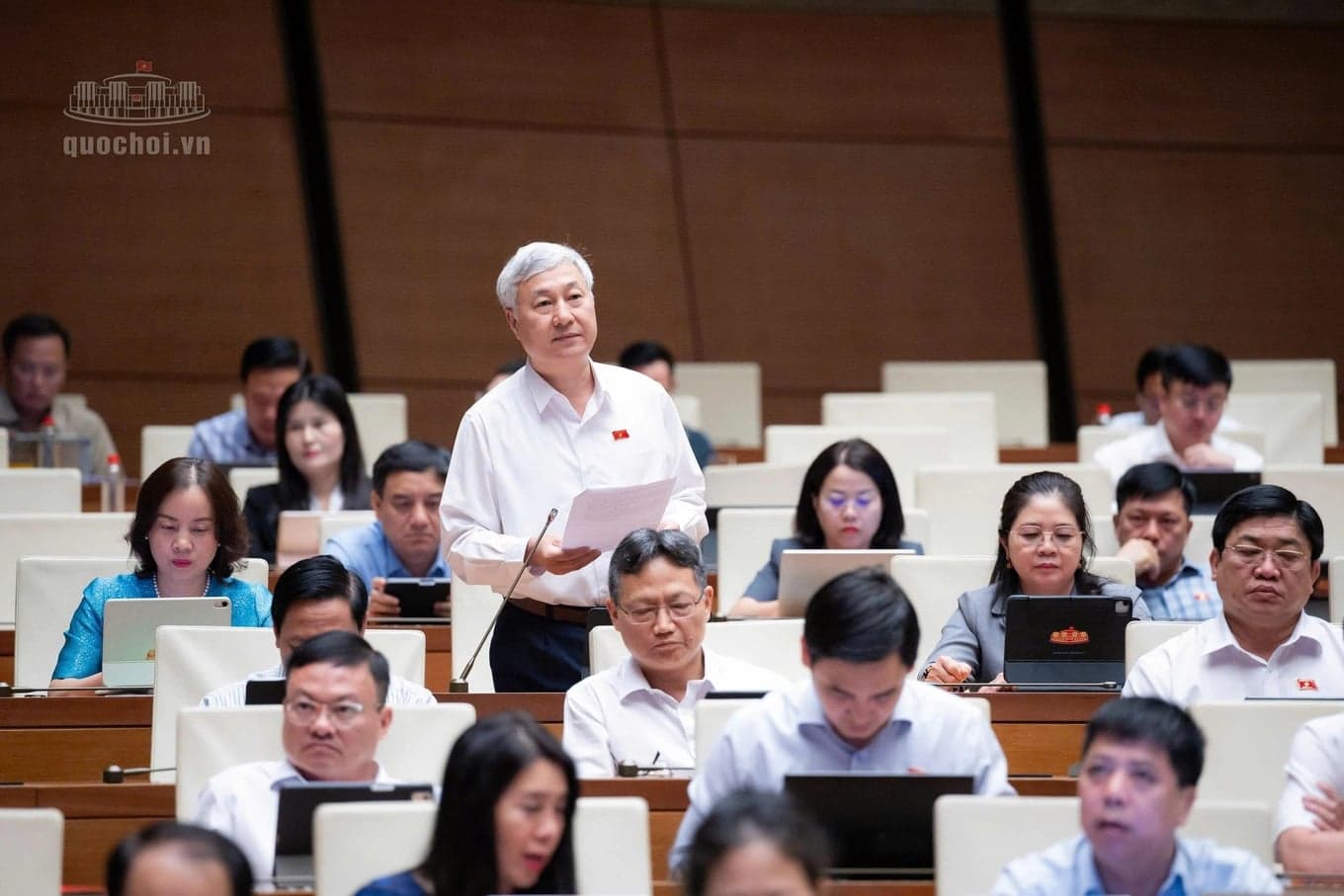
Construction Minister Tran Hong Minh explained the draft amendments to the Housing Law before the National Assembly on October 28, including the management, pricing and resale conditions for social housing after five years.
Questions about resale prices and buyer rights
Deputy Tran Van Lam of Bac Ninh said social housing is built with state support, including reduced or waived land-use fees, tax incentives, preferential loans and infrastructure investment. Its social purpose should not disappear simply because a certain period has passed.
If such homes can be freely resold at market prices after five years, state support could become a private profit for the first buyer, while the housing fund for low-income people would shrink, he said.
Deputy Thach Phuoc Binh of Vinh Long said a resale cap equal to the original purchase price does not account for inflation or repair and maintenance costs. A fully market-based price could put the homes out of reach for eligible buyers, while an excessively low cap would restrict owners' property rights.
Deputy Vo Ngoc Thanh Truc of Ho Chi Minh City noted that people may need to sell because of a serious illness in the family or a job transfer. A cap equal to the original purchase price could disadvantage low-income owners.
Deputy Ta Van Ha of Da Nang gave the example of a worker who lives in a home for one or two years before an employer closes, cuts staff or transfers the worker. He proposed allowing a sale back to the developer at a price that accounts for the loan and interest already paid.
Deputy Pham Van Hoa of Dong Thap proposed direct resale to the developer, who could distribute the home to another eligible person, preventing individuals from profiting through repeated resales.
Why social housing cannot be sold at market prices
Minister Tran Hong Minh said resales must be controlled through specific conditions.
“Social housing is a humane policy of the Party and the State to support people who face housing difficulties. But if someone does not want or cannot continue living there and wants to sell, conditions must apply. Otherwise, it would again become an abuse of the policy for profit,” the minister said.
He said an ordinary residential building can last about 100 years. Eligible buyers purchase homes at subsidized prices for long-term housing security, so “buying one and then wanting to sell it at the market price after five years is not allowed.”
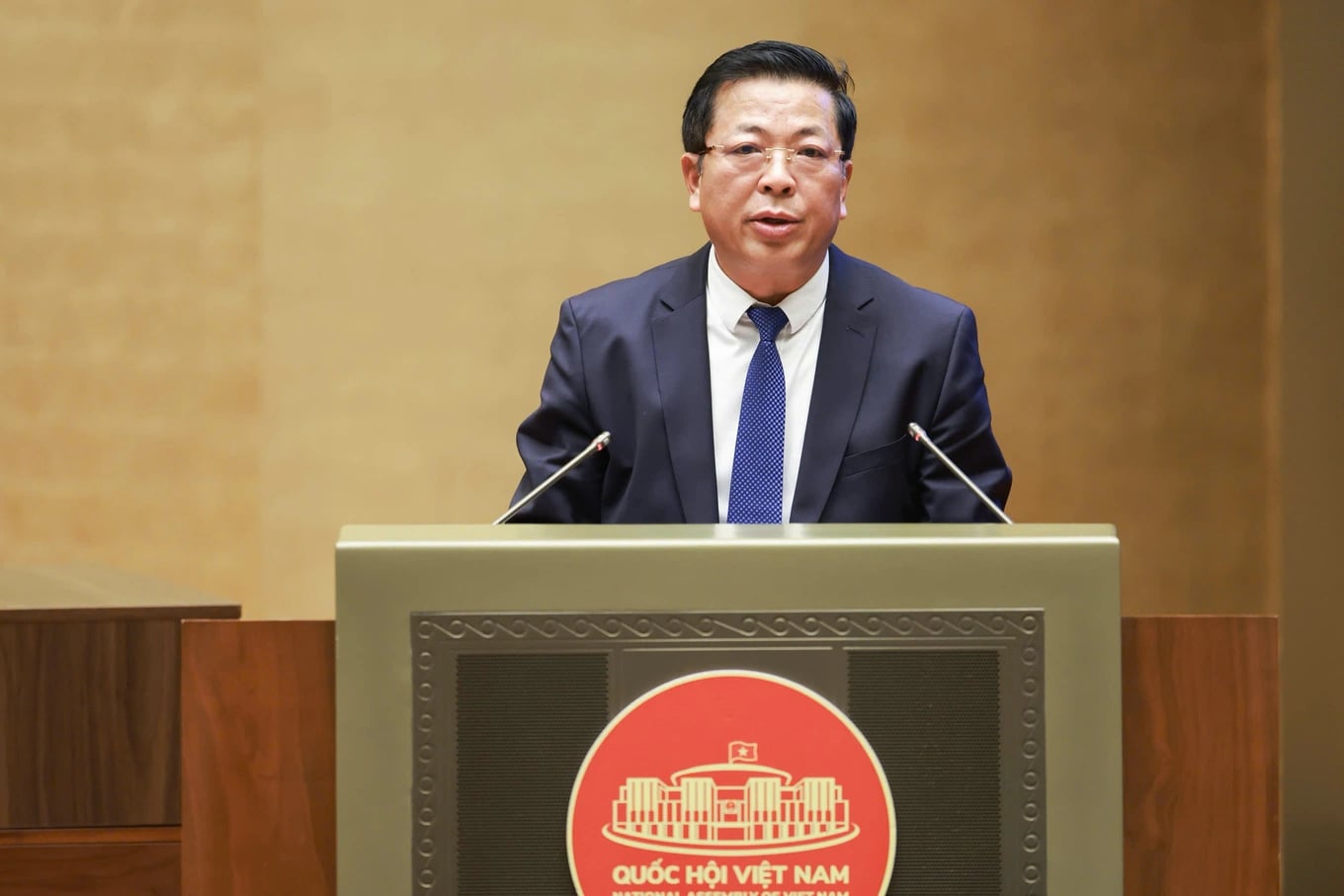
The minister said the drafters had consulted the National Assembly Standing Committee and local authorities. The approach would cap resale prices at the price at the time of purchase or allow transfers only to people eligible for social housing.
He said all social-housing prices must be reviewed by the local construction department before sales begin.
Although developers receive support through land-use, tax, site-clearance and credit incentives, actual costs still depend on construction, infrastructure and bank interest expenses.
“A project with better infrastructure and greater investment should cost more. For example, building two or three underground parking levels costs differently from a building with one basement or no basement,” he said.
With construction-material prices varying by region, social housing has recently generally cost between 15 million and 29 million dong per square meter.
Under the draft, rents may not exceed a ceiling set by the provincial People's Committee, including in privately developed projects. Citing Hanoi, the minister said a commercial apartment in the same area rents for about 18 million dong per month, while a subsidized apartment costs about 6 million dong.
Buyer rights in Mường Thanh projects being addressed
Discussing the renovation of apartment buildings built before 1990, the minister called the issue highly difficult because of compensation and resettlement plans.
Some places, including Hanoi, have applied a compensation coefficient of up to 1.5. In some cases, an old apartment measuring 20 or 30 square meters housed a family of five or six, which demanded a new 100-square-meter apartment and asked the state to pay the difference.
“Such demands are very difficult to resolve, and no investor would dare participate under those conditions,” the minister said.
Regarding planning and construction order, the minister acknowledged that inspections had sometimes been insufficiently strict in the past, allowing violations to continue. He cited Mường Thanh projects where extra floors were built, leaving buyers unable to obtain ownership certificates or receive their homes. Hanoi, together with ministries and agencies, has applied measures under National Assembly resolutions to gradually address buyers' rights.
Sources: Dân Trí

