
Rising consumer demand during the year-end festive season, inventory restocking and positive signals from several markets are creating opportunities for Vietnam’s seafood exports to accelerate in the final months of 2026.
These factors may help the sector achieve or exceed its annual export target of 12 billion USD, despite tariffs, traceability requirements and compliance costs.
Tran Gia Long, Deputy Director of the Department of Planning and Finance under the Ministry of Agriculture and Environment, said seafood exports need to generate around 1 billion USD per month in the remaining months of the year for the agricultural, forestry and fishery sector to meet its overall 74 billion USD export target in 2026. Shrimp is expected to remain the main driver.
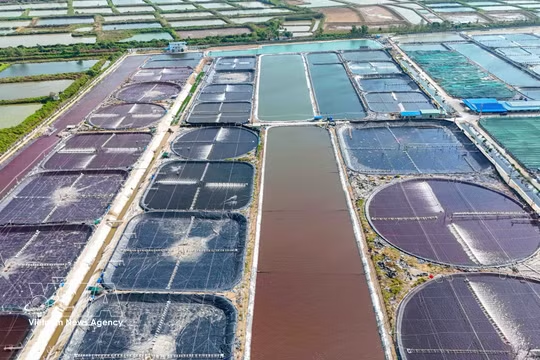
According to VASEP, shrimp exports reached 3.29 billion USD in the first eight months of 2026, up 12.3% year on year and accounting for about 41% of seafood export revenue. Imports from Vietnam to China rose 37.6% to 1.13 billion USD.
Demand in Asian markets usually rises before festivals and the Lunar New Year. Importers’ efforts to replenish stocks after cautious ordering could also boost shipments.
The US market remains challenging for Vietnamese shrimp. Shipments have fallen, while a 12.5% Section 301 tariff, compared with 10% for some competitors, puts Vietnamese exporters at a price disadvantage. An anti-dumping duty review is expected to affect fourth-quarter orders.
Le Hang, VASEP Deputy Secretary-General, said the duties would affect US orders, quoted prices and exporters’ decisions to shift markets. If tariffs remain high, more shipments could go to Asia, putting pressure on prices.
The US still offers opportunities for deeply processed, high-value-added products. Minh Phu Seafood Corporation General Director Le Van Quang said the US had overtaken Japan as the company’s largest market. The price gap with shrimp from India and Ecuador has not yet undermined value-added products’ competitiveness.
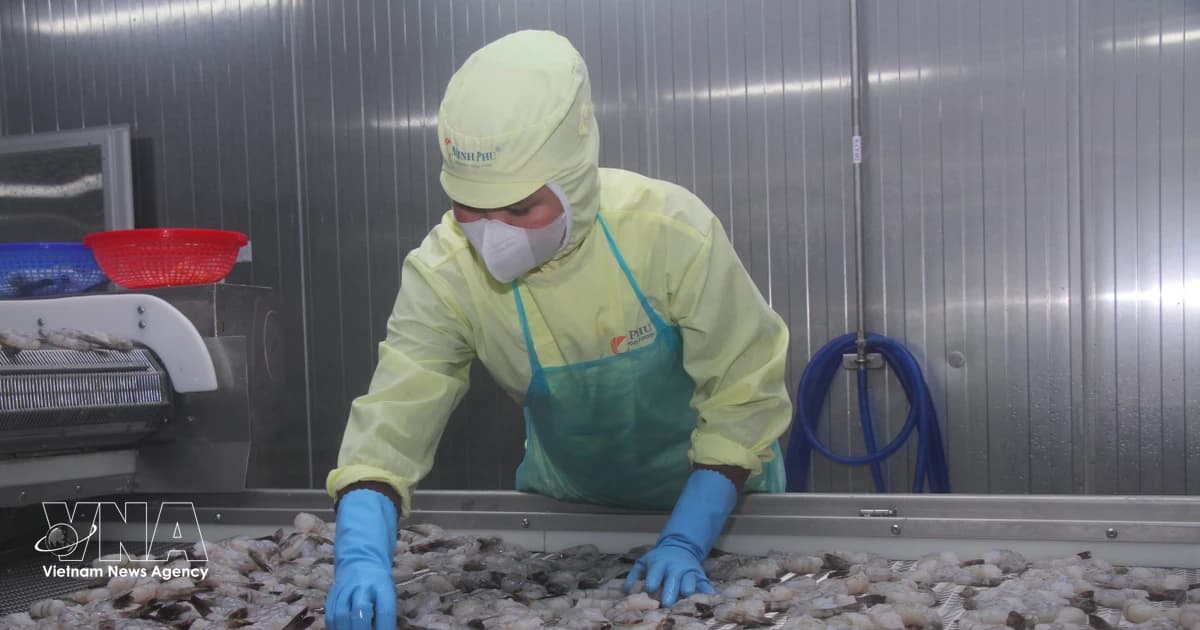
Minh Phu aims to automate 70-80% of production operations. Even with three factories at full capacity, it cannot meet all demand and may consider another plant if the market continues to grow.
A company robot can perform work equivalent to about three workers and operate across three shifts. The Minh Phu Khanh An Seafood Processing Plant in Ca Mau can process 35,000 tonnes annually and has advanced automation and robotics.
ASC Commercial Director Barbara Janker said Vietnam ranked third globally by volume of ASC-certified shrimp production, giving exporters an advantage as European demand rises.
Pangasius exports can expand in China, the EU and the Middle East. In Europe, shortages of wild-caught whitefish and high cod prices create opportunities for Vietnamese pangasius.
Prospects vary for other products. Tuna, squid, octopus and wild-caught seafood depend on origin-traceability compliance. Crab exports show positive signs, while tilapia’s gradual introduction into sushi and sashimi creates opportunities in higher-value segments.
VASEP said exports could exceed 12 billion USD if Chinese demand remains strong and peak-season orders proceed without disruption. Shrimp faces US tariff pressure, pangasius depends more on markets outside the US, and squid, octopus, crab and some molluscs retain growth potential.
Sources: VietnamPlus / Vietnam News Agency

