
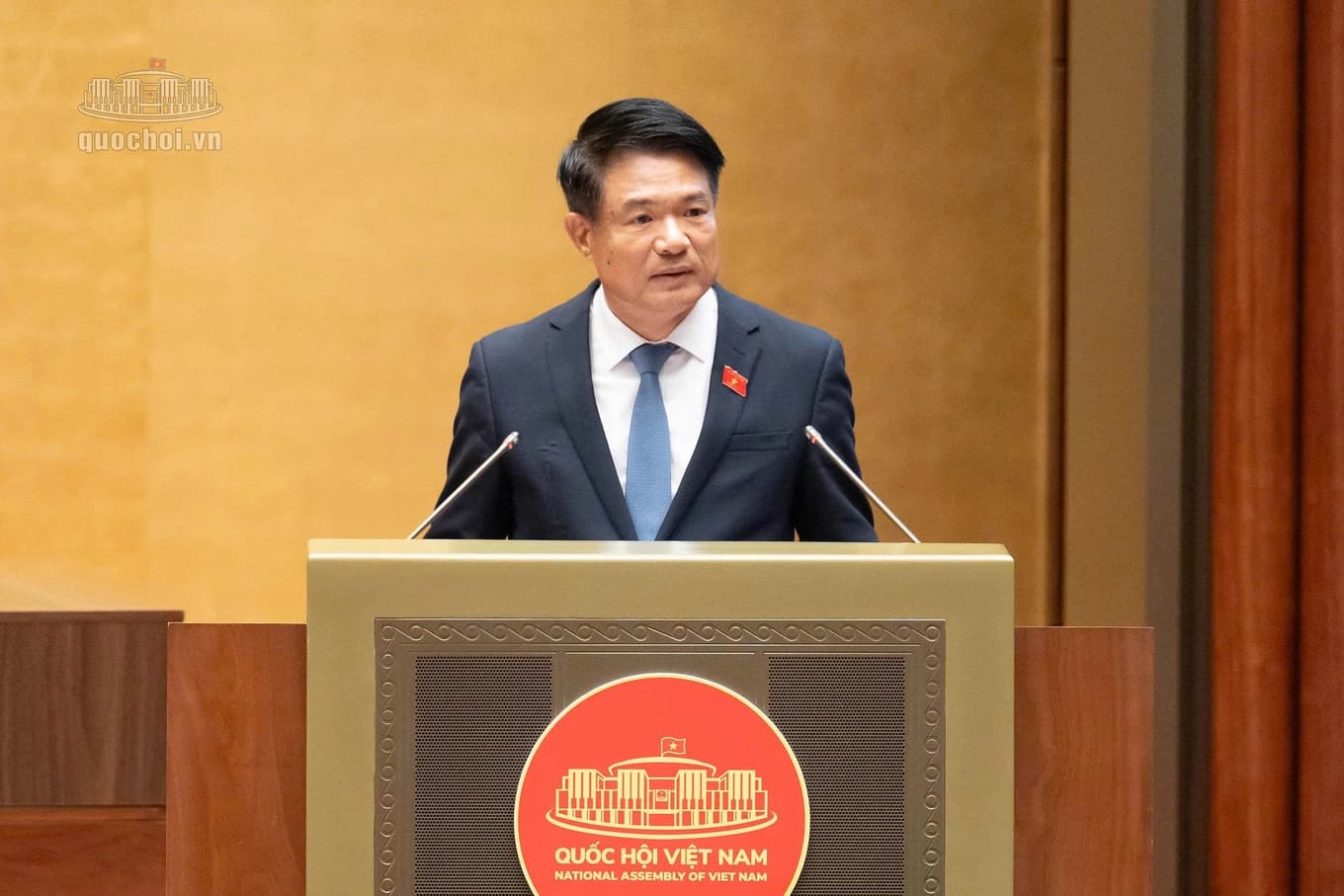
On the morning of October 18, Supreme People's Procuracy Director Nguyen Huy Tien presented the National Assembly with a report responding to comments on the draft revised Criminal Procedure Code.
During discussion of dividing criminal-procedure tracks, some opinions said that voluntarily confessing and accepting a punishment differs from the ordinary mitigating circumstance of making a candid statement and showing remorse. They proposed coordinating the provision with the draft revised Penal Code.
The Supreme People's Procuracy said the opinion was well-founded. It said voluntary confession and acceptance of a punishment could speed up proof of the offense, shorten investigation, prosecution and trial periods, reduce appeals, make sentence enforcement easier, and support efforts to remedy losses and pay compensation.
A candid statement, a confession and a voluntary appearance only reflect an offender's initial attitude. They are not the same as a commitment to acknowledge the offense, accept the evidence and circumstances of the case, or remedy losses and pay compensation. In these cases, the authorities must still carry out all activities needed to prove the offense and resolve the case.
The Supreme People's Procuracy said Article 57 of the draft revised Penal Code also adds a corresponding provision on leniency policy, conditions and the level of handling. This is intended to keep substantive and procedural law consistent.
According to the procuracy, the procedure for defendants who voluntarily confess and accept the proposed punishment is intended as an expression of a humane approach.
The procuracy said the procedure could benefit the offender, reduce the workload of the authorities, save time and procedural costs, and improve the effectiveness of sentence enforcement.
Under the proposal, the Penal Code sets out the leniency policy, while the Criminal Procedure Code defines the authority, sequence, procedure and time limits for applying it. The procedure could apply to all cases, from simple to complex, under either the ordinary or shortened track.
The shortened procedure would apply only when the required conditions are met. If they are not met, the case would follow the ordinary procedure, but a defendant who voluntarily confesses and accepts the proposed punishment could still receive leniency.
Presenting the review report, Phan Chi Hieu, chairman of the Committee on Law and Justice, said the draft revised Criminal Procedure Code sets out procedures for cases involving defendants who voluntarily confess and accept the proposed punishment. A shortened procedure may apply when the required conditions are met.
The Standing Committee on Law and Justice broadly supported the procedures. It said they could encourage candid and voluntary confessions, speed up case resolution, and reduce appeals and protests that lead to appellate or supervisory proceedings.
The reviewing body also asked the Supreme People's Procuracy to continue checking the provisions against related rules in the draft revised Penal Code, particularly the criminal policy for offenders who voluntarily confess and accept the punishment.
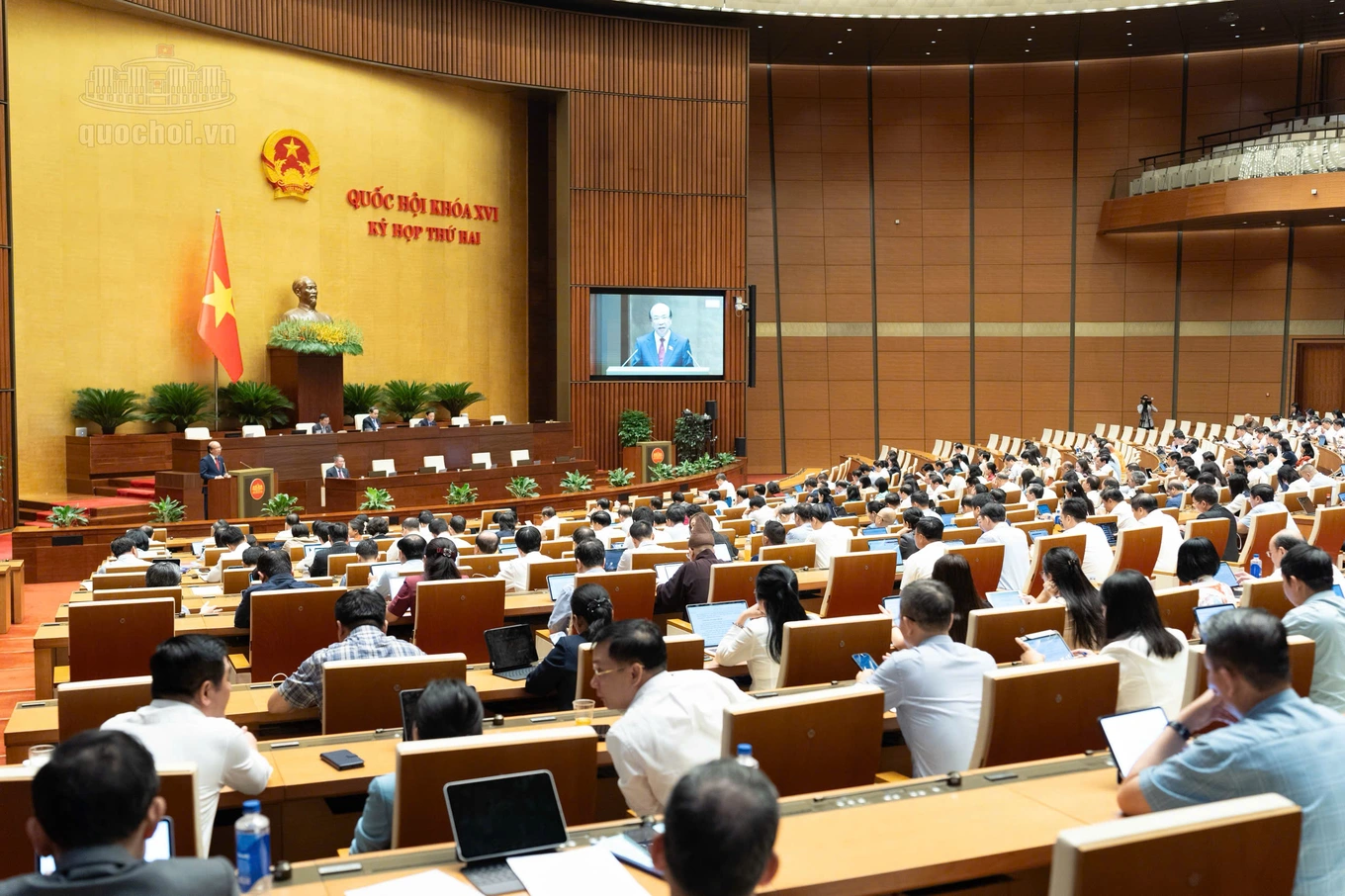
The committee stressed that the draft revised Criminal Procedure Code's rules on applying leniency to defendants who voluntarily confess and accept the punishment must fully meet the conditions for leniency under the Penal Code.
Sources: Dân Trí

