
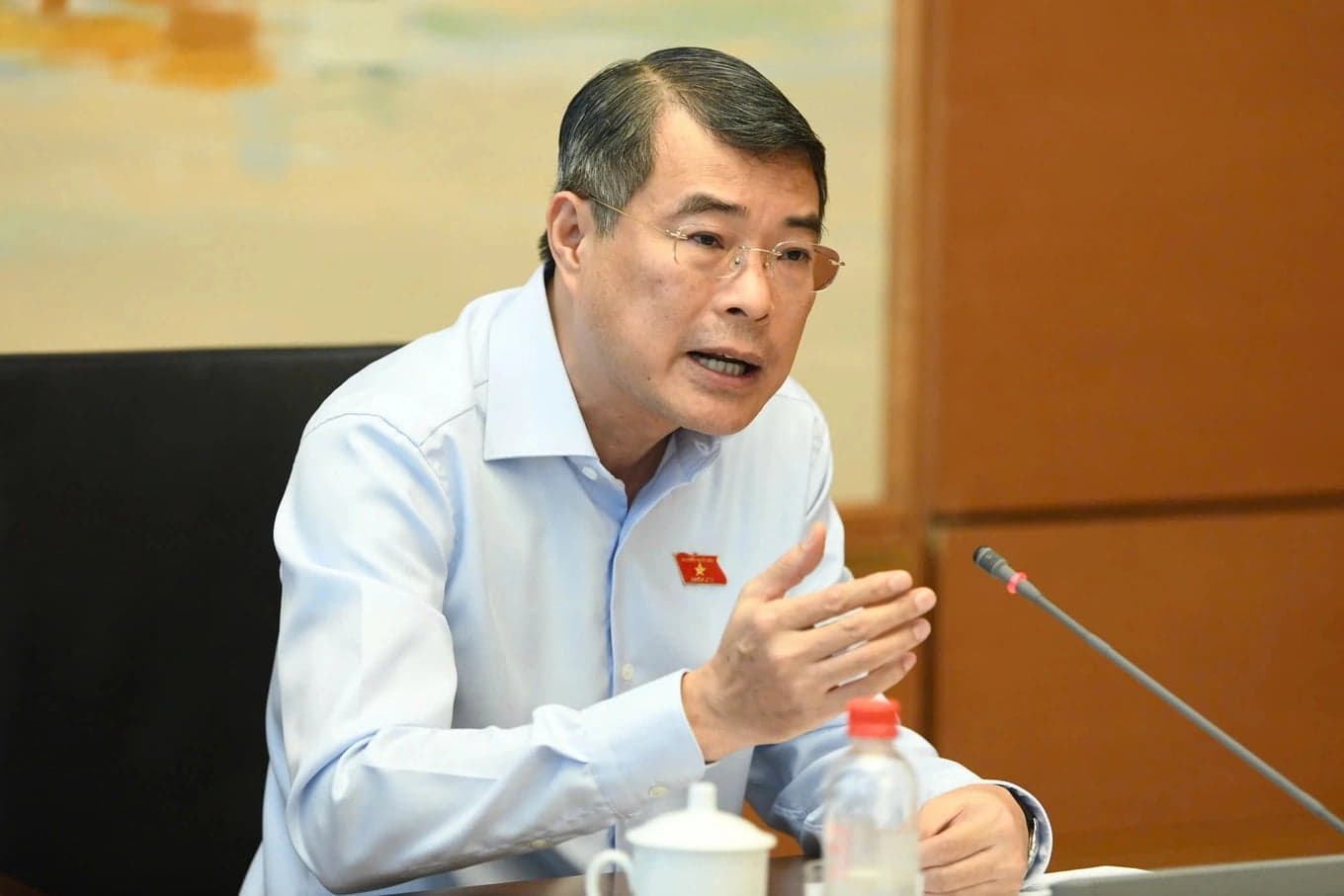
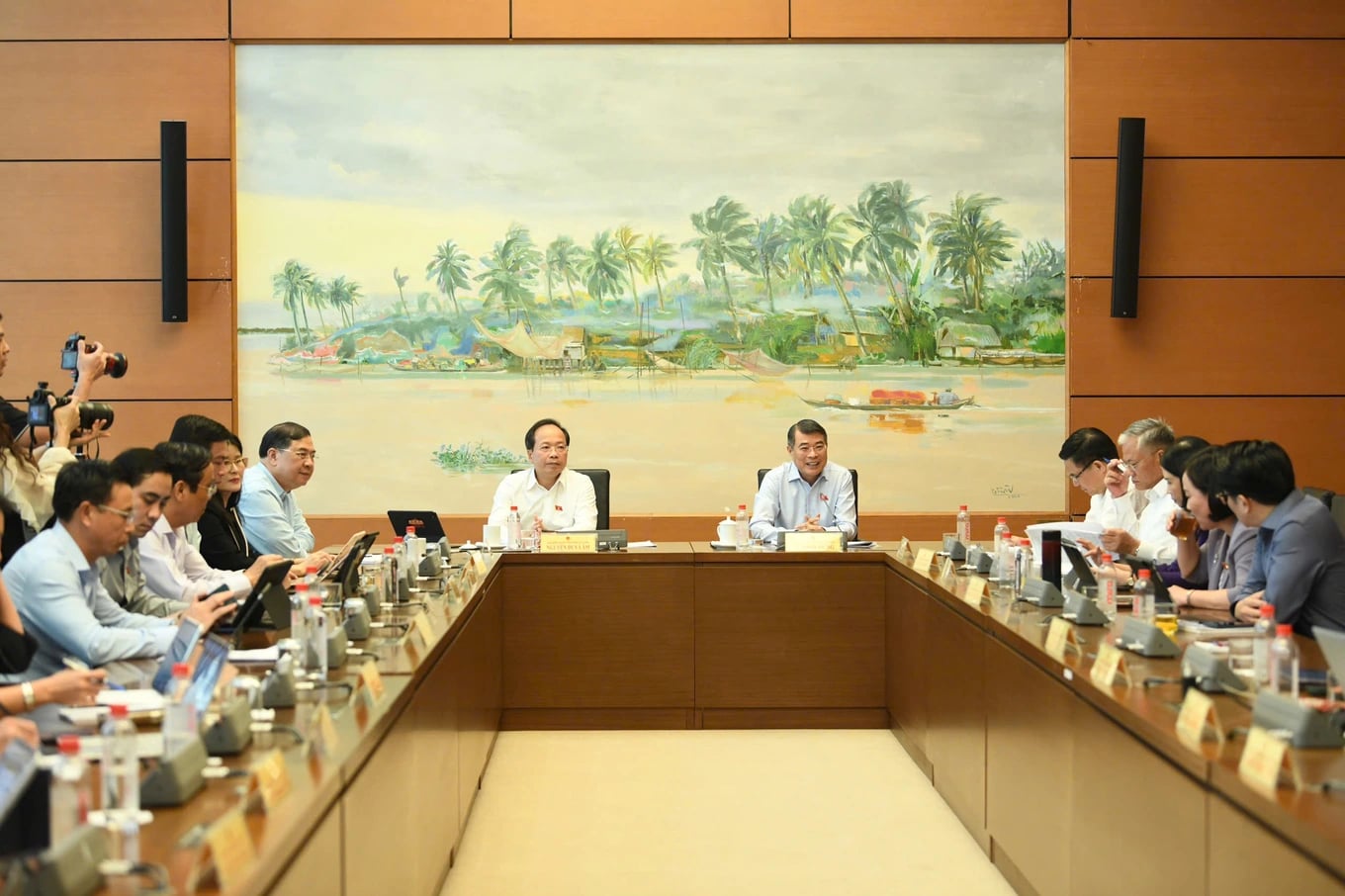
Vietnamese Prime Minister Le Minh Hung said the social benefits of exempting school and hospital meal suppliers from tax far outweigh the tax revenue forgone. He made the statement on October 23 during a group discussion on amendments to laws on corporate income tax, non-agricultural land use tax and personal income tax.
The prime minister said the amendments to the corporate income tax, non-agricultural land use tax and personal income tax laws would institutionalize Politburo Resolutions 71 and 72.
Social benefits outweigh tax revenue
Explaining the tax exemption for businesses and individual traders that supply meals to educational and medical facilities, the prime minister said corporate income tax revenue from this group is small. The Ministry of Finance is continuing to calculate the figure.
He said the policy's social meaning and benefits would be much greater than the tax revenue forgone.
The prime minister said the current system of invoices and financial documents can identify and separate businesses' input and output costs, allowing the policy to be applied to the right entities. The policy is intended to improve services for patients and students.
He warned that the tax exemption must not affect food hygiene and safety requirements. Those requirements remain the top priority and must be implemented under relevant laws.
On tax policy for abandoned land and land that has been slow to be put into use, the prime minister said he would direct the Ministry of Finance and the Ministry of Agriculture and Environment to continue reviewing the issue. The agencies are to clarify the definitions of abandoned land and land not put into use, and identify the relevant entities, timing and tax rates.
He stressed that the rules must be consistent with the Land Law, avoid overlap and be practical.
Government to study direct procurement for hospitals
Speaking with National Assembly deputies about amendments to the Bidding Law, the prime minister said the draft would continue to give investors authority and responsibility to decide on bidding and procurement activities. The activities must also remain public, transparent and effective. The draft further clarifies prohibited acts, the authority to handle violations and the responsibilities of parties involved in bidding.
The government will continue reviewing rules on competition and centralized procurement, and study a direct procurement mechanism for hospitals, medical facilities and some special fields. The prime minister said this could reduce intermediaries and costs.
He also said an appropriate mechanism was needed for urgent situations, especially those directly related to people's health and lives.
The prime minister stressed that bidding packages vary widely in nature, type, scale, industry and field. A single legal rule therefore cannot cover every situation that arises in practice.
The law should set out general principles, he said. For special matters, the government, ministries and agencies should be authorized to issue specific guidance that remains flexible and workable.
The prime minister noted that the effectiveness of bidding depends not only on the form of contractor selection, but also on the competence, responsibility and honesty of the people organizing it.
He said violations could occur under either competitive bidding or direct appointment if the organizer was dishonest, biased or not acting in the common interest.
Along with simplifying procedures, the prime minister said authorities must select and appoint capable, qualified and responsible officials who act honestly and objectively. Inspection, supervision and post-audit mechanisms should also be strengthened, with effectiveness assessed by the final result.
He stressed that it was not enough to check whether a bidding package had followed the correct form and procedure. Its final quality, delivery schedule and economic efficiency must also be assessed.
Improving bidding legislation must meet two requirements at the same time, he said: making it easier for investors to organize procurement while tightly controlling authority and responsibility to prevent misconduct and waste.
Sources: Dân Trí

