
Strictness and leniency
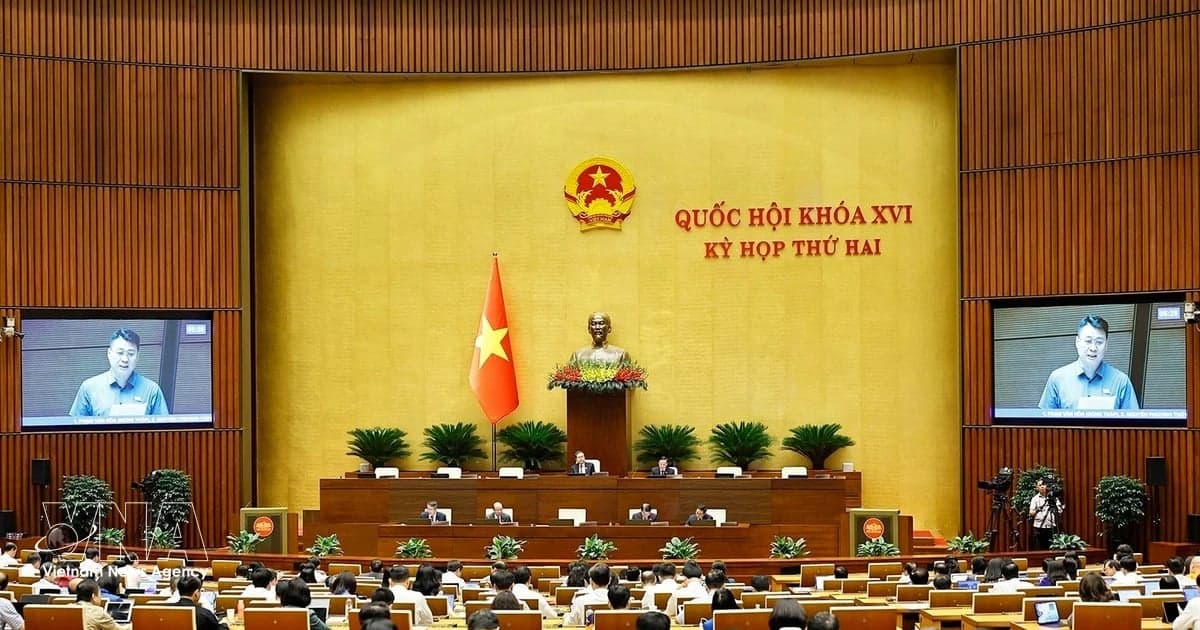
The 16th National Assembly debated the draft revised Penal Code and a draft resolution on its implementation at a plenary session on the morning of October 27. Lawmakers weighed tougher treatment of emerging crimes against broader options for leniency.
Deputy Phan Thi Thuy Linh from Thanh Hoa province said the draft's provisions on commercial legal entities were moving in the right direction, individualising responsibility and removing legal-status obstacles. She said lawmakers still needed to clarify who decided, directed or approved the conduct, through which person or unit, and under what authority. Labour relations, a management title or benefits gained by a legal entity from an offence are not enough on their own to trigger criminal liability.
On penalties for people committing crimes in the name of a legal entity, Linh said responsibility must match actual conduct, fault and role. A job title cannot serve as evidence of guilt, she said; authorities must assess the person who actually decided, directly directed or committed the offence.
Deputy Le Van Dong from Ho Chi Minh City said leniency for people who voluntarily plead guilty and accept penalties should match the corresponding mechanism in the draft revised Criminal Procedure Code, which competent authorities had already considered. He said the policy should be written into law and differentiated by degree. Voluntary guilty pleas and acceptance of penalties show acceptance of responsibility and speed up proceedings, so courts should be able to apply different levels of leniency. Reducing penalties for such pleas is a distinct measure with its own legal value and policy goal, and must align with the criminal procedure mechanism.
Gaps in high-tech crime regulation
Minister of Public Security General Luong Tam Quang, speaking for the draft's developers, presented a report responding to lawmakers' comments. He said the drafters had added 24 offences for which commercial legal entities could face criminal liability. They cover human trafficking, fraud and property appropriation; business, trade and services; environmental offences, food and drugs; personal data violations; and insurance, invoices and vouchers.
According to the minister, narrowing the death penalty's scope further is intended to put the Party's judicial reform policy into law, reduce capital punishment and limit its practical use while taking account of global trends and international integration in criminal law. “This is a policy implemented through several amendments to the Penal Code. From 1985 to now, the number of offences carrying the death penalty has fallen from 44 to 10,” he said.
The drafting agency had also identified many new socially dangerous acts, especially in high technology, information technology and the economy. Adding new offences would help codify the Party's views on private and state-sector economic development, a disciplined, safe and civilised society, balanced development and deeper international integration. The changes should also meet national defence and security needs and support the fight against crime in the new situation.
Sources: VietnamPlus / Vietnam News Agency

