
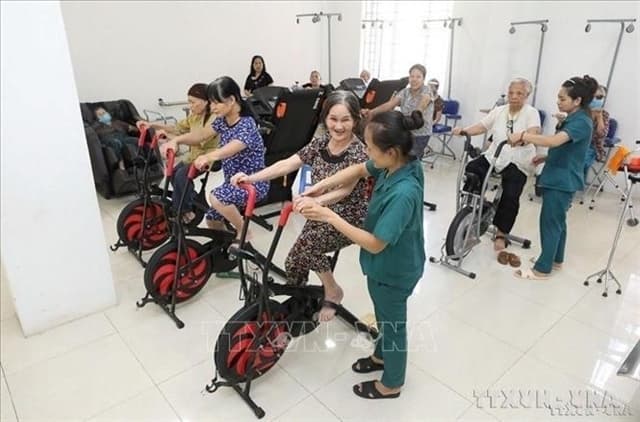
HÀ NỘI. Việt Nam aims to establish a comprehensive, digitalised, multi-tier social security system that guarantees a minimum social protection floor for all citizens by 2030. Decision No. 1960/QĐ-TTg, signed by Deputy Prime Minister Phạm Thị Thanh Trà, sets the target and approves a plan on social security policies and support for vulnerable people. By 2045, the system is expected to approach developed high-income country standards, with quality services, sustainable financing, transparent governance and rapid responses to risks. The minimum floor must cover essential healthcare, basic income and development opportunities for children; support working-age people facing job loss, loss of livelihood, maternity, accidents or disability; and guarantee income and essential care for older people. Mandatory, voluntary and supplementary insurance will expand with participation from the State, businesses, communities and families. The plan includes universal social security records, dedicated service points, social assistance reform, expanded social insurance, an inclusive labour market, a family- and intergenerational-based system, the care economy and a national modernisation programme by 2030 with a vision to 2045. It also provides equal opportunities for children and vulnerable groups and strengthens resilience against disasters, epidemics and the green transition.
Employing people with disabilities
Vietnam is modernising employment support and long-term care. Support for working-age people will link skills training, employment counselling, credit access and business connections, while training will be assessed by actual employment. Businesses will be encouraged to recruit people with disabilities, people who have completed drug rehabilitation, people who have served prison sentences and older workers. Vulnerable groups will receive job-placement and career-guidance services. Households with older members or people with disabilities will receive priority access to livelihood pilots and preferential loans. Vietnam will develop a national care-economy strategy integrating healthcare, rehabilitation, social work and family and community care, as well as networks for day care, respite care, disability assistance, palliative care and mental-health support. Pilot long-term-care insurance schemes will be assessed in selected localities. Care occupations will be standardised, with training and policies for social workers, carers and home-based caregivers. Social-housing models will be developed for older people living alone or in isolation. Sources: Viet Nam News
Sources: Viet Nam News

