
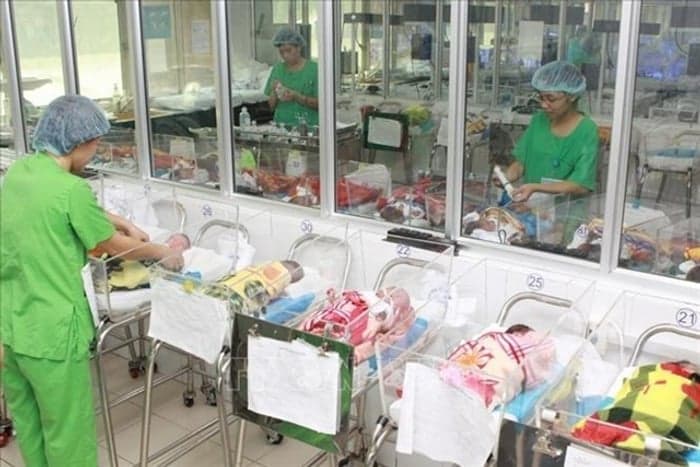
The maternal mortality rate is to be reduced to below 40 per 100,000 live births nationwide, and below 60 per 100,000 live births among ethnic groups and in mountainous areas by 2030.
The targets are set out in Decision 3373/QĐ-BYT approving the Action Plan on Maternal and Newborn Health Care for 2026–30. The Ministry of Health issued the decision on Saturday.
The plan aims to improve maternal and newborn health, reduce maternal and newborn mortality, narrow regional gaps and help implement the National Strategy on the Protection, Care and Improvement of People’s Health through 2030.
Under the plan, at least 90 per cent of pregnant women should receive four or more antenatal examinations. The minimum target for ethnic groups and mountainous areas is 85 per cent.
The proportion of births at health facilities is also expected to exceed 98 per cent, with a minimum of 95 per cent among ethnic groups and in mountainous areas.
To implement the plan, the ministry has assigned specific tasks to its units.
The Administration of Maternal and Children’s Affairs will act as the focal point. It will develop annual plans and organise, monitor and coordinate activities.
The Department of Planning and Finance will monitor and report on direct and indirect investment in maternal and newborn health-care programmes.
The Health Insurance Department, working with the Administration of Maternal and Children’s Affairs, will study and provide evidence for expanding insurance payments for preventive services, antenatal care, postnatal care and childcare in line with the roadmap.
The Department of Personnel and Organisation will guide localities in strengthening the health-care system, including the reproductive health and maternal and child health-care network.
It will also improve policies to recruit and train specialised obstetric and paediatric health workers, including village midwives, for primary health facilities in disadvantaged areas.
In the professional field, the Department of Medical Services Administration is responsible for medical, technical and operational work within the examination and treatment system.
Working with the Administration of Maternal and Children’s Affairs, it will develop, supplement and revise professional and technical guidance on maternal, newborn and child health care.
The Department of Science, Technology and Training is responsible for the quality of training for health workers and postgraduate specialists, including in maternal, newborn and child health care.
The Department of Disease Prevention will work with the Administration of Maternal and Children’s Affairs to prevent parent-to-child transmission of HIV, syphilis and hepatitis B. It will also organise vaccination activities for pregnant women, mothers and children.
Hospitals assigned by the ministry to provide technical guidance in obstetrics, gynaecology and paediatrics must strengthen professional and technical support for lower-level facilities. They will also regularly hold training courses to update knowledge and improve the practical skills of health workers in maternal and newborn care.
Provincial and municipal departments of health will advise on the action plans and submit feedback to the relevant authorities for consideration and approval in accordance with regulations.
The ministry has also recognised the need for policies to attract and retain obstetric and paediatric doctors, midwives and nurses specialising in obstetrics, gynaecology and newborn care for long-term work in ethnic communities, mountainous, border and island areas and other disadvantaged localities.
Training will be linked to each locality’s workforce needs. Priority will be given to recruiting and training local residents as health workers and ensuring appropriate job placement after training.
Sources: Viet Nam News

