
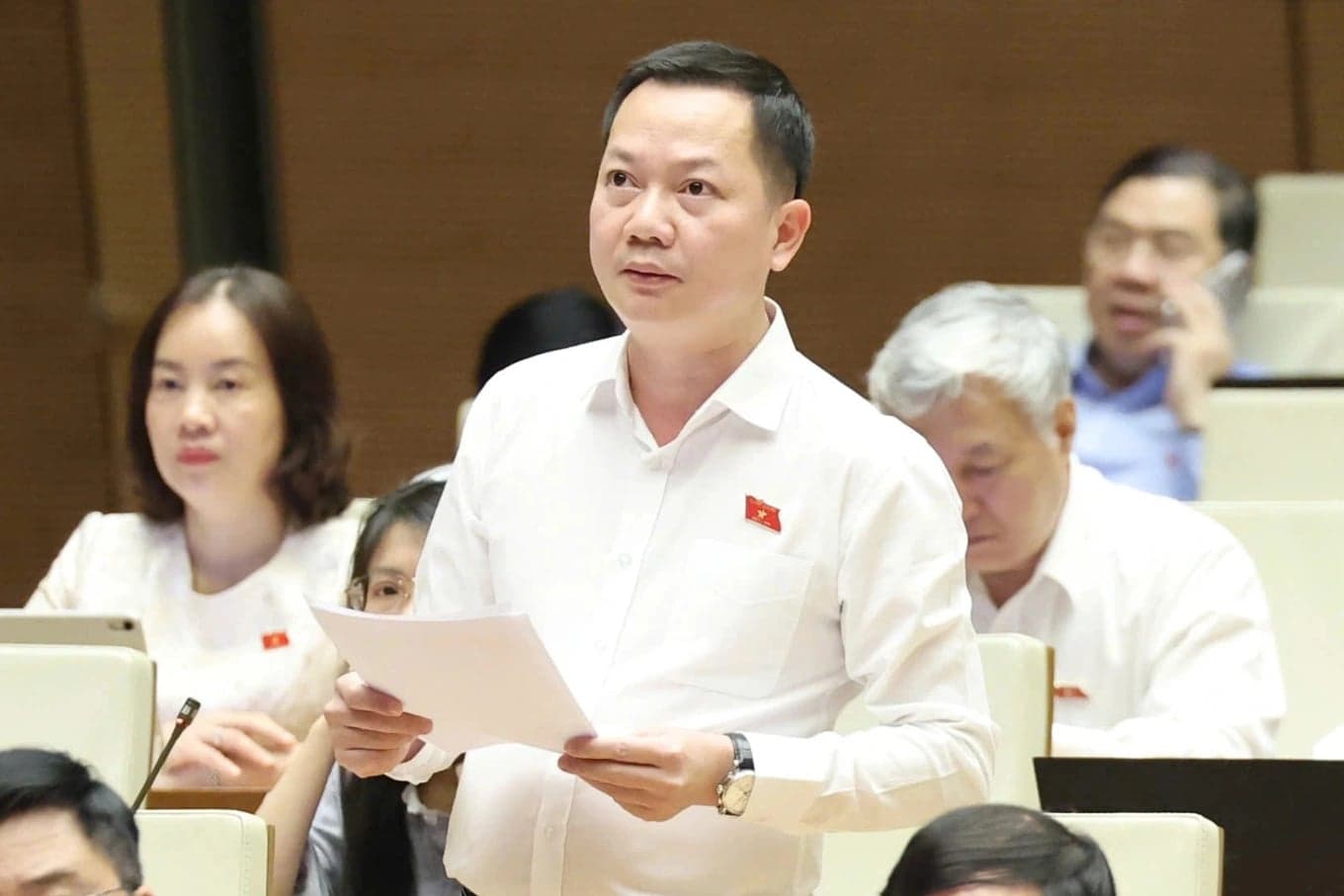
National Assembly deputy Trinh Xuan An, who works on the Committee for Defence, Security and External Relations, made the proposal on the morning of October 31 during a discussion of the country's socio-economic situation.
Assessing growth quality through people's real incomes
Assessing Vietnam's socio-economic development in 2026, deputy Trinh Xuan An said accelerating growth next year would require capital. He described capital as the energy source for production and business.
With strong demand for infrastructure and major projects, he said the government should ensure that businesses, especially small and medium-sized enterprises, can access financing at suitable rates so they can maintain operations and invest in development.
He proposed that the government make lower actual lending rates a management priority, coordinate liquidity regulation, reduce the cost of capital and banks' operating costs, and make post-incentive interest rates and fees transparent. This would allow businesses to reduce their borrowing burden, he said.
He also proposed extending repayment terms for companies facing temporary difficulties but having viable recovery plans, and considering debt payment freezes in cases that meet the conditions.
At the same time, he said lower rates must go together with banking-system safety, exchange-rate stability and inflation control.
The deputy said double-digit growth should be linked to a fundamental change in the development model so the country grows faster while becoming stronger in substantive and sustainable ways.
“A larger GDP must go together with greater accumulation, more mature Vietnamese businesses and a better life for the people,” he said.
The deputy said average worker income rose by about 9% in the first nine months, while the consumer price index increased by 4.52%, meaning real income rose by about 4.3%. Living conditions improved for low-income people, factory workers who rent rooms and informal-sector workers, but average figures do not fully reflect the burden of expenses.
“Behind the growth figures, people want to know how much they can save after covering their living costs. Businesses want to know what resources remain after expenses and interest payments to invest in technology, raise productivity and grow,” An said. If these capacities remain limited, he said, the country must identify the bottlenecks that prevent the gains of growth from reaching every family and business.
The deputy from Dong Nai province proposed that the government assess growth quality through real incomes, sustainable employment, people's ability to accumulate savings and domestic companies' capacity to reinvest.
He also called for closer control of essential-goods prices, lower housing, education and healthcare costs, reduced business expenses and stronger links so Vietnamese companies can participate more deeply in value chains.
“We cannot demand that every investment produce results immediately, but people must benefit from development during the growth process,” deputy An said. In his view, this is both the goal and the basis for creating purchasing power, confidence and momentum for sustainable economic development.
Students cannot be left waiting for new rules every exam season
Speaking about the importance of education and the need for long-term policy that is carefully prepared and consistently implemented, Trinh Xuan An pointed to shortcomings in examinations, admissions, extra classes, textbooks and the arrangement of schools in recent years.
These shortcomings, he said, require a coordinated review and improvements in education quality.
The deputy proposed studying and reassessing the current THPT graduation exam, clarifying its goals, necessity and effectiveness in relation to assessment of the learning process, admissions and student streaming. He said a format should then be chosen that is fair and reduces pressure and costs for families and society.
Every change in education affects millions of students, teachers and families. The impact must therefore be assessed fully, genuine opinions must be heard, changes must be announced early and a clear transition period must be provided.
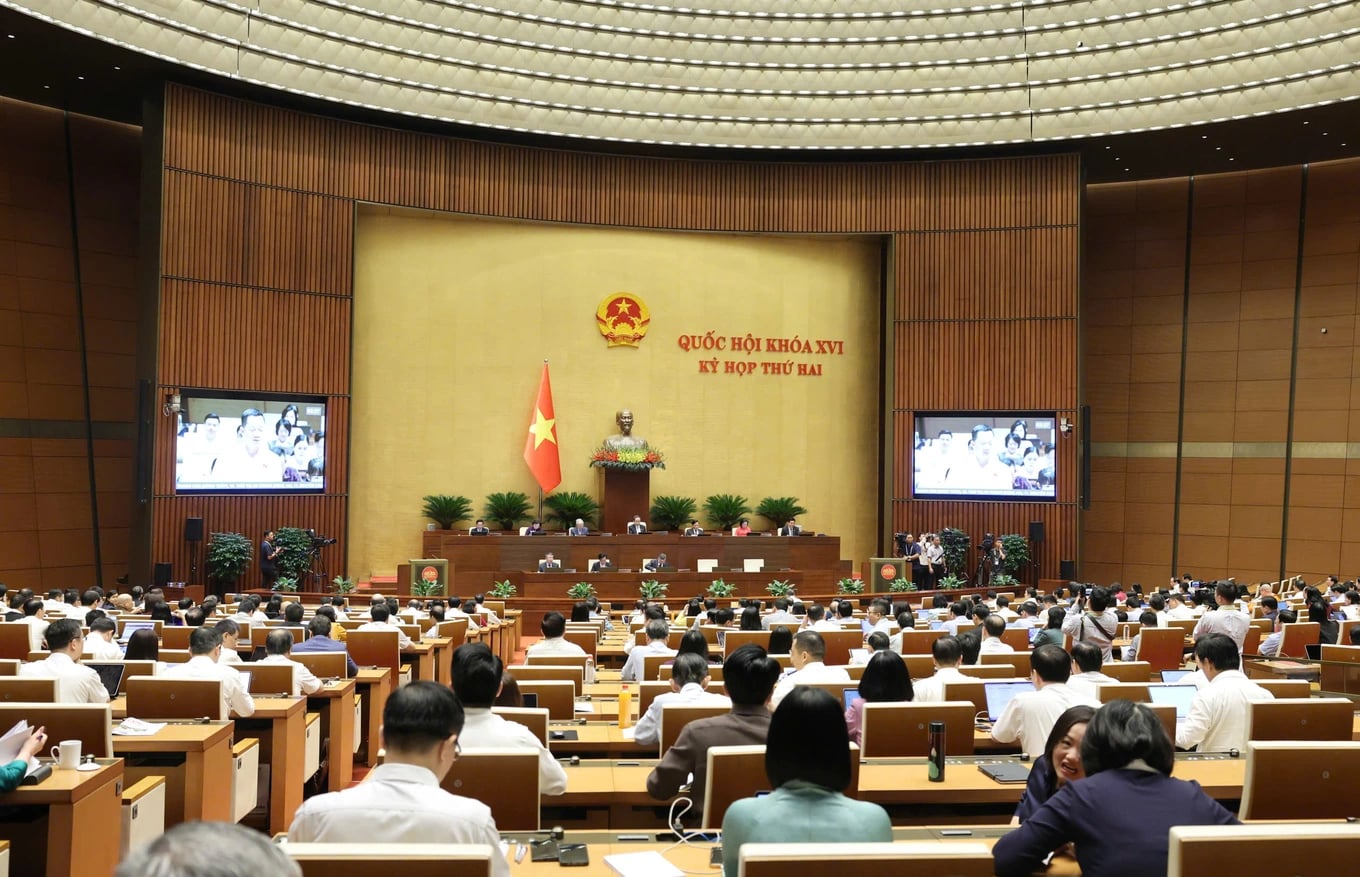
“Students and parents cannot be left anxiously waiting for new rules every exam season while schools and teachers are forced to adjust teaching and learning. Reform should help students learn substantively, give teachers confidence to teach and give families confidence in schools,” the deputy said.
Alongside modern knowledge, foreign languages and skills, he said education should also value history, traditions, patriotism and civic responsibility through engaging methods linked to practical experience.
On defence and security, Trinh Xuan An said that amid complex changes in the world, Vietnam should strengthen its forecasting capacity, autonomy and resilience, and link economic development with defence and security from the planning, investment and implementation stages.
He proposed prioritising the protection of critical infrastructure, energy security, data and cyberspace, as well as developing an autonomous, dual-use and modern defence and security industry.
Sources: Dân Trí

