

The reasons for delays need to be distinguished
On October 22, the government submitted a draft revised Land Law to the National Assembly. It proposes progressive charges on project land that is not put into use on schedule and recovery when the land remains unused for more than 60 months. The draft also changes mechanisms for determining land prices, compensation and resettlement.
Lawyer Pham Thanh Tuan of the Hanoi Bar Association said progressive charges and recovery for land left unused for more than 60 months would be reasonable.
Current law already provides measures for projects where land is not used for 12 consecutive months or use falls 24 months behind the schedule in the investment project. An investor may receive an extension but must meet additional financial obligations. If the land is still unused after the extension, it may be recovered.
Under the proposal, a payment that increases over time would raise an investor's financial responsibility for delayed land use.
"The rule increases financial pressure while giving businesses an opportunity to use the land. This is a reasonable approach," Tuan said.
The starting point and legal basis for calculating a delay need to be clarified. Authorities should assess violations against the land-use schedule, project documents and actual implementation.
Authorities should classify established delays as subjective, objective or force majeure. This would distinguish deliberately stalled projects from those delayed by legal obstacles.
Some projects are delayed because authorities have not completed land-price determinations, leaving companies unable to meet financial obligations. Others are held up by planning changes ordered by state agencies rather than requested by the investor.
"If the cause is subjective, such as an investor deliberately holding the land, an additional payment should be considered. Cases delayed by force majeure should be excluded," Tuan said.
Higher financial obligations over time could encourage investors to speed up projects, but financial sanctions alone would not resolve all stalled projects.
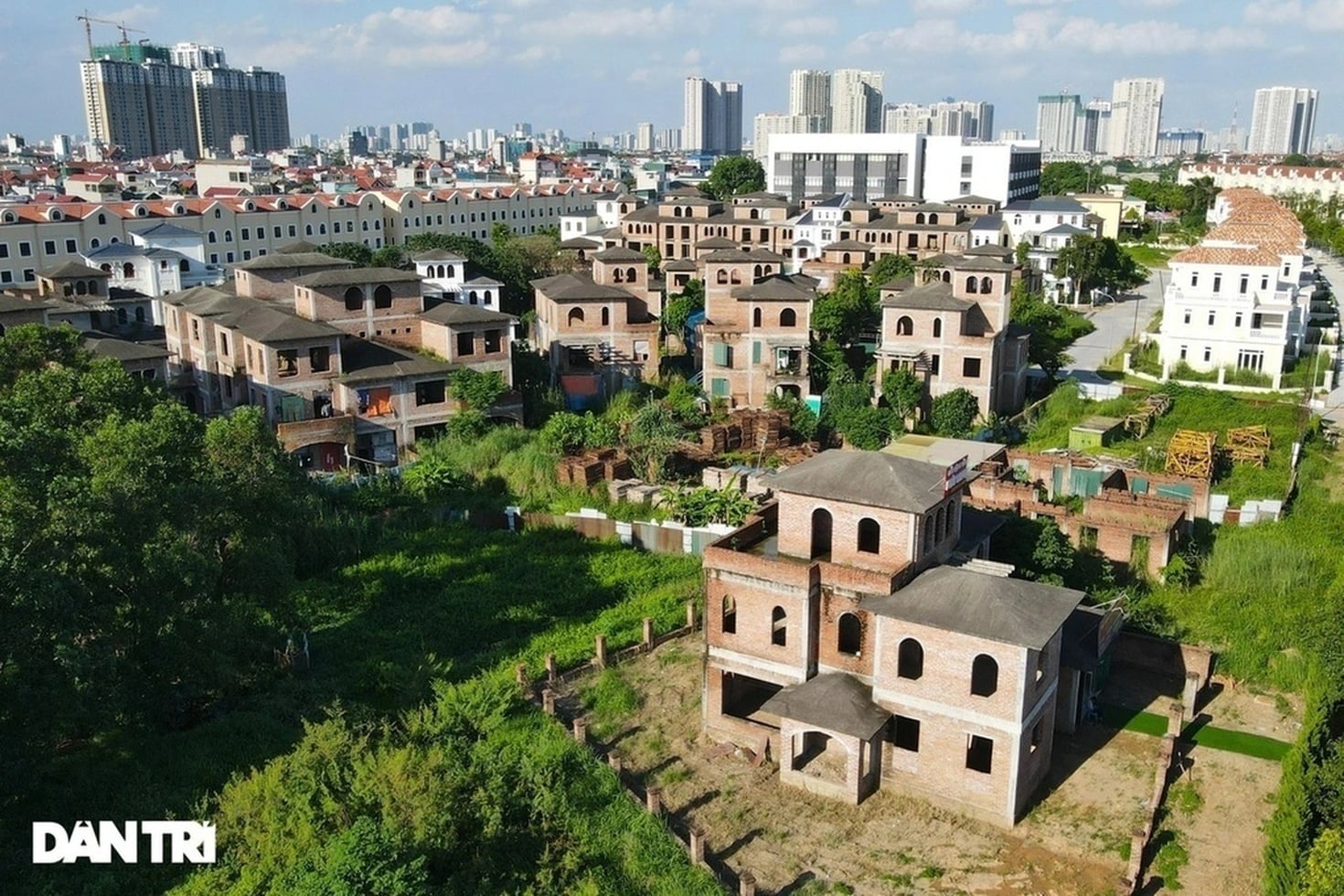
The government, ministries, agencies and local authorities should address legal obstacles at the same time. Resolving outstanding issues and completing procedures would allow investors to use the land.
Nguyen Thi Nga of Hanoi Law University said progressive charges could limit speculation, land banking and prolonged projects. She called for clearer deadlines for determining whether land is unused or delayed, so businesses can plan finances, raise capital and organize projects.
Changing the land-price mechanism
Nga said the revised mechanism should focus on input-data quality and transparency. Land-price information may come from transfer contracts, auction results, tax declarations or market surveys, but the reliability of each source differs.
A contract price may be below the actual transaction price, while an auction price may be unusually high. Without selection rules, the same plot could receive different valuations, affecting a company's financial obligations.
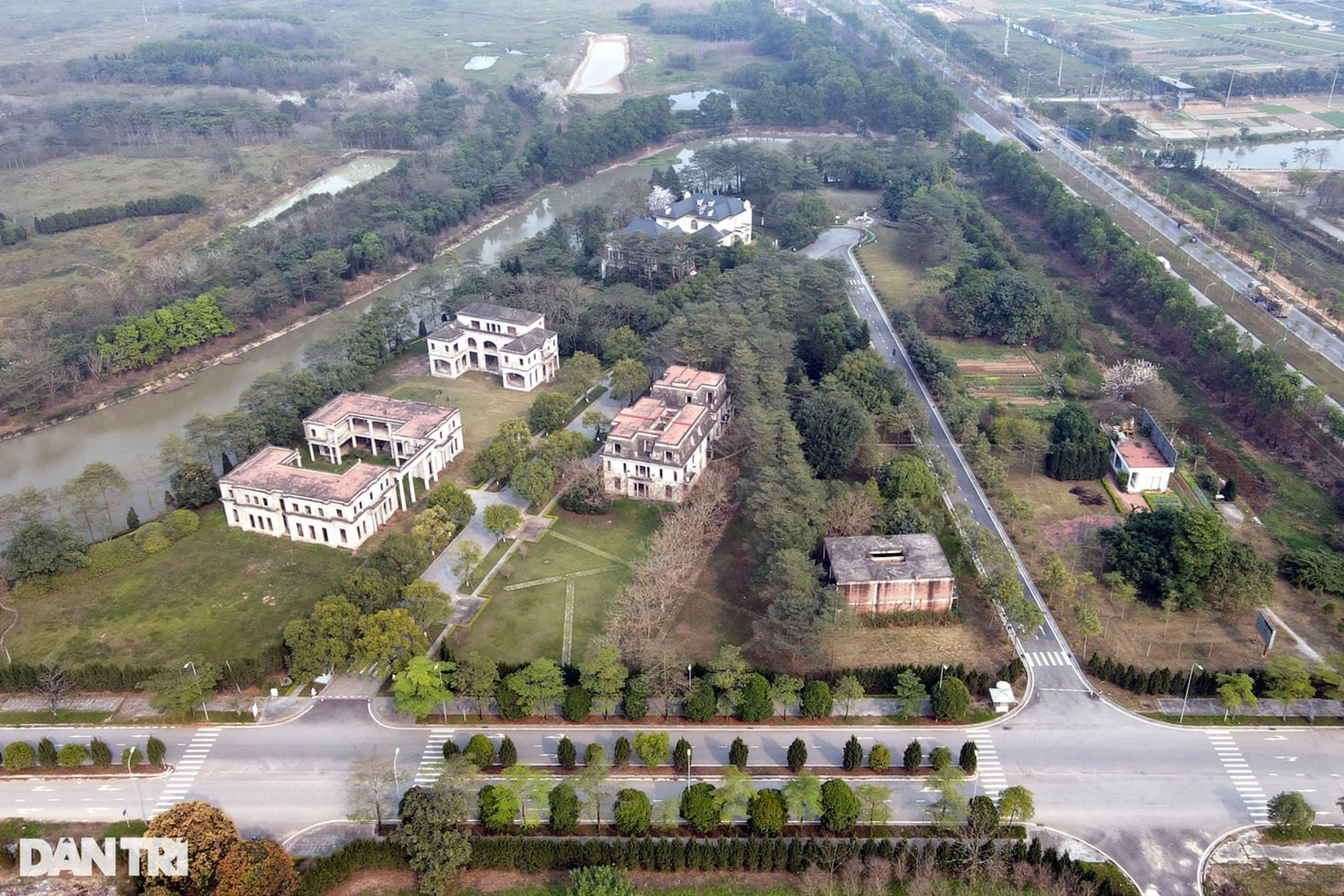
Nga proposed criteria including legality, authenticity, currency and comparability in location, use and infrastructure. She said common legal grounds for land-price adjustment coefficients could limit differences between provinces.
Nguyen Quoc Hiep, chairman of the Vietnam Association of Construction Contractors, said the draft contains more flexible rules for land users and valuation principles based on honesty, objectivity, openness, transparency and balanced interests.
Land prices affect users' financial obligations, companies' input costs and property prices. Hiep proposed clarifying how long land-price tables apply, when they should be adjusted and what market changes can justify changing the coefficient.
He also proposed applying the new mechanism consistently to projects without a land-price decision when the law takes effect.
Sources: Dân Trí

