
Rising inflation would erode the gains from growth
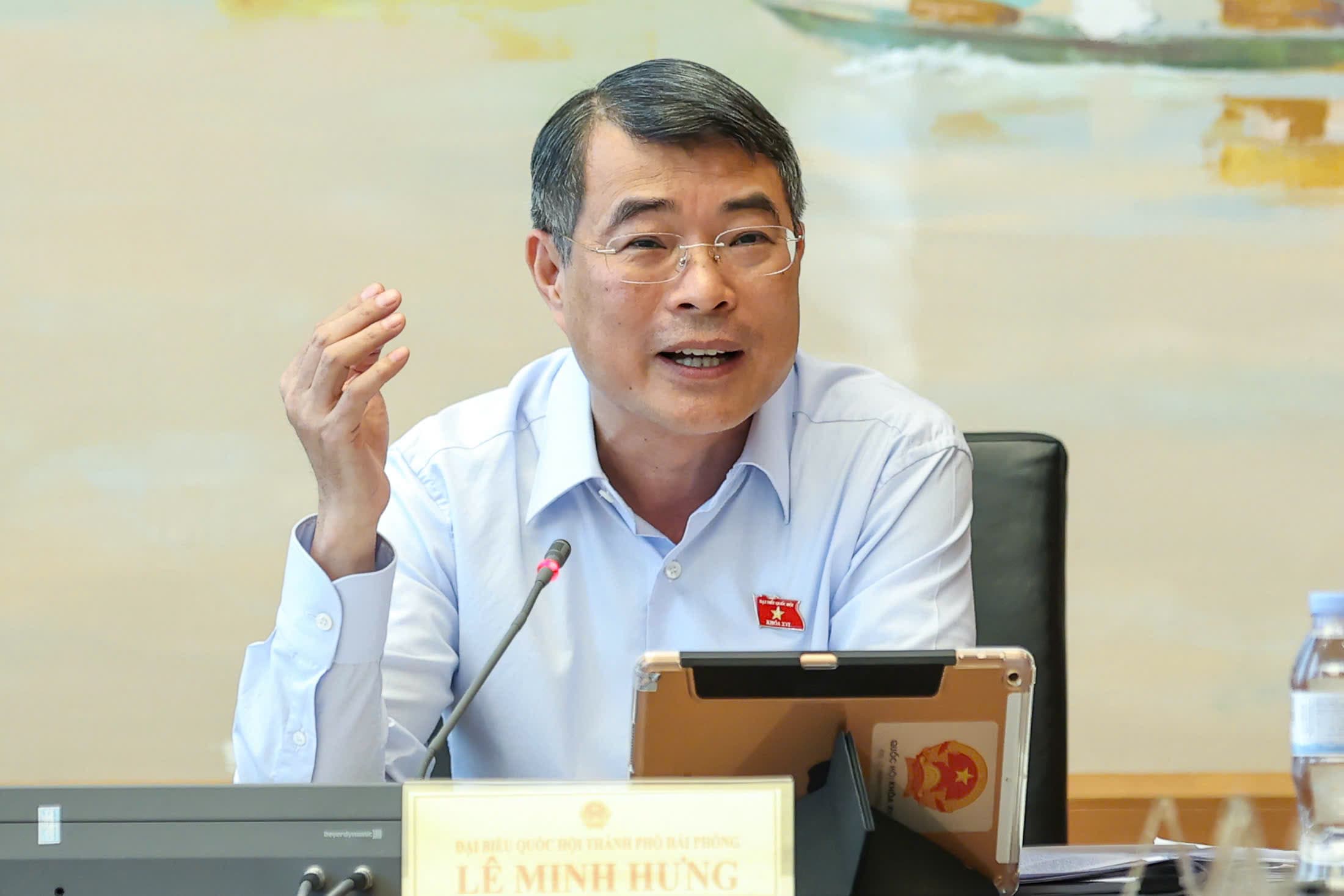
Continuing the second session of the 16th National Assembly, Prime Minister Le Minh Hung spoke at a group discussion on October 18 about efforts in macroeconomic management that kept inflation at 4.52% over the first nine months of the year.
With global fuel prices rising sharply, domestic fuel prices are expected to increase by about 60-80% without immediate tax measures. Higher fuel prices would then affect the prices of many other goods, including transport, travel and food.
“Countries facing strong inflation pressure have been forced to raise central bank interest rates to control inflation. But we are still ensuring sufficient fuel supplies at prices that are currently the lowest among countries in the region,” the prime minister said.
The prime minister said this year is focused on promoting growth and investing in science and technology, while demand for electricity has reached its highest level ever. Electricity generation needs to grow by about 1.3-1.5% for GDP to grow by 1%.
There have been difficult periods, but electricity supplies were maintained and electricity prices were not increased. This helped authorities keep tighter control over the prices of other goods and inflation.
“If inflation rises, the gains from growth will be eroded and residents will not benefit from those gains.
High growth is necessary to carry out socio-economic development tasks, but it must rest on a stable foundation. In 2027, the goal will remain maintaining macroeconomic stability. Measures will be applied together to control inflation and maintain the economy’s major balances,” the prime minister said.
“Surcharges and intermediaries must not push up fuel prices”
The prime minister said the government is firmly implementing directions from the Party Central Committee and the National Assembly to reduce input costs for the economy.
In the property market, measures and policies are being implemented to strongly develop social housing and rental housing. This will immediately push housing prices, especially apartment prices, downward.
Regarding land prices, after the National Assembly considers amendments to the Land Law, the state will regulate the market more strongly and determine land prices. “As a result, land and property prices will certainly fall,” the prime minister said.
The head of government said the fuel market would also be controlled. Authorities will amend a decree to cut intermediary layers in the fuel business and reduce additional costs.
Fuel prices naturally move with the market, but they will trend downward. Surcharges and intermediary layers must not be allowed to push fuel prices higher.
The electricity system and the structure of electricity companies must also be reorganized to reduce intermediary layers.
Speaking about medicine and medical equipment prices, the prime minister said the government’s demand that agencies fight violations and corruption had revealed very high intermediary costs. In the end, residents pay high prices for equipment and medicines. “This cannot be accepted,” he said.
At this session, the government will submit amendments to several relevant laws to the National Assembly. The amendments will cut intermediary layers so residents can access medicines and medical equipment at reasonable costs.
“Overall, all the measures we are determined to implement are aimed at reducing input costs, improving efficiency, productivity and competitiveness, and increasing value for the economy,” the head of government said.
Sources: Thanh Niên

