
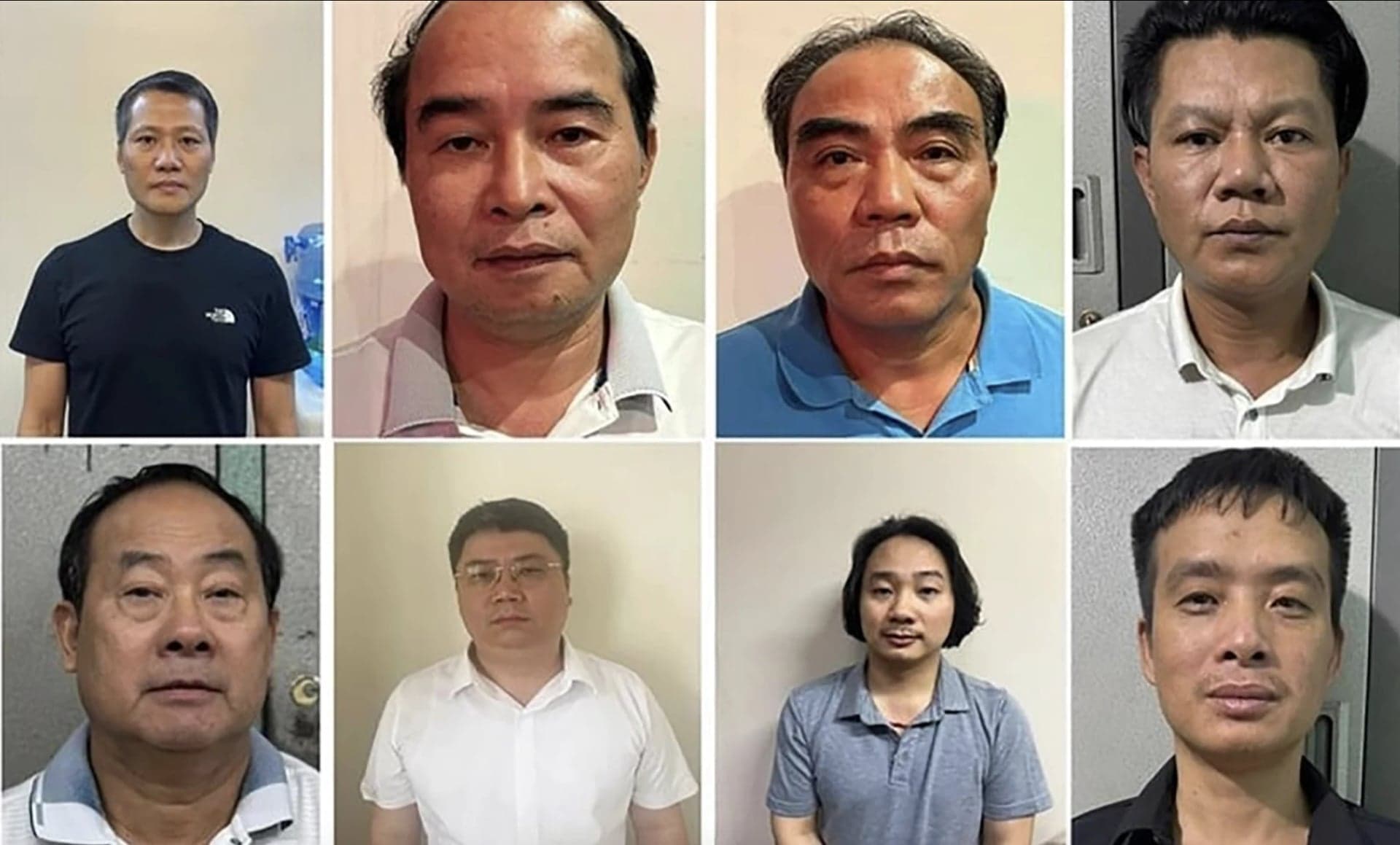
Vietnam's Supreme People's Procuracy recently issued an indictment against suspects in a case involving violations in iron ore exports in the former Lao Cai province and related organizations.
Intermediary cited ties to provincial party secretary
The indictment says that under Circular No. 12/2016 of the Ministry of Industry and Trade, iron ore was not on the list of minerals allowed for export. If there was no domestic demand, the provincial People's Committee where the mineral was mined and processed had to inspect the actual conditions and send a document to the ministry for consideration.
From 2015 to 2020, 11 companies used this provision. They bought iron ore and exported it abroad, seeking higher profits than they could get from domestic sales.
Company representatives approached former provincial People's Committee Vice Chairman Le Ngoc Hung and Department of Industry and Trade Director Do Truong Giang, either directly or through intermediaries. They asked them to arrange documents for the ministry so the companies could obtain export quotas.
One intermediary was Nguyen Ngoc Khiem, the director of a company in Lao Cai.
According to the indictment, An Binh Company Director Nguyen Duy Nghiep knew that Khiem had close ties with provincial leaders, including Nguyen Van Vinh, the secretary of the provincial party committee. Vinh had already been sentenced to four years in prison in a case involving the illegal extraction of millions of tonnes of apatite ore.
In late October 2019, Nghiep discussed with freelance worker Le Xuan Dinh a request for Khiem to help obtain an iron ore export permit. Khiem agreed and demanded payment. Dinh gave him 4 billion dong and 100,000 US dollars.
After receiving the money, Khiem asked Vinh to direct the provincial People's Committee to send the ministry a document for An Binh Company. Vinh told him to meet Vice Chairman Le Ngoc Hung and Director Do Truong Giang and said he would support the companies in line with government and ministry policy.
At the Lao Cai People's Committee headquarters, Khiem told Hung that he had reported to Vinh and received his agreement. He asked Hung to give instructions and sign the document quickly. Knowing that Khiem was close to Vinh, Hung agreed and told him to contact Giang so the department could receive the document after preparing it. Before leaving, Khiem gave Hung 100 million dong.
Khiem then went to Giang's office and said that the party secretary and vice chairman had approved the matter. Giang, noting Khiem's connections and that his superiors had given the go-ahead, explained how to submit the documents and received 50 million dong.
The Lao Cai People's Committee subsequently sent the ministry a document proposing that An Binh Company be allowed to export iron ore. However, the exports were suspended in January 2020.
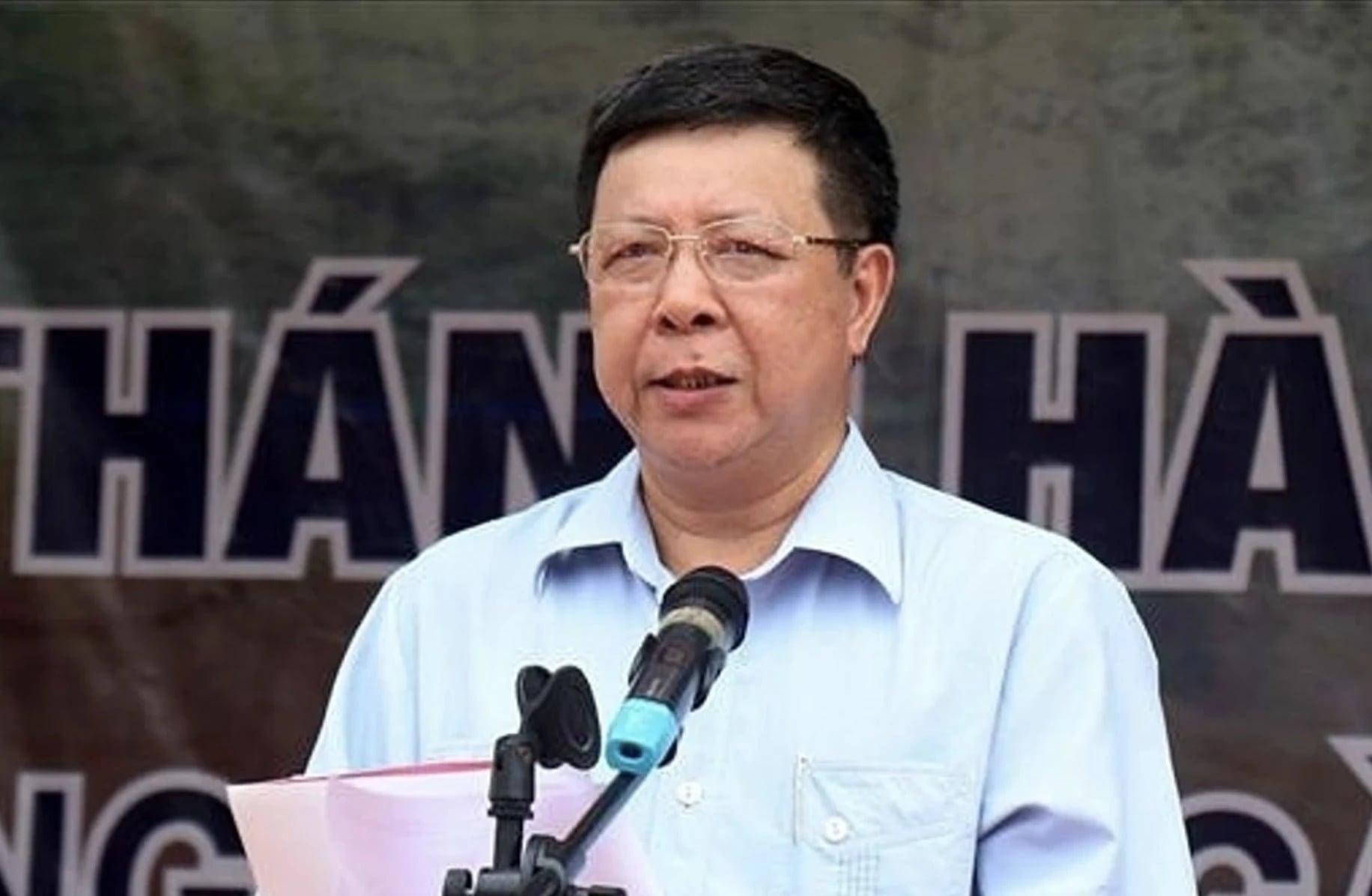
250 million dong for Khiem to «drink water»
Not knowing why the exports had been suspended, Director Nguyen Duy Nghiep again asked Le Xuan Dinh to approach Khiem and seek help in restoring the company's exports. This time, Dinh gave Khiem 250 million dong for «drinking water».
After receiving the money, Khiem learned that An Binh Company lacked a plan for transporting the ore and an environmental protection plan, which was why the exports had been suspended. He told the company and helped it complete the procedures needed to resume exports.
Investigators determined that Khiem received 3.85 billion dong and 100,000 US dollars for helping An Binh Company. He was indicted for using influence over officials to obtain personal gain. The 250 million dong «drinking water» payment did not provide sufficient grounds for criminal prosecution, but Khiem was ordered to repay it as illicit gain.
Former Lao Cai Vice Chairman Le Ngoc Hung and department director Do Truong Giang were indicted for violating their official duties for personal gain and out of favoritism. They agreed to a proposal to issue the document to the ministry without ordering an inspection of the companies' actual conditions. Hung received 355 million dong in illicit benefits, while Giang received 500 million dong.
Regarding representatives of the 11 companies that approached Hung and Giang directly or through intermediaries, the procuracy found that they paid money after the companies had received permission to export. The sums were small and there had been no prior agreement, so there were no grounds for criminal prosecution.
The investigation also found no grounds to prosecute officials from the Ministry of Industry and Trade who helped advise on and decide whether to allow the iron ore exports. The investigation said they acted within their assigned powers and found no agreement to give or receive money.
Sources: Thanh Niên

