
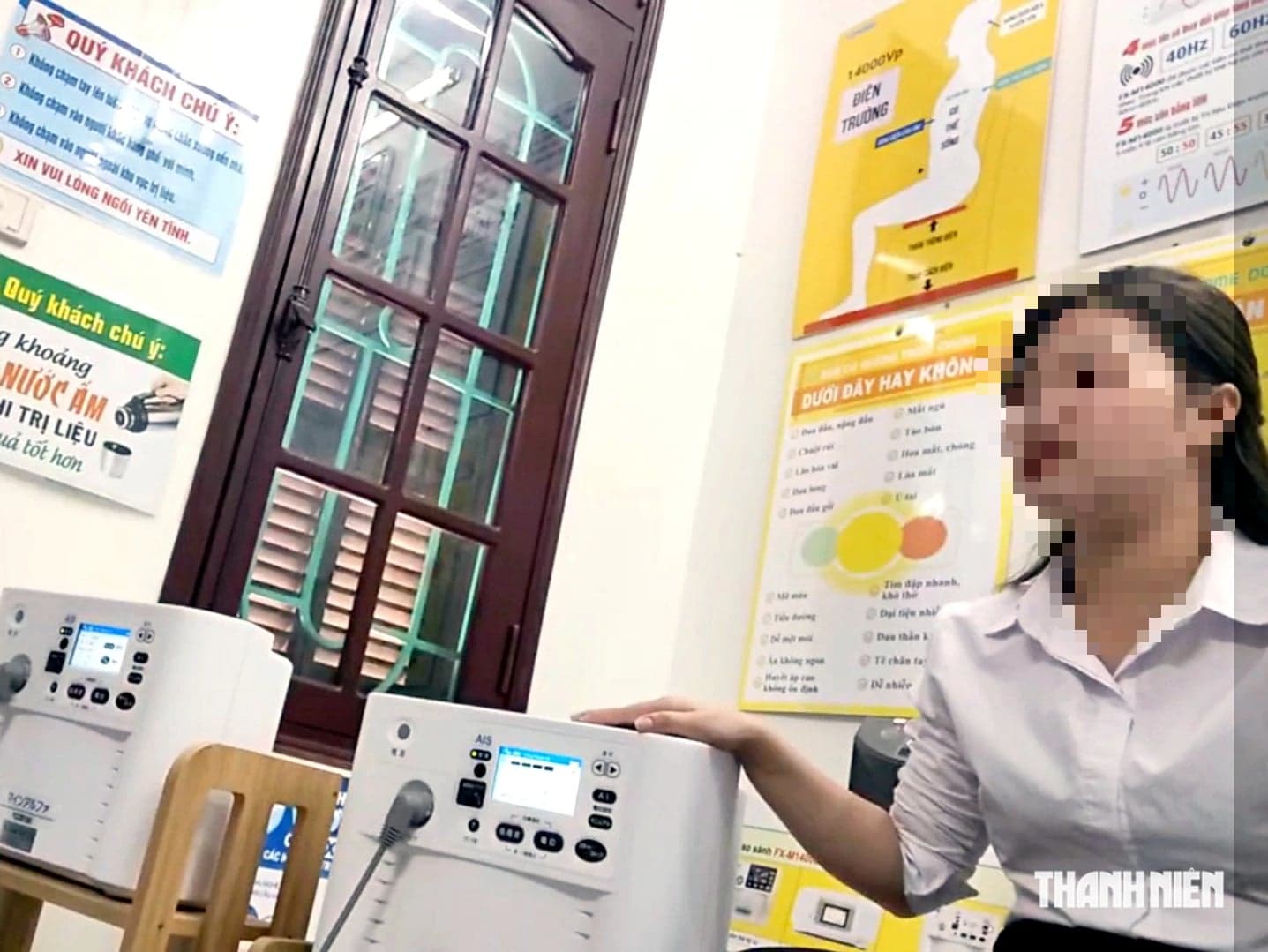
A Thanh Nien investigation found a gap between the functions listed by a Japanese manufacturer and claims made by sellers in Vietnam. FX-M14000 and FX-14000 Fujiiryoki devices were promoted in Hanoi for hypertension, diabetes, high cholesterol, nervous-system disorders and stroke prevention.
When registration documents become advertising proof
Staff cited registration papers and certificates and told customers with chronic illnesses that they could reduce or stop medication if they felt better after using the machines. Fujiiryoki's Japanese website lists four symptoms for one electrical-therapy function: headaches, stiff shoulders, insomnia and chronic constipation. The manufacturer also gives warnings for people with pacemakers and some heart conditions.
When asked for evidence that the machines could prevent strokes, a staff member cited Japanese, Vietnamese and ISO certificates but did not provide a clinical study.
The gap between self-declaration and verification
Under Decree 98/2021/ND-CP, class-B equipment can use a standards-declaration mechanism before entering the market. Registration papers, quality-management certificates and clinical evidence are different documents, and permission to sell does not automatically prove treatment effectiveness.
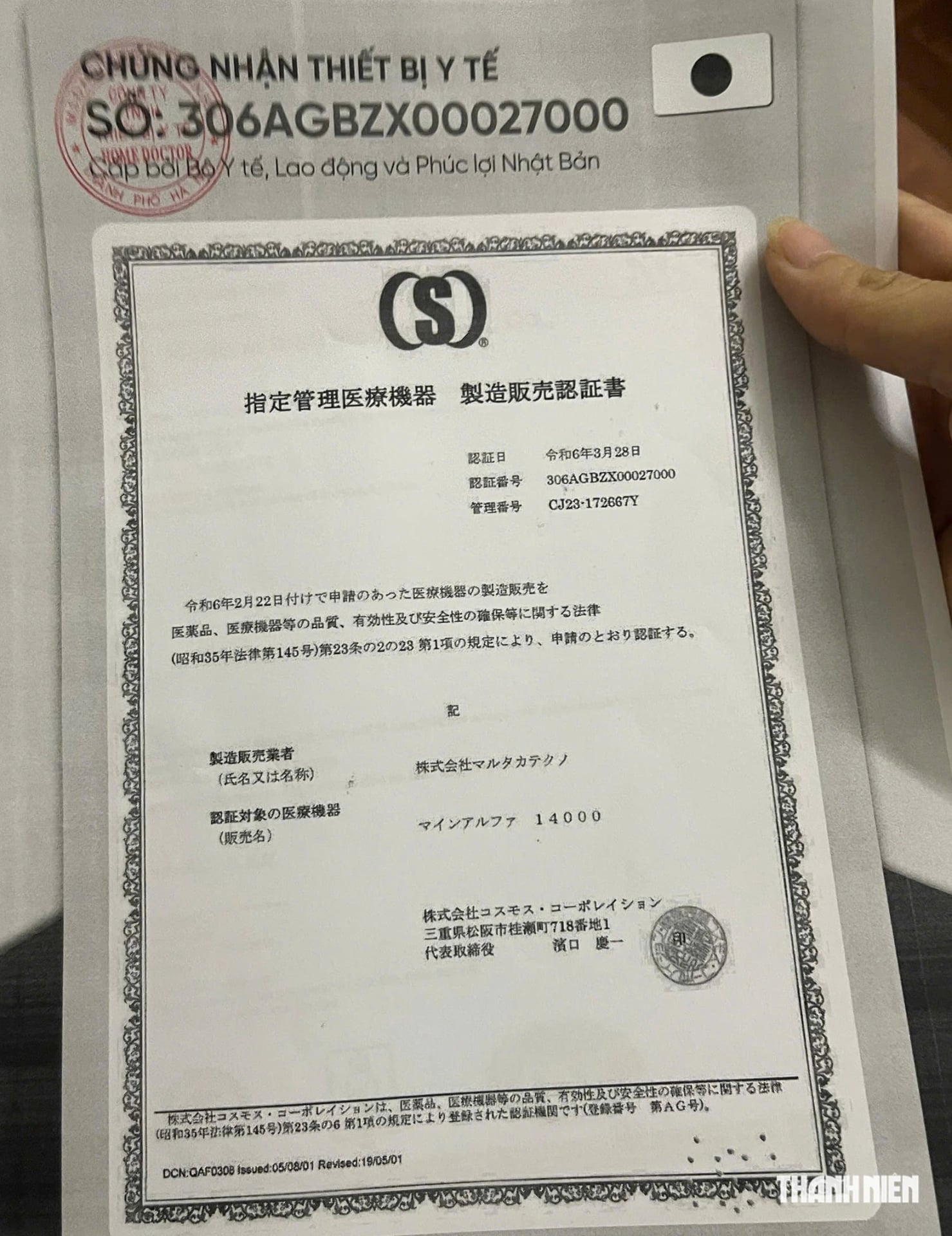
Article 61 requires device information to be complete, objective, accurate, truthful, understandable and not misleading. Decree 342/2025/ND-CP changed medical-device advertising rules from February 15, 2026.
At the Hanoi centre, older visitors received free trials and advice based on the health information they supplied. Staff said the centre had no doctor and was not a clinic. Journalists recorded an employee telling a person with hypertension that they could reduce or stop medication if they felt better.
How much protection do consumers have?
Professor Pham Manh Hung, director of the Institute of Cardiology at 19-8 Hospital, said he had not seen reliable clinical evidence that the advertised household high-voltage machines treat hypertension, heart-rhythm disorders or prevent strokes. Feeling better or seeing lower blood pressure after one session does not prove a treatment effect.
Journalists recorded a woman with diabetes skipping her midday dose after trying a machine. Another family said a woman nearly 80 stopped taking blood-pressure medicine after believing the claims.
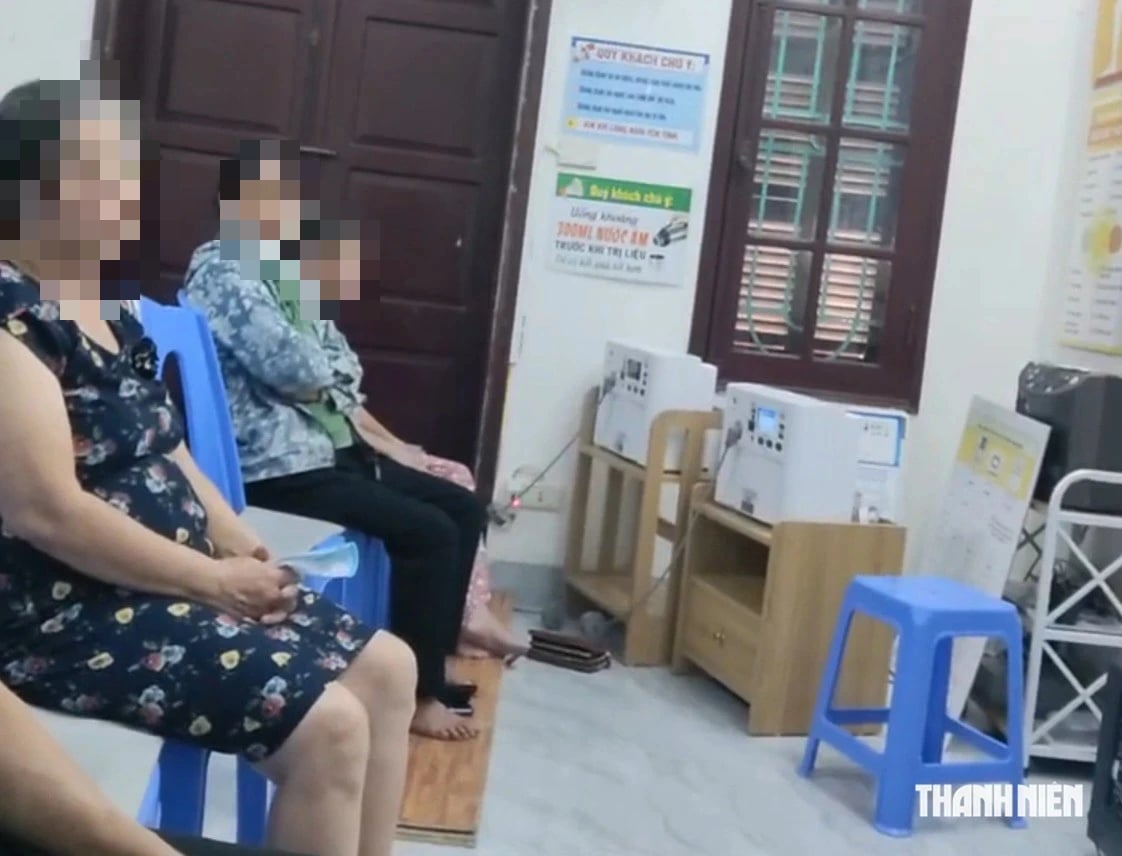
The cases show that inaccurate medical-device claims can cause financial loss and put patients' health at risk. Thanh Nien sent questions to the manufacturer and the Ministry of Health and said it would report further responses.
Sources: Thanh Niên

