
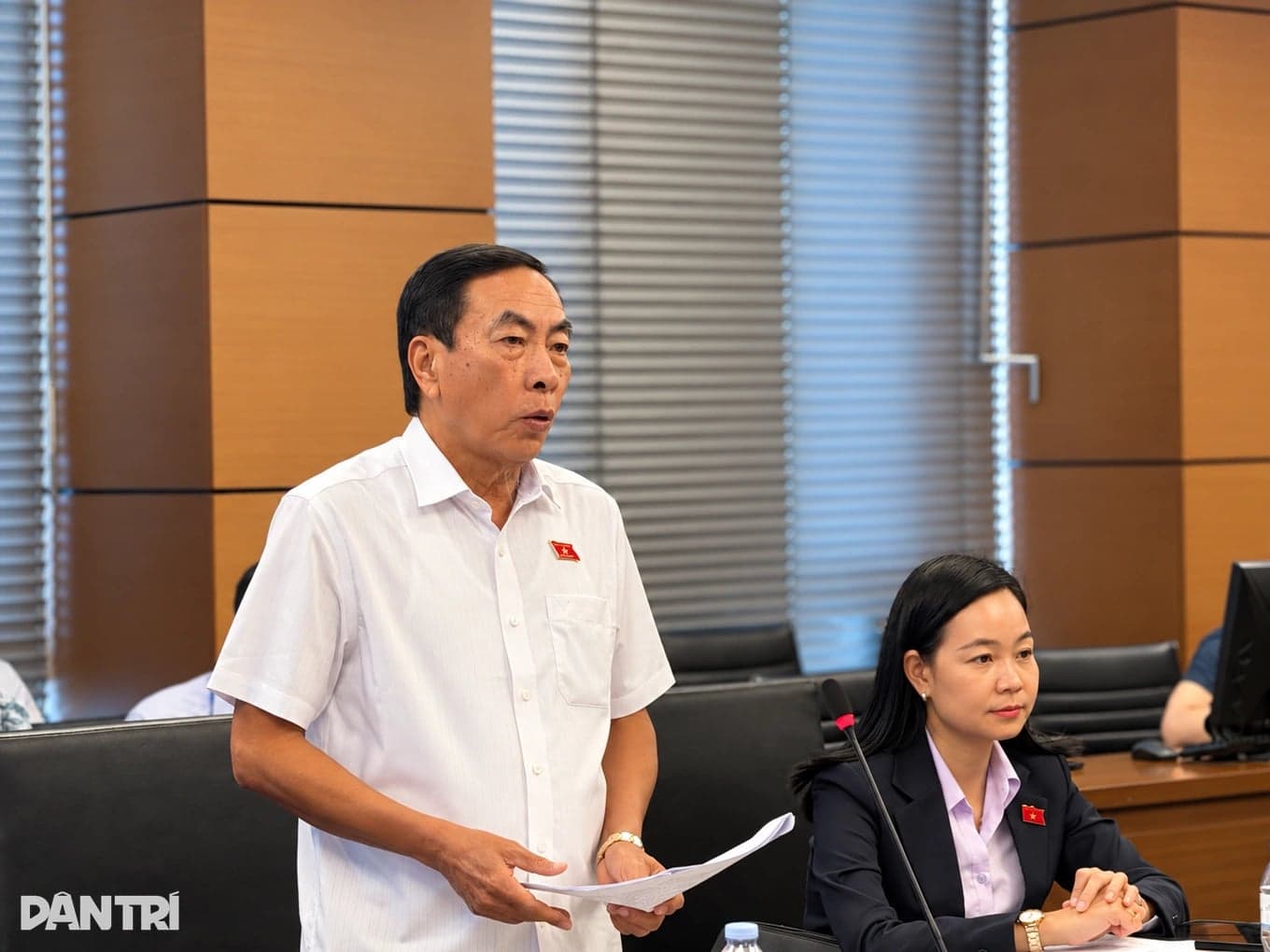
During a group discussion on October 22, Deputy Pham Van Hoa of Dong Thap said apartment management still faced difficulties, including disputes between developers and management boards over maintenance funds. Developers must transfer 2% maintenance funds after a board is established, but some delay or fail to do so.
At large apartment buildings, the fund can reach hundreds of billions of dong. Residents pay it for repairs and maintenance, but some developers retain the money for other purposes. Hoa said enforcement was needed when a developer refused to transfer a large sum and questioned whether such a rule would work in practice.
Separate accounts and clear enforcement deadlines
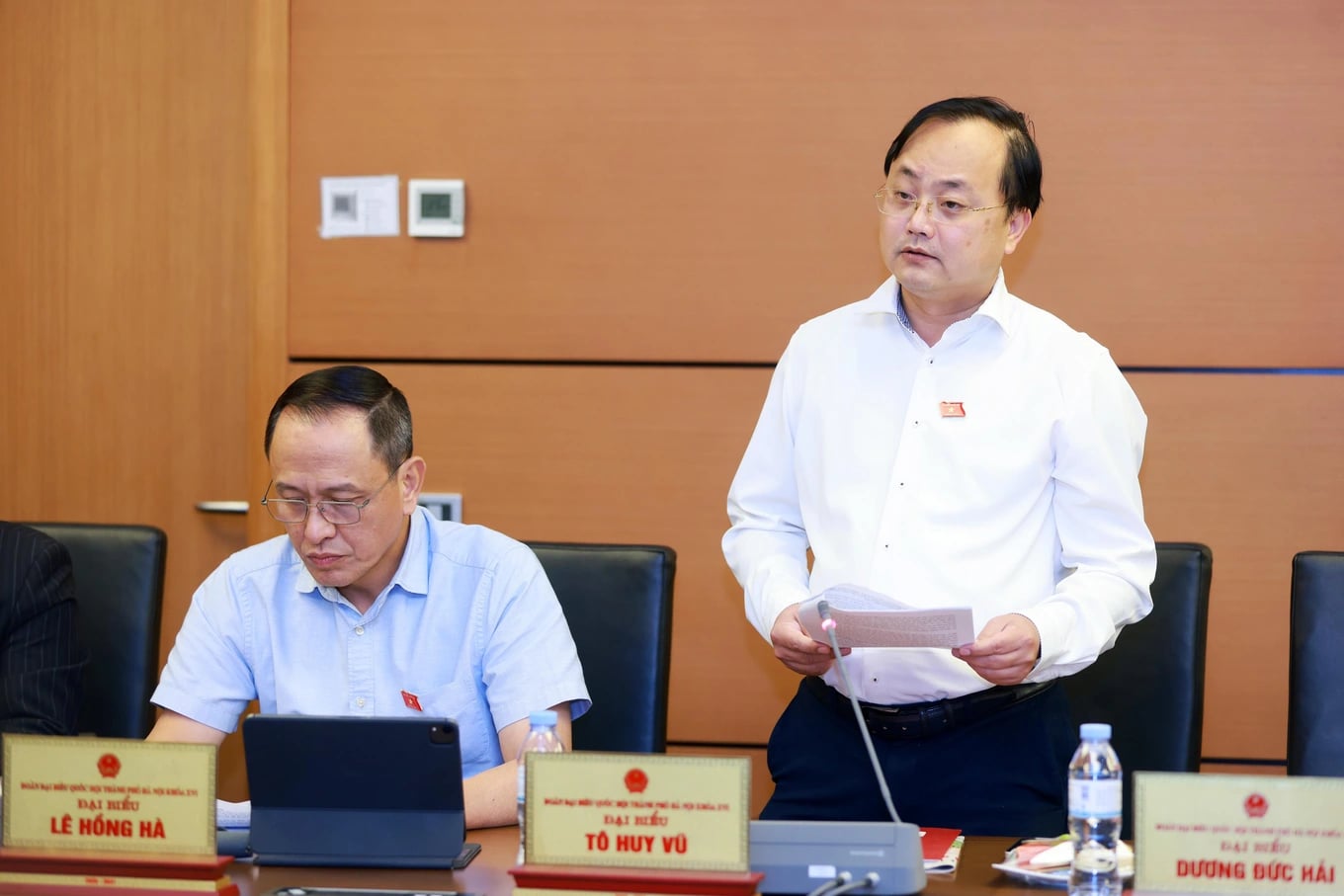
Deputy To Huy Vu of Hanoi said specific protections should remain in the law. He said Article 104 of the draft removed the 30-day, 15-day and 10-day deadlines and the authority to order forced recovery of the 2% fund provided for in the 2023 Housing Law. Article 105 also removed a ban on using the fund for management and operations, along with invoice and reporting requirements.
Vu proposed restoring Articles 103, 104 and 105. The money should be kept in a separate blocked account, with clear enforcement deadlines and authority. Spending should be tied to a long-term maintenance plan, with reports to the apartment meeting. Commune capacity should be assessed before additional authority is transferred, with staff and funding plans.
Transparency and common and private ownership
Deputy Nguyen Thi Tuyen proposed greater transparency and accountability from management boards and developers on maintenance funds and common and private areas. She said disputes remained complicated and affected commercial apartments, social housing and future rental housing. Areas should be divided clearly at the project stage.
Tuyen proposed clarifying developer responsibility for delays in handing over homes and completing certificates. Legal information, construction progress, financial obligations and mortgage status should be public. She said some residents had pursued projects for decades and called for clear sanctions.
Under Article 103, apartment buyers and rent-to-own purchasers must pay 2% of the purchase or rent-to-own value as a maintenance fee, stated separately in the contract. Article 104 requires a fund account and transfer to the management board after it is formed. Under Article 105, the money may be used only for common-property maintenance and upgrades under a plan approved by residents. Owners must contribute again when the fund is exhausted.
Sources: Dân Trí

