
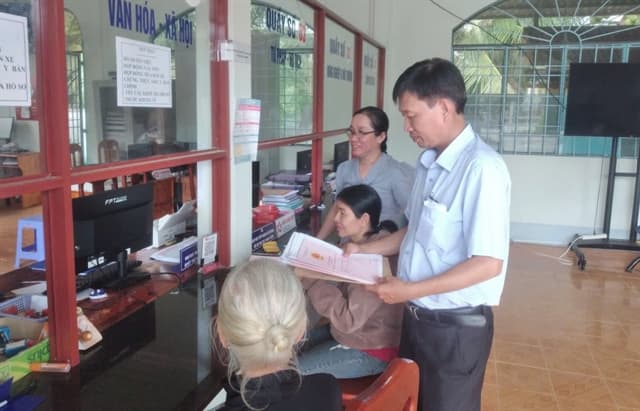
VINH LONG. On any given day, Võ Thị Lệ Hiền might start with forms for a national rural development programme, deal with neighbours complaining about a livestock farm's smell and spend the afternoon helping a food producer understand labelling requirements. A year ago she covered one policy area. Now she covers five, and she had not worked in any of them before.
Hiền is a civil servant in Trung Hiệp, a rural commune in the Mekong Delta province of Vĩnh Long. Work related to her rural development degree became a maze of targets, templates and paperwork. Many colleagues now juggle three or more policy areas, and weekend work is routine.
Last year, as part of the Communist Party's drive to streamline the apparatus, Việt Nam scrapped its district tier of government, merged 63 provinces and cities into 34, and folded roughly 10,000 communes into about 3,300 larger ones. The district tier disappeared. The work did not. In An Giang, officials have counted nearly 1,600 tasks passed down to communes. Rạch Giá now has more than 260,000 people under a single ward office.
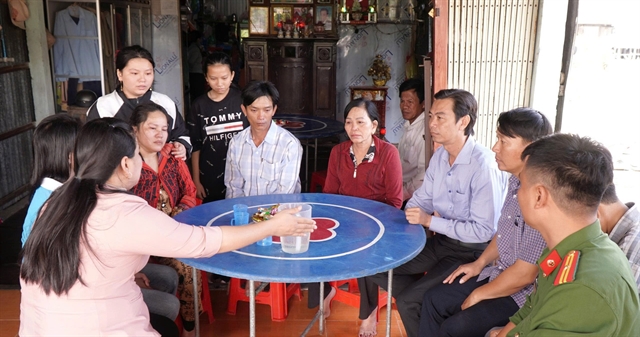
The province's own assessment says some officials are struggling with the bigger territory and wider powers. Cần Thơ has adopted the slogan 'one person, many jobs' and handed communes new powers over paperwork, budgets and small investment projects. When the commune holds the pen, it also takes the blame. A delayed land case or missing permit stays on the commune's desk.
Early figures from some places are reassuring. In Nguyễn Phích, a commune in Cà Mau, almost 99 per cent of the 4,325 applications received in 2025 were dealt with on time, and a local survey put residents' satisfaction at about 96 per cent.
Are officials ready for the new workload?
The question is whether the people now running the communes are ready. A certificate says little about what someone will do when a problem does not fit any form. Nguyễn Minh Ngọc, secretary of the local party organisation in Tân Hồng, Đồng Tháp, said cases often cross boundaries. The skill is knowing when to act alone, bring in another agency or pass a case upwards.
In Vĩnh Long, the work also has a cultural dimension. About one in nine residents belongs to an ethnic minority, many of them Khmer, and a third follow a religion. Kim Ngọc Thái, a senior provincial official, says some land quarrels and neighbourhood feuds cannot be settled by procedure alone. Trust comes from knowing struggling families, showing up when needed and treating people with respect even when saying no. Villagers value officials who 'talk less, do more and do what they say'.
Researcher Nguyễn Yến Nhi said this does not mean going easy on the rules. Officials must know when to explain, negotiate or enforce them. More work also runs through online portals and shared databases. Researcher Vũ Thị Bích warns that someone who understands the system but not the villagers can turn digital government into another layer of red tape, while someone who knows every family but cannot keep up with the software is equally stuck.
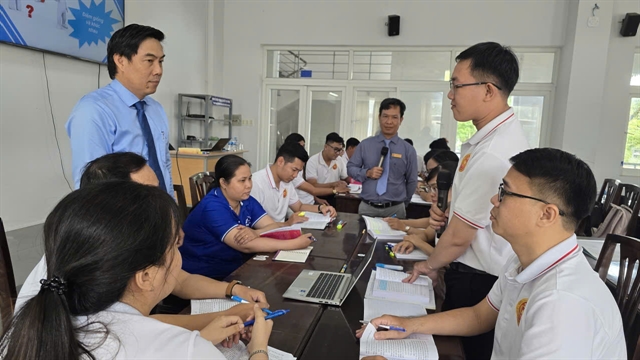
Provincial political schools
Provincial political schools train local officials in party doctrine and public administration. Dương Quốc Hoàng, deputy director of the Phạm Hùng Political School in Vĩnh Long, said: 'The biggest gap isn't in theory. It's in authority.' Commune officials now hold powers once assigned to districts, but the courses were built for the old system. Trainees understand the policy, then struggle with procedures, deadlines and legal responsibility.
Hoàng's school brings real cases into the classroom. In one, two families dispute a boundary along the old line between merged communes. Land records show different plot sizes because surveys took place at different times. Trainees must work out what the commune can do, how to mediate and how to explain the outcome. Other schools want libraries of local disputes so one commune's solution can guide another.
Hoàng would replace lectures that repeat available documents with real files, software, mediation and work with provincial specialists. Political theory would remain inside the cases. He also suggests comparing late applications and disputes settled by agreement before and after a course, and replacing part of the written exam with a plan to solve a current problem in each trainee's commune.
A well-designed course would become a cycle: identify where communes struggle, teach to that gap, send people back, see what changes and adjust. What matters is not how many courses an official has attended, but whether the person who enters the commune office leaves with the problem solved. For Hiền, that test begins every morning.
Sources: Viet Nam News

