
BEIJING, October 11. Vietnamese National Assembly Chairman Tran Thanh Man’s official visit to China and his co-chairing of the second session of the two legislatures’ Cooperation Committee will help realise the common perceptions of their Party leaders and complete a chain of high-level exchanges with important strategic value.
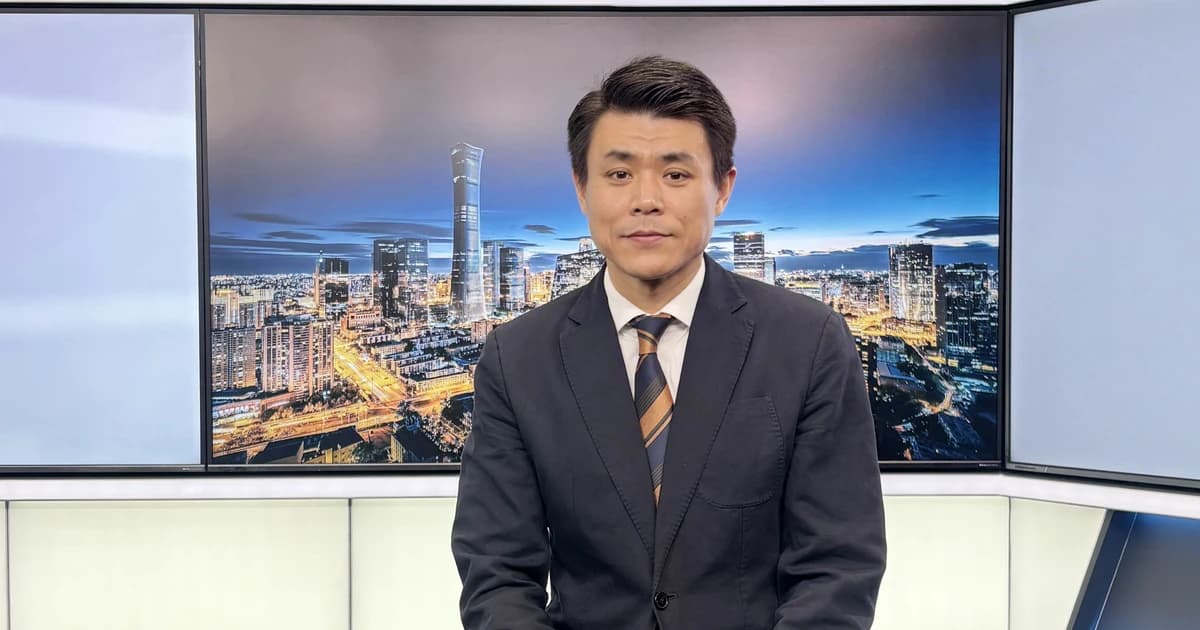
Journalist Wei Wei, a Vietnam studies expert and head of the Vietnamese language service of China Media Group, gave the assessment in a recent interview with Vietnam News Agency reporters in Beijing.
Wei said the visit, from October 11 to 15, will consolidate political trust between the two legislatures and open more channels to convey shared strategic understandings. Both countries are socialist states, so parliamentary exchanges complement top-level strategic contacts.
The session is intended to bring the two Party chiefs’ shared vision of a Vietnam-China Community with a shared future of strategic significance down to the parliamentary level. The two sides will share experience in state governance, democracy building and the rule of law. They will also reaffirm core political positions, including mutual respect, adherence to the one-China principle, and proper management and settlement of differences. The aim is to keep bilateral ties on a stable and correct course.
The visit will also give economic and trade ties, connectivity and emerging industries a firmer legal footing. Two-way trade remains above 250 billion USD, while industrial and supply chains are becoming more closely linked.
Lawmakers will focus on cross-border trade, customs clearance, the digital economy, new energy and agriculture. They intend to remove institutional obstacles and speed the implementation of cooperation agreements. The Cooperation Committee mechanism should also help improve laws on investment protection, border cooperation and intellectual property.
Wei said the visit will also widen and deepen people-to-people exchanges. The two sides will use the Cooperation Committee to promote regular contacts among local elected bodies, young people, media organisations and cultural institutions, while carrying forward their shared revolutionary heritage. This should improve mutual understanding, particularly among young people. Wei stressed the role of the legislatures in strengthening the popular foundation of bilateral friendship and rooting it more firmly among the people of both countries.
He said the outcomes of Chairman Man’s visit and the second session will give the comprehensive strategic cooperative partnership new momentum in institutional mechanisms, substantive cooperation and regional coordination. This, in turn, will advance the building of the Vietnam-China Community.
First, the two sides will strengthen regular cooperation mechanisms between their legislatures and complete the institutional framework of bilateral ties. The session will establish a regular, long-term dialogue between China’s National People’s Congress and Vietnam’s National Assembly. It will create a multi-tiered network linking senior leaders, governments, legislatures, the Chinese People’s Political Consultative Conference and the Vietnam Fatherland Front.
As a specialised forum, the Cooperation Committee could operate as a regular platform to discuss major bilateral issues and conduct oversight-level exchanges on border management, security and trade cooperation. This would create a full cycle from high-level shared understandings through legislative institutionalisation to local delivery.
Second, both sides will improve cooperation across fields to achieve shared development gains. Building on parliamentary dialogue, they will advance upgrades to border gates, cross-border logistics, agricultural trade and cooperation in manufacturing supply chains.
In emerging areas, including the “new-generation three new product groups” and the digital economy, the legislatures can speed up coordinated supportive policies, attract more two-way corporate investment and expand cooperation among border provinces, raising incomes in border areas. Legislative coordination will also help settle trade disputes and improve the business climate so that the gains from trade and investment benefit more people in both countries, Wei said.
Third, the two sides will strengthen regional multilateral coordination to maintain peace and stability. With the regional situation complex and unpredictable, the legislatures will align their positions and continue discussing regional issues within ASEAN and other frameworks. They will rely on dialogue and consultation to properly manage and settle differences.
The two sides will work to uphold ASEAN centrality, support each other in multilateral mechanisms, jointly advance the interests of developing countries, foster a peaceful, secure and supportive environment for development, and expand joint work on regional issues, Wei added.
VNA
Sources: VietnamPlus / Vietnam News Agency

