
After licensing procedures for tobacco trade were ended, authorities face the task of changing the control system so that businesses face lower compliance costs while market oversight and public health protection remain effective.
Government Resolution No. 19/2026/NQ-CP on reducing, delegating and simplifying administrative procedures and business conditions took effect on April 29, 2026.
The resolution ended requirements for licenses to distribute, wholesale and retail tobacco products. On May 2, 2026, the Ministry of Industry and Trade issued Decision No. 1040/QD-BCT announcing the end of those licenses. Local authorities later announced the removal of related requirements for retail tobacco licenses.
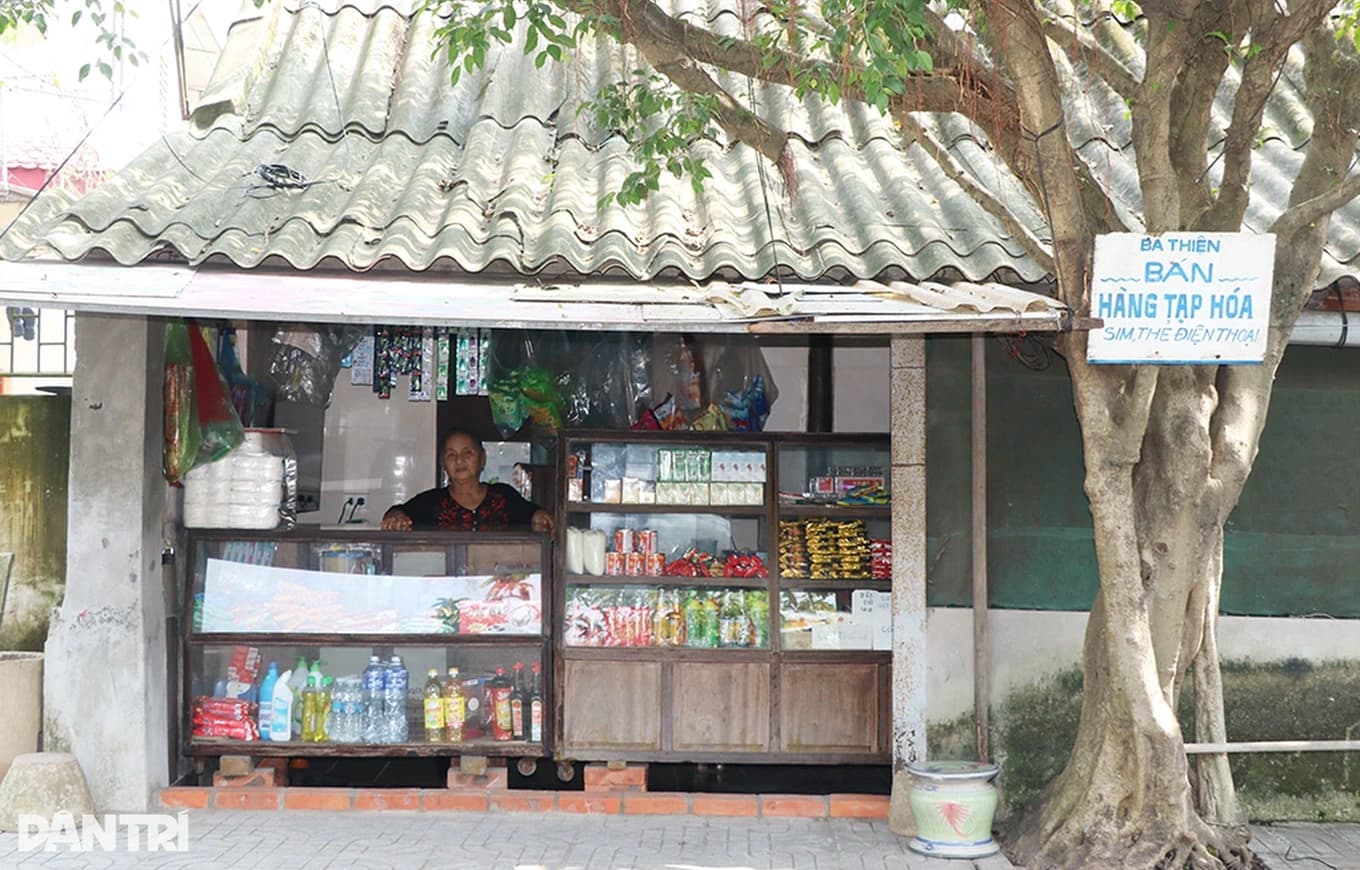
Organizations, individuals and household businesses selling traditional cigarettes at retail no longer need to apply for a retail tobacco license from a state authority. Local authorities have also stopped accepting and processing applications for new, renewed, amended or supplemented licenses.
On May 18, 2026, the government issued Resolution No. 66.18/2026/NQ-CP on delegating, reducing and simplifying administrative procedures and business conditions.
Ending licenses changes the control model
Tobacco remains a product subject to strict state regulation. Ending some licensing procedures therefore means choosing different management tools, not abandoning market control.
Previously, distributors, wholesalers and retailers had to complete the corresponding licensing procedures. Preparing documents, obtaining a new license or amending one required time, staff and money, especially for small household businesses.
Businesses can now devote more resources to trading and meeting other legal obligations. Production and imports of tobacco products remain governed by specialized legislation, including supply controls. During circulation, traders must continue to comply with rules on product origin, invoices and documents, tobacco-harm prevention and related obligations.
Ending a license does not end legal compliance responsibilities or the control tools already in use. The requirements for tobacco products must be distinguished from the way each participant in the distribution system is monitored.
Checking product origin, monitoring circulation and dealing with smuggled and counterfeit tobacco may improve market control. If business-registration databases, electronic invoices and traceability systems are connected appropriately, they may help authorities identify traders, compare transactions and detect unusual activity.
This approach shifts the focus from checking documents before a business starts operating to monitoring, inspection and enforcement during operations. Instead of spreading resources evenly across licensing procedures, authorities can focus on activities with a higher risk of violations.
The new approach will need to be judged by how effectively authorities detect, prevent and handle violations. Cutting procedures will meet its goal only if businesses face a real reduction in administrative burdens while authorities retain enough tools to control the market and protect public health.
New rules should continue the reform
Changing control at the distribution, wholesale and retail stages also requires later rules to remain consistent with the reform. If removed procedures are replaced by similar administrative obligations or difficult requirements, the reform's effect may be limited.
This issue should be considered while amending the Law on Prevention and Control of Tobacco Harms, particularly a proposal to ban the display of tobacco products at wholesale and retail outlets.
At the sixth session of the National Assembly Standing Committee on September 21, the draft law was considered and discussed. The vice chair of the National Assembly called for further work on the display ban so that the rules would be clear, feasible and suitable for inspection and enforcement.
From an enforcement perspective, the authorities need to define the covered businesses, scope and control methods precisely. A rule intended to limit the public's exposure to images of tobacco products should reflect the characteristics of different types of outlets and avoid obligations beyond the regulatory goal.
Rules that directly affect retail operations also need clear guidance that can be applied consistently. This will help businesses comply and give enforcement officers a clear basis for inspections and sanctions.
The reform principle should continue throughout the policy process: remove unnecessary procedures without reducing regulatory responsibility, and strengthen controls on harmful conduct without imposing disproportionate compliance costs.
Ending licenses for tobacco distribution, wholesale and retail sales has created a new approach to managing a tightly regulated product category. To preserve the result, future rules should be based on a full impact assessment, a clear scope and workable enforcement methods.
Public health protection should be measured by the real results of enforcement, not by the number of procedures or the strictness of the rules. Maintaining the reform while improving inspection and monitoring mechanisms could support tobacco-harm controls and provide businesses with stable, transparent legal conditions.
Sources: Dân Trí

