

For most of the year, the girl was home alone. Her parents worked long hours, and the 10-year-old found company in a smartphone. It became her only friend. By the time her family realised something was wrong, her speech had deteriorated, her gaze had become dull and she had lost touch with her friends.
Doctors at Children's Hospital 2 in Ho Chi Minh City say she is an example of a problem they are seeing more often. A growing number of children are being brought to psychological and psychiatric clinics, a trend physicians call alarming.
The city's Psychiatric Hospital now sees between 300 and 500 children a day in its child psychology and psychiatry department, compared with about 200 previously. Deputy director Chu Thi Dung says the increase is about one and a half times. Patients present with ADHD, developmental disorders, behavioural problems, depression, stress disorders, epilepsy and intellectual disabilities.
Dung says schoolwork, family expectations and modern life's strain affect children, while social media adds another factor. “A lot of children now are hooked on games, on their phones, on social media,” she says. “They sink into a virtual world and drift away from real life, and that leads to sleep problems, behavioural disorders, depression and anxiety.”
The city's three major children's hospitals have reported more young patients needing psychological care. Nguyen Thanh Sang of Children's Hospital 2 says many patients have problems associated with excessive phone use. One 14-year-old boy, identified as N., played games for at least five hours a day. When his family stopped him, he became destructive, attacked relatives and panicked.
Lasting impacts
Sang says adults are part of the problem. Many parents use phones as digital nannies. He notes that 56 per cent of parents are themselves regularly glued to their phones while spending time with their children. In many homes, devices are kept in children's bedrooms, leaving late-night use largely unchecked.
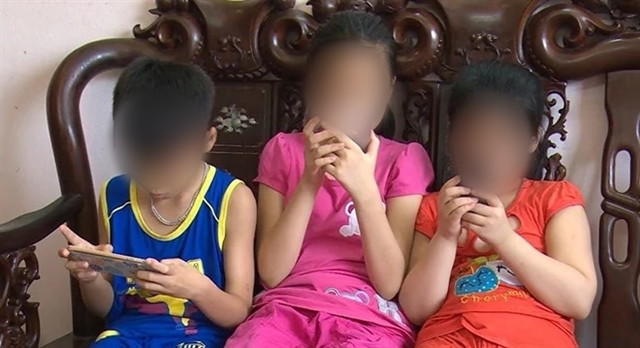
Doctors warn that dependence on televisions and smartphones can affect children's mental health and ability to learn. Children who spend much of the day in front of screens may interact less with others, sleep poorly, struggle to concentrate and fall behind at school.
The situation reflects a national picture. UNICEF in Vietnam lists ADHD, anxiety, depression and behavioural disorders among common psychological conditions among children and adolescents. Eating disorders, social isolation, post-pandemic stress and the effects of social media are also increasing.
Between 12 and 30 per cent of Vietnamese children and adolescents are estimated to experience mental health problems, but only a small fraction receive timely help. Low awareness, stigma and overstretched services leave many without treatment or counselling. Signs can be difficult to interpret because shyness, worry, changes in eating habits and a quick temper may also be part of growing up.
The effects of delay
A disorder identified late tends to be more severe and takes longer to treat, affecting a child's quality of life and relationships. Doctors call for closer attention, routine screening and training for parents, caregivers, teachers and school health staff.
Warning signs include fatigue, loss of appetite, low energy, reluctance to move, persistent low mood, unusual sensitivity, panic, agitation, angry outbursts, constant anxiety and sleep changes. A child may lose focus, become forgetful or struggle to express themselves. Some withdraw, while others harm themselves or use drugs and other substances.
“As soon as parents notice these signs, they should take their child to a specialist paediatric facility or a psychology clinic so the child can be assessed early and get help in time,” Sang says.
P. B. C. of Ho Chi Minh City did not immediately understand his four-year-old son's behaviour. The boy hit other children, could not sit still and was constantly running around. “I used to think he was just livelier and naughtier than other kids,” the father says. “But as time went on, I could see it was more than that, and I got very worried.” Doctors diagnosed ADHD. Treatment combines behavioural therapy with family support, much of which will take place at home.
Sources: Viet Nam News

